Trending
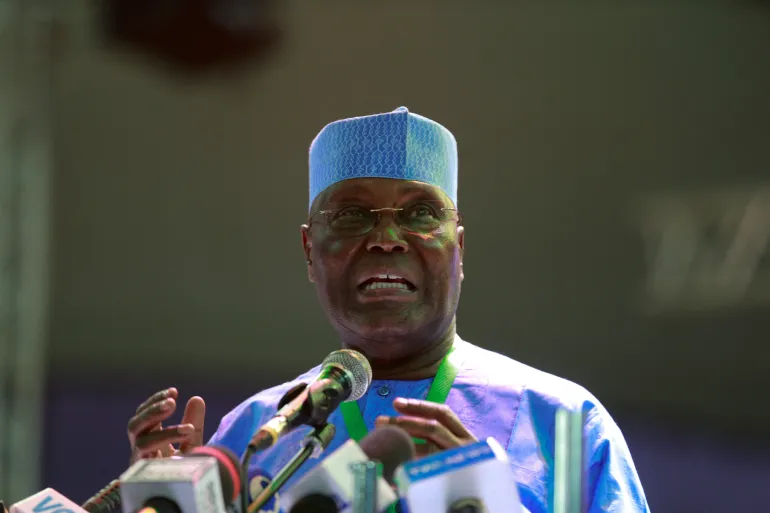
Former Vice President Atiku Abubakar has criticised President Bola Tinubu’s administration following reports that the Nigerian government is negotiating a new $1.25 billion loan from the World Bank.
In a statement released Sunday, May 17, through his media aide, Olusola Sanni, Atiku warned that the country is sinking deeper into an unsustainable debt trap without any visible benefits for its citizens.
He described the proposed loan as further evidence of the administration’s reckless and habitual dependence on borrowing, which stands in stark contrast to the worsening economic hardships, inflation, and food insecurity plaguing millions of Nigerians.
Read More : Appeal Court Upholds El-Rufai’s Bail Denial
Atiku questioned the rationale behind the Nigerian government’s continuous borrowing, especially since officials claim that major reforms like fuel subsidy removal and foreign exchange liberalisation have significantly boosted public revenues.
He pointed out the irony that Nigeria, which successfully exited the Paris Club debt trap in 2006 through the fiscal discipline of the Obasanjo-Atiku administration, is now being dragged back into debt dependency.
Labelling the current strategy as “economic vandalism,” Atiku accused the presidency of mistaking borrowing for governance and challenged international lenders, including the World Bank, to demand strict transparency and measurable outcomes before extending further credit.
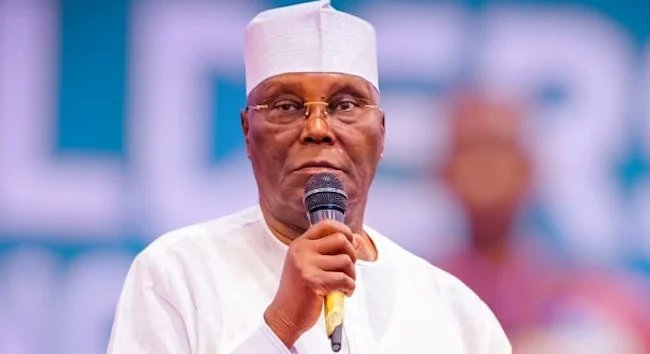
He also urged the Nigerian government to publish a detailed account of all loans acquired since May 2023.
Since taking office, the Tinubu administration has relied heavily on both domestic and external loans to finance budget deficits and support its economic reforms.
Read More : Lassa Fever Deaths Rise to 263 in Nigeria – NCDC
Data from the Debt Management Office indicates that Nigeria’s public debt stock has climbed sharply, exacerbated by the unification of the exchange rate, which increased the naira value of external debts.
While the Nigerian government has defended its strategy by arguing that these are concessional facilities aimed at infrastructure, power sector reforms, and social palliatives to prevent fiscal collapse, critics remain deeply concerned about long-term sustainability.
At the time of this report, neither the Presidency nor the Ministry of Finance had officially responded to Atiku’s critique.