Trending
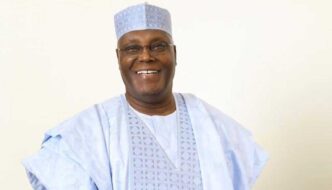
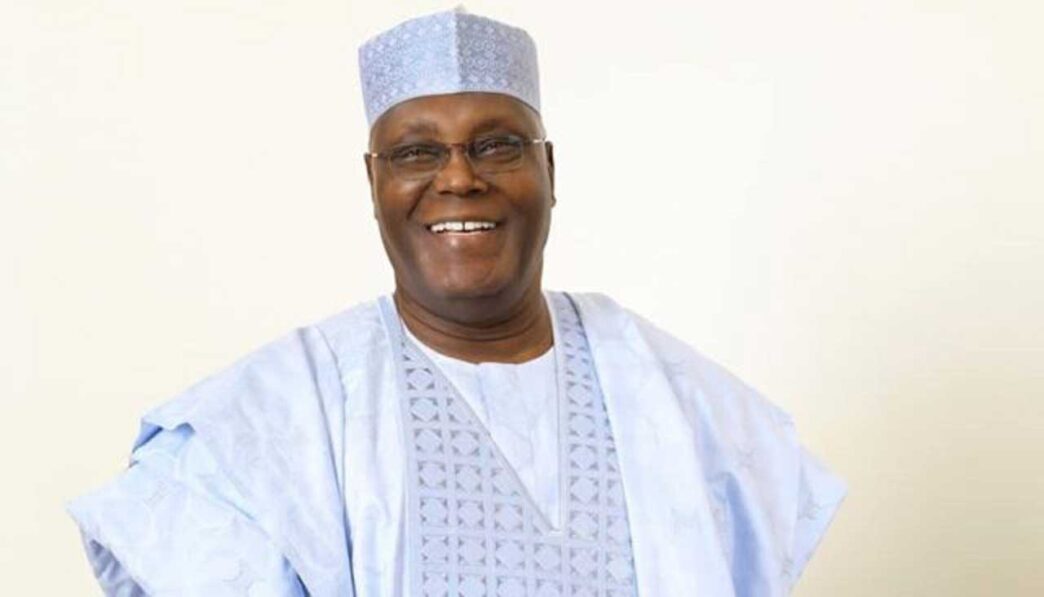
Former Vice President Atiku Abubakar has criticised the recent code of conduct advisory issued by the National Broadcasting Commission (NBC), warning that it poses a threat to media freedom in Nigeria.
In a post shared on X (formerly Twitter) on Saturday, Atiku described the directive as a “troubling attempt” to stifle free expression, particularly as the country moves closer to the 2027 general elections.
“The Code of Conduct advisory issued by the National Broadcasting Commission is yet another troubling attempt to muzzle the media and shrink the space for free expression in Nigeria,” the 2023 presidential candidate of the Peoples Democratic Party (PDP) wrote.
He argued that Nigeria’s media industry has earned global recognition for its resilience and professionalism, making the timing of the NBC directive concerning.
“It is therefore alarming that, each time elections approach, the NBC resorts to heavy-handed directives that do more to silence dissent than to uphold ethical journalism,” he added.
Atiku further stated that he stands with Nigeria’s broadcast industry and media organisations resisting what he described as “creeping censorship.”
He also questioned the intent behind the directive, suggesting that it reflects “a government more interested in controlling narratives than permitting a free, fair, and transparent electoral process.”
Meanwhile, Amnesty International also criticised the NBC notice, describing it as “unduly restrictive and invasive controls on the media and journalists.”
The rights group said the directive could pressure journalists into self-censorship.
In a statement dated April 17, the NBC said it had observed a rise in breaches of the Nigeria Broadcasting Code, particularly in news and political programming.
Read More : JAMB to Open UTME Centre in Canada
It warned broadcasters to ensure “accuracy, balance, and professionalism” ahead of the 2027 elections, stressing strict compliance with the rules.
The commission cited issues such as presenters expressing personal opinions as fact, denying fair hearing, and spreading hate speech or divisive content.
It added that violations would attract regulatory sanctions, describing compliance as “mandatory, not discretionary.”