Trending
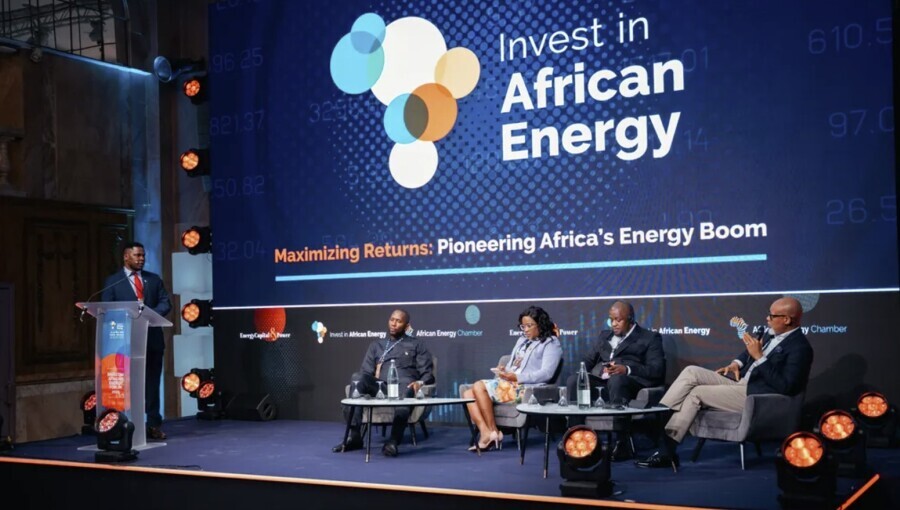
In Africa’s energy sector, the determining factor for project success is no longer resource availability but bankability. Projects are increasingly assessed not by geological promise alone, but by their ability to attract structured financing, with financiers and legal architects now occupying a central role in determining which developments move forward.
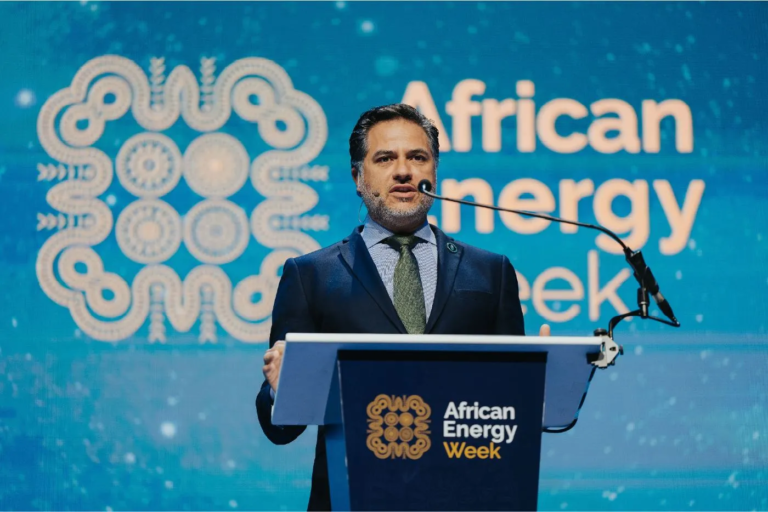
This structural shift will define discussions at African Energy Week (AEW) 2026, where senior investors, fund managers, and energy lawyers are expected to focus on a core challenge: converting energy projects into financeable, investment-ready opportunities.
Capital mobilisation remains the sector’s most persistent constraint. René Awambeng, Founder and Managing Partner of Premier Invest, is among the key voices addressing this challenge. Having mobilised over $10 billion for African energy projects and previously served as Global Head of Client Relations at Afreximbank, Awambeng has built a career around structuring financing mechanisms that connect African assets with global investors. At AEW 2026, he is expected to highlight ongoing efforts to channel capital from Gulf-based and international partners into African energy developments.
Read More : Africa Targets Cheaper Cross-Border Flights
Blended finance instruments are also expanding the funding landscape for transition projects. The SA-H2 Fund, a $750 million facility managed by Climate Fund Managers in partnership with Invest International, is developing green hydrogen and e-fuels pipelines across Southern Africa.
In May 2026, the fund backed South Africa’s first wastewater-to-green-methanol project in Gauteng, following earlier commitments to the Hive Hydrogen Coega green ammonia initiative. CEO Mphokolo Makara will present the fund’s expanding portfolio at AEW 2026.
“Capital does not flow to potential, it flows to bankable structures. When financiers and lawyers who understand African markets design the deals, projects reach final investment decisions faster and on better terms,” said NJ Ayuk, Executive Chairman of the African Energy Chamber.
Legal structuring is also becoming a decisive factor. Tominiyi Owolabi, Managing Partner of Olaniwun Ajayi LP, has advised on major transactions including the $3 billion hybrid financing for Nigeria LNG’s Train 7 project, reflecting the growing influence of African legal expertise in complex energy deals.
International firms are deepening their involvement as well. Deji Adegoke of White & Case continues to advise lenders and development finance institutions across oil, gas, and power transactions, including Renaissance Africa Energy’s acquisition of Shell’s onshore Nigerian assets.
Meanwhile, John Ngunjiri of Norton Rose Fulbright brings nearly two decades of infrastructure experience, including work with ExxonMobil, with a focus on aligning African deals with global financing standards.
AEW 2026, scheduled for October 12–16 in Cape Town, will bring these stakeholders together to translate discussions on bankability into actionable financing structures that shape Africa’s next energy investment cycle.