Trending

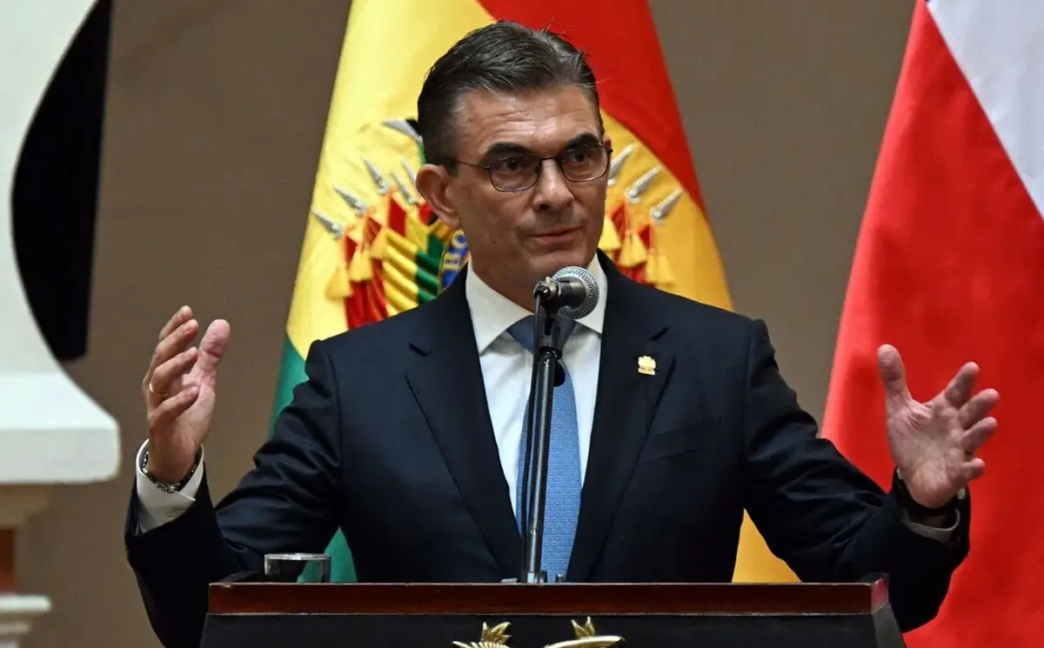
Bolivian President Rodrigo Paz has declared a state of emergency to mobilise resources and strengthen the country’s response to the effects of the El Niño weather phenomenon.
The decree, announced on Saturday, provides for the deployment of additional rescue teams to areas worst affected by flooding and drought, which have hit parts of the country.
In a televised address, Paz warned that El Niño could bring severe weather conditions and called on government institutions to coordinate their response.
Read More : Bulgaria Votes in Tense Presidential Runoff
“This will be a phenomenon that will have very severe impacts in terms of drought and floods, and we need the cooperation of all institutions,” Paz said.
A government report released this week said drought had affected 78,000 families across six of Bolivia’s nine departments and resulted in the loss of more than 75,000 cattle.
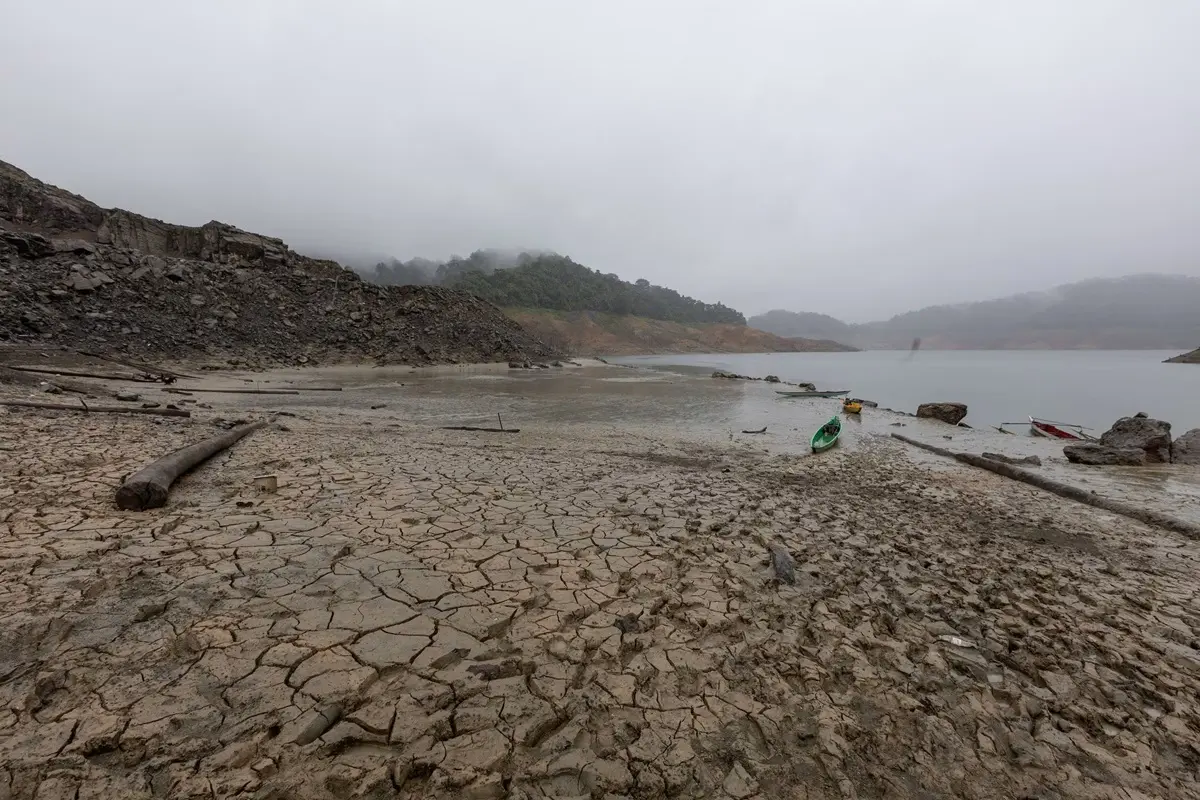
El Niño is a climate phenomenon characterised by unusually warm surface waters in the central and eastern equatorial Pacific Ocean. It can disrupt global wind and rainfall patterns, increasing the risk of droughts, floods and other extreme weather events in different regions.
Read More : VIDEO: Sanwo-Olu Walks Lagos Fashion Week Runway
The United Nations warned this week that the current El Niño could reach unprecedented strength, raising concerns about severe weather impacts across Latin America, eastern and southern Africa, Asia and the Pacific.
Neighbouring countries are also reporting weather-related damage. In Peru, rising temperatures have contributed to wildfires that have killed at least 12 people.
Chile, meanwhile, recorded its wettest October on record in the capital, Santiago.