Trending

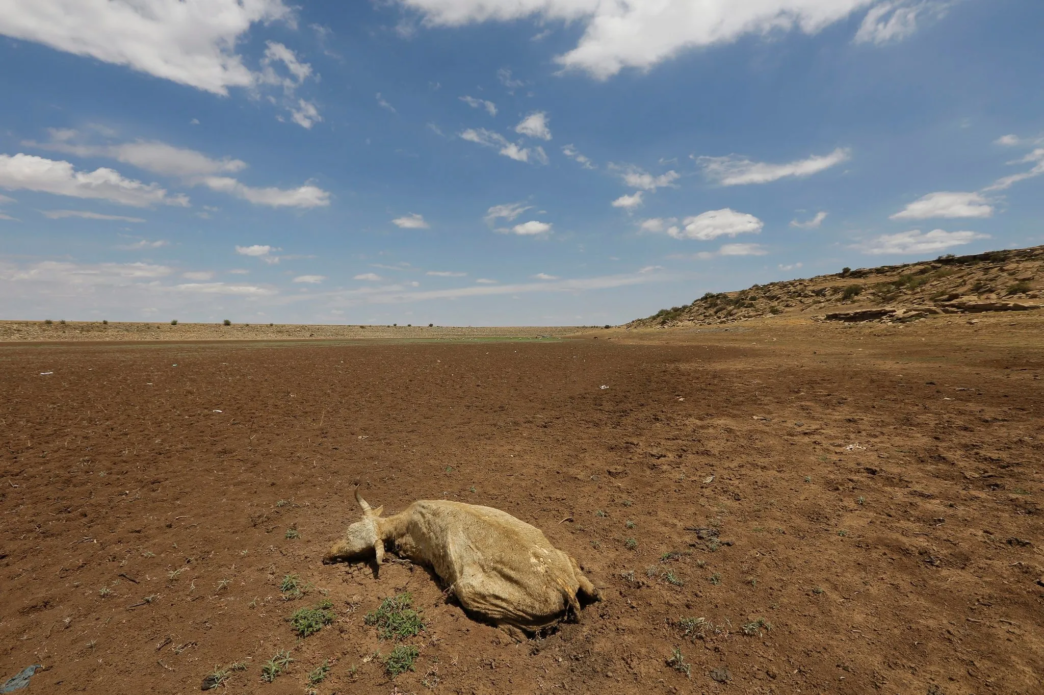
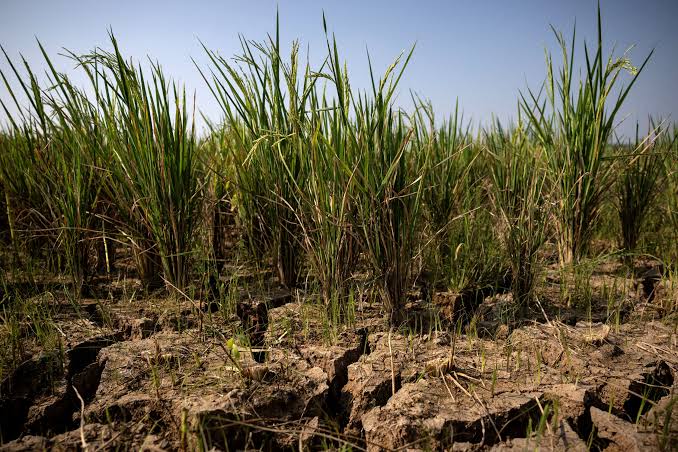
An El Niño-driven drought is scorching crops and decimating livestock across Sudan, compounding three years of devastating civil war and threatening to push millions more into severe famine.
Rainfall between July and September dropped to its lowest level in over three decades across key agricultural regions, mirroring conditions from the 1984 famine.
United Nations officials and local farmers report that parched soil and extreme heat have destroyed vital harvests in rain-fed regions like Darfur, Kordofan, and Gedaref.
Read More : No Military Solution to Sudan War – UN
The United Nations World Food Programme (WFP) forecasts that drought conditions will push an additional 350,000 people into severe hunger by the end of 2026, with that number rising to 1.2 million by August 2027.
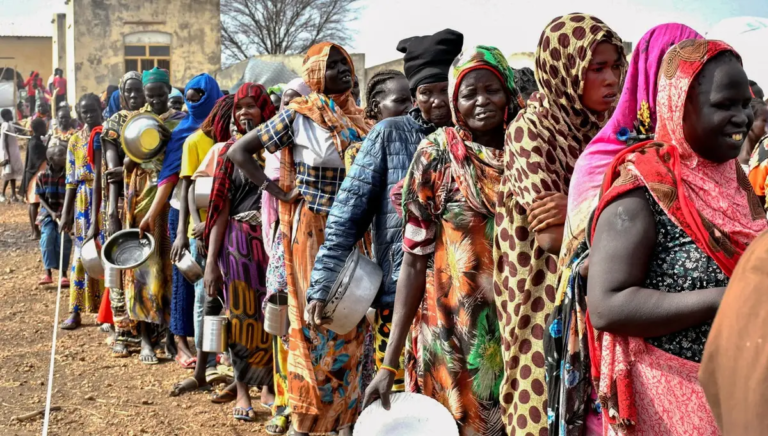
Despite the deepening crisis, the WFP faces acute funding shortages, forcing aid workers to halve food rations in displaced persons camps such as Tawila in Darfur.
“It’s no longer just about bullets,” stated Adam Rojal, spokesman for the General Coordination of IDPs and Refugee Camps in Sudan, noting that extreme hunger now serves as the primary driver displacing families from their homes.
Read More : Sudan Drone Strikes Kill Over 100
While local agriculture ministers downplay the food supply threat, large-scale producers expect yields to drop to a quarter of last year’s output as temperatures soar up to 9 degrees above historical averages.
Experts like famine researcher Alex De Waal warn that current conditions are significantly worse than the 1980s famine due to ongoing military blockades and shrinking international aid budgets.
Summing up the mounting desperation, Um Ruwaba farmer Sirajaldin al-Tahir noted, “This year, 2026, we don’t know how it will end.”