Trending
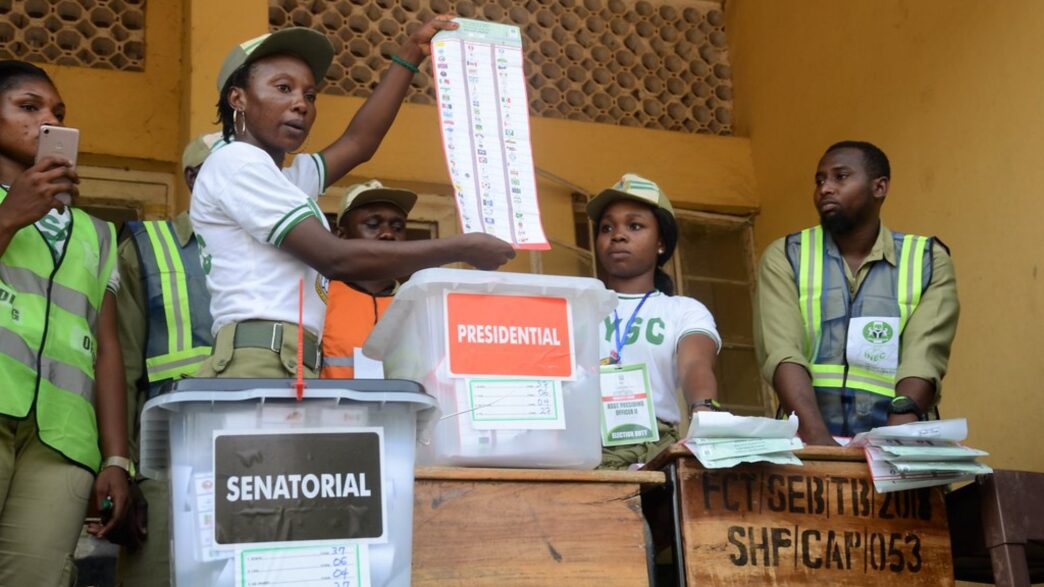
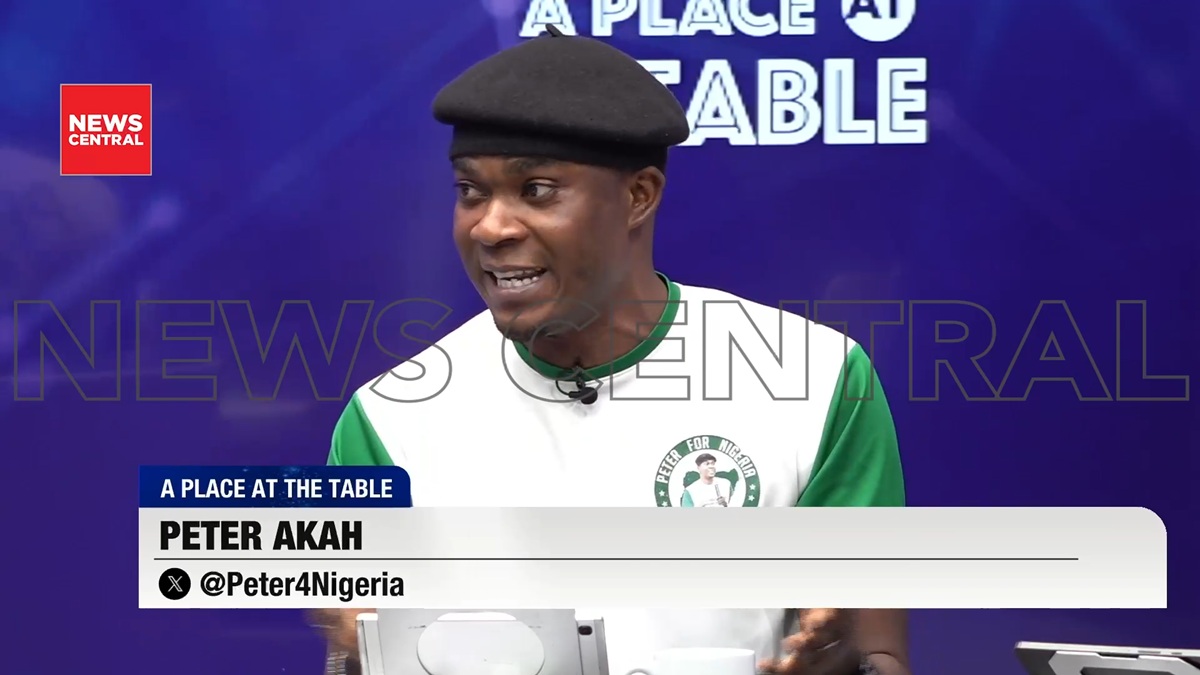
An advocate for a new Nigeria, Peter Akah, has criticised Nigeria’s electoral process, arguing that elections have become overly dependent on judicial outcomes and influenced by political actors rather than the will of the people.
Speaking during an interview on News Central TV’s programme, A Place At The Table, Akah likened the country’s electoral system to a scripted film production, alleging that key institutions play predetermined roles in deciding electoral outcomes.
“Elections in Nigeria today…It is written and produced by the executive and legislative arms of government, directed and implemented by INEC and then distributed by the judiciary.”@Peter4Nigeria has raised concerns about Nigeria’s leadership recruitment process, saying… pic.twitter.com/pjqwTGDgqk
Read More : Thales to Build Nigeria’s New Telecom Satellite
— News Central TV (@NewsCentralTV) June 25, 2026
“Elections in Nigeria today and our electoral process have become like a Nollywood movie production,” he said.
According to him, the process is “written and produced by the executive and legislative arms of government, directed and implemented by INEC and then distributed by the judiciary.”
Akah argued that despite the huge financial and human investments made during elections, the ultimate decision on leadership often rests with the courts.
“So everybody will go through the process, spend billions of Naira and then you wait for the judiciary to tell you who is actually your leader,” he said.
Describing the trend as a growing problem for democratic governance, he added: “That is the judicialization of our democracy, and then the victims become all of us, the people.”
He further contended that the consequences of weak democratic institutions extend beyond elections, affecting governance and public welfare.
“So we have continued to pay with our lives,” he said, citing insecurity and what he described as government inaction. He pointed to ongoing challenges in parts of the country, saying citizens often bear the cost when authorities fail to respond adequately to pressing concerns.
Akah also questioned Nigeria’s leadership recruitment process, arguing that political influence often outweighs competence and public choice.
“When you talk about ‘Baba Sope’, it goes to the heart of what we say: how do we get leadership? What is your leadership recruitment process?” he asked.
Drawing a comparison with professional hiring practices, he said, “A place like News Central, I’m not sure the HR department will get a carpenter where they needed an editor.”
According to him, the political system allows a few influential individuals to determine who emerges in leadership positions.
“In Nigeria, we can afford to allow one person to sit somewhere and say, because he has some influence, that whatever happens is what will happen,” he said.
Referring to internal party politics, Akah recalled an incident during the APC primaries in Lagos where an aspirant reportedly stepped aside after being instructed by a political benefactor.
“That is why even during the APC primaries in Lagos, you saw somebody, one house of assembly member, oh he is my Baba, now they say that I should not go again,” he stated.
He questioned the extent to which ordinary citizens influence political outcomes, asking: “What exactly now is the stand of the people? At what point do the people insert themselves in the equation?”
Akah also challenged the representativeness of elected officials, arguing that internal party dynamics often play a greater role in determining leadership than broad public participation.
“If you ask President Bola Tinubu, are you truly representing a majority of Nigerians as president?” he said.
He similarly questioned the political trajectory of the Senate President, asking: “Did you contest to be a senator or you contested the APC primaries to become a president? How did you end up not just being in the Senate, but the head of that Senate?”
Read More : Otti Urges Igbo Traders to Embrace Manufacturing
Akah maintained that meaningful democratic reform would require returning political power to citizens and reducing the influence of entrenched political interests.
“So these are the issues. Until we are able to separate ourselves and return power absolutely back to the people, you will have a class of politicians who are not beholden to anybody,” he said.
According to him, “the confidence of every corrupt political class is a rigged electoral system.”