Trending
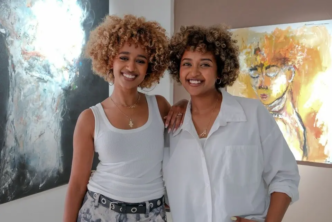
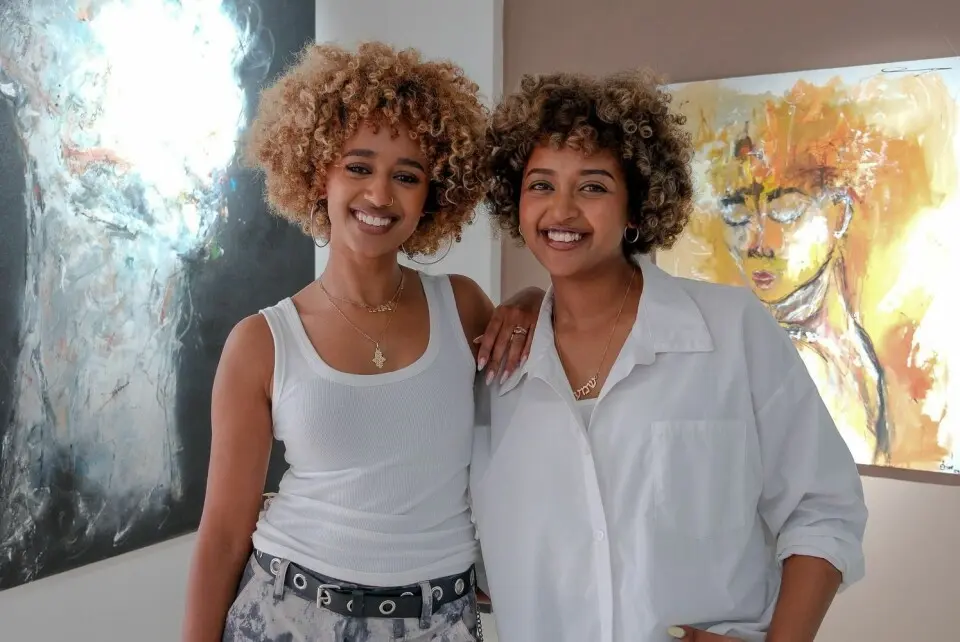
Two Ethiopian artists have transformed a shared studio in Addis Ababa into a gallery and residency programme helping emerging female artists develop their careers.
Photographer Nafkot Gebeyehu and painter Zion Yaynu founded Studio 11 in 2022 after renting a small workspace in the capital’s Bole district to pursue their own creative work.
The idea was initially simple: have a place where they could paint, take photographs and develop their projects.
Read More : Surging Ebola Outbreak Overwhelms Congo
But friends who visited the studio encouraged them to host exhibitions, gradually turning the space into a platform for other artists.
“We didn’t know anything about curating shows. We were just artists,” Nafkot said.
As more artists approached them, the pair noticed a wider problem: many young artists, particularly women, lacked affordable spaces to exhibit their work, build networks and receive professional support.
“It wasn’t just about having a space; people also needed guidance, training and connections,” Zion said.
Studio 11 has since exhibited the work of 15 women artists and recently launched an artist residency programme offering studio space, mentorship and professional advice.
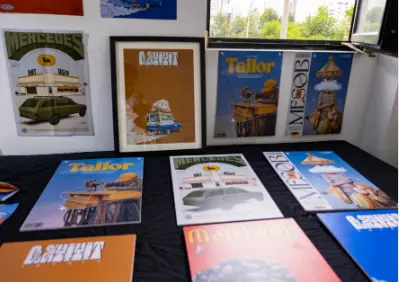
The programme’s first resident, 27-year-old Ruth Getachew, is preparing for her first solo exhibition while receiving regular guidance from the founders.
“Most of the time, the biggest challenge for artists my age is space; especially for female artists,” Ruth said.
She said the programme offers support while artists are still developing their work, rather than only after it is completed.
“An exhibition happens after the work is already finished, but assisting artists while the work is still in progress and being created makes it even more supportive,” Ruth added.
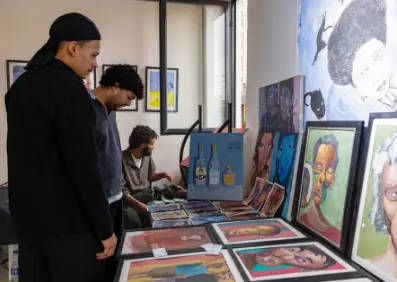
Curator and Addis Ababa University lecturer Mifta Zeleke said women have played an important role in Ethiopia’s contemporary art scene but still face challenges in gaining visibility.
She called for stronger connections between Ethiopian artists, galleries, critics, exhibitions and international art markets.
According to the United Nations Educational, Scientific and Cultural Organisation (UNESCO), the global cultural and creative industries employ about 50 million people, with women making up nearly half of the workforce.
For Studio 11’s founders, however, building a sustainable creative business has not been easy.
They have had to learn how to organise exhibitions, manage finances, cover operating costs and fairly compensate artists.
“That was the biggest challenge; it still remains one of the biggest challenges we have,” Nafkot said.
She admitted that uncertainty remains a daily concern.
“I question whether we will succeed or not every day. We worry if we’re a sustainable business,” she said.
Despite the challenges, the founders hope to expand Studio 11 into a larger creative hub where artists can collaborate, meet audiences and build sustainable careers.
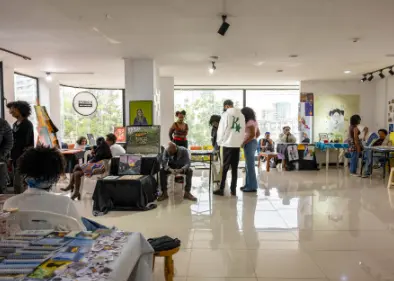
Visual artist Afomia Admasu, who has exhibited at Studio 11 twice, described it as more than a gallery.
“I think Studio 11 is more than a gallery. I think it’s a community,” she said, describing the space as inclusive and empowering.
For Ruth, the impact goes beyond having somewhere to create.
“When they see us, I think they will feel more hopeful,” she said.
Studio 11 is now seeking to fill a gap in Addis Ababa’s art scene by giving emerging artists, especially women, a place to create, exhibit, learn and build professional careers.
Credit: Solan Kolli, Bird Story Agency.