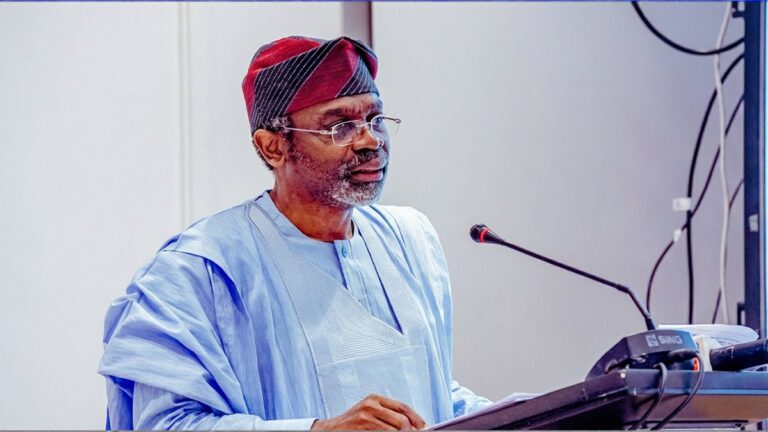
Human rights lawyer, Femi Falana, has urged political leaders to stop politicising the abduction of pupils and teachers in Oyo State and instead focus on supporting efforts to rescue the victims and tackle the country’s worsening security challenges.
Falana made the appeal on Friday during an appearance on Channels Television’s Politics Today, where he criticised attempts by some political figures to link the incident to political opponents without presenting any evidence.
According to him, certain public office holders and politicians have made statements that could inflame tensions and distract from the urgent task of securing the release of the abducted victims.
He said, “A minister and a former governor are currently inciting people in Oyo State by politicising the tragedy of our people.”
Questioning the basis of such allegations, Falana argued that anyone with credible information about those responsible for the abduction should report it to security agencies rather than make public accusations.
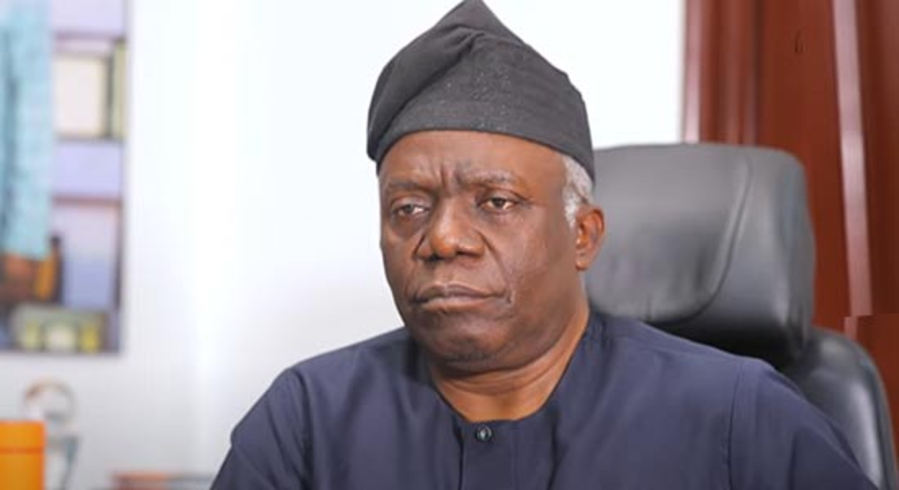
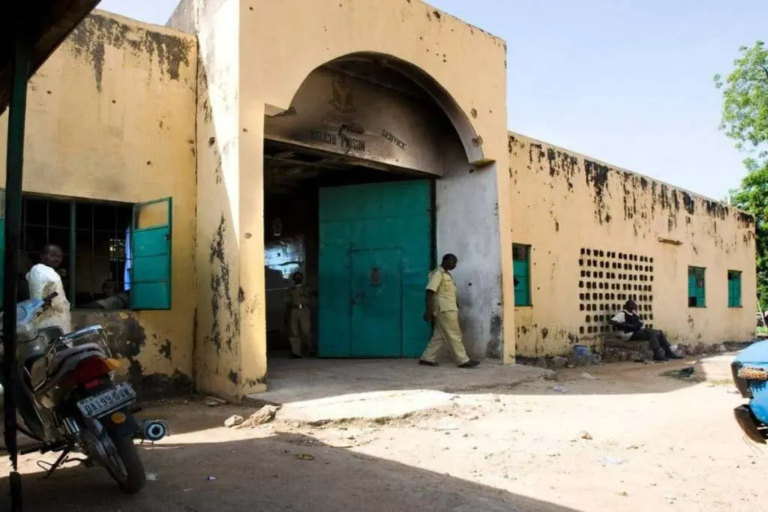
Falana Warns Against Politicising Oyo School Abductions Credit: NewsCentral TV
“How can anybody in their right sense say, ‘I know it was a state government that kidnapped the children’? Please, if you know this, go to the police, go to the State Security Service and lodge a complaint,” he said.
The senior lawyer noted that the parents of the abducted children were listening to such statements and deserved responsible conduct from public figures.
“Somebody says, ‘I know the politicians who are responsible.’ Why have you not reported them? Because the parents of those children who were kidnapped are listening to these statements,” he added.
Falana also called on President Bola Ahmed Tinubu to strengthen the country’s security architecture by providing adequate equipment and motivation for security personnel.
“Equip the armed forces, motivate the armed forces, equip the police force, and motivate the operatives working in the security sector,” he said.
His comments come amid growing public concern over a series of mass kidnappings across the country. On May 15, gunmen abducted 39 pupils and seven teachers from schools in Oyo State, while another 42 pupils were reportedly kidnapped in Borno State on the same day. Weeks after the incidents, the victims remain in captivity.
The attacks have triggered public outrage, protests by teachers’ unions and intensified efforts by federal and state authorities to secure the victims’ release.
Addressing ongoing debates over the establishment of state police, Falana expressed reservations about the proposal, insisting that existing security structures should first be strengthened before creating new ones.
According to him, Nigeria does not suffer from a lack of security agencies but from inadequate support and coordination.
“These guys are only interested in creating agencies without funding them to work. We do not have a federal government police; we have a federal police. That is why it is called the Nigeria Police Force,” he stated.
Falana argued that the Nigerian Police Council, which constitutionally includes all 36 state governors and is responsible for overseeing the police, has not effectively performed its duties since 1999.
“The governors since 1999 have always abdicated their constitutional duty to the president. So the President alone administers, supervises and organises the Nigeria Police Force, contrary to the provisions of the Constitution,” he said.
He further noted that several states already operate local security outfits, including the Amotekun Corps, the Lagos Neighbourhood Safety Corps and the Civilian Joint Task Force.
“We already have state police. What is missing is proper support, coordination and access to equipment,” he argued.
Falana also questioned how a formal state police system would be funded, pointing out that many local security personnel currently lack the weapons and resources needed to confront heavily armed criminals.
“How can you ask security personnel to go to the forest and confront criminals armed with AK-47 rifles? The Amotekun operatives and others are only allowed to carry locally made weapons,” he said.
Toyibat is a highly motivated Mass Communication major and results-oriented professional with a robust foundation in media, education, and communication. Leveraging years of hands-on experience in journalism, she has honed her ability to craft compelling narratives, conduct thorough research, and deliver accurate and engaging content that resonates with diverse audiences.
Weekly roundups. Sharp analysis. Zero noise. The NewsCentral TV Newsletter delivers the headlines that matter—straight to your inbox, keeping you updated regularly.
 Trending