Trending
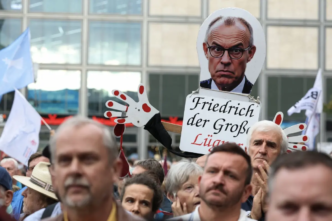
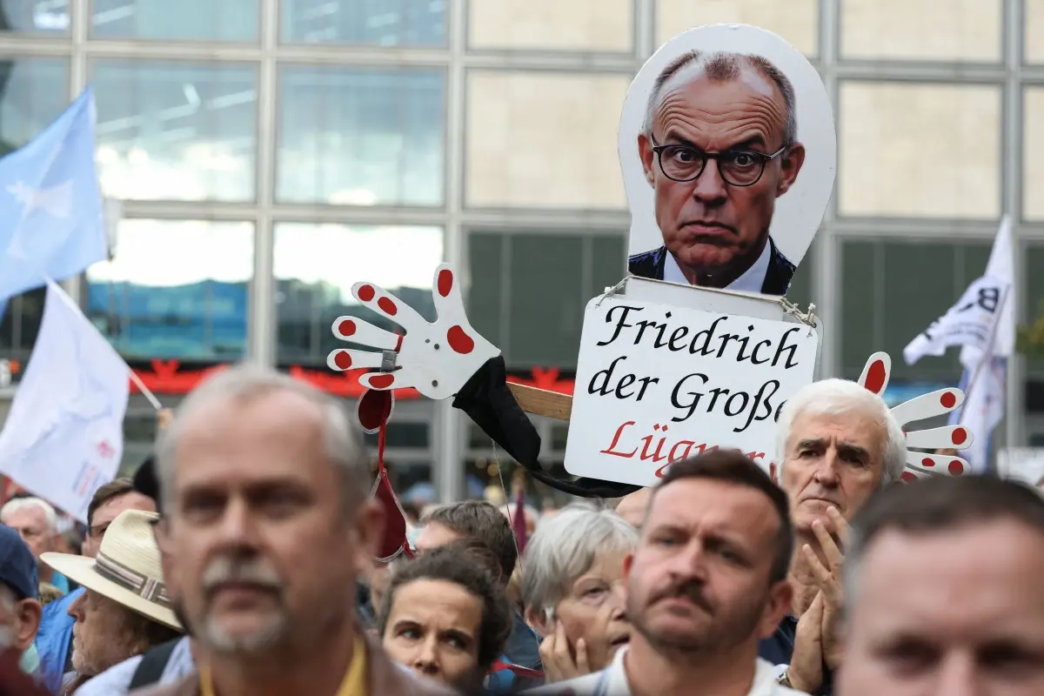
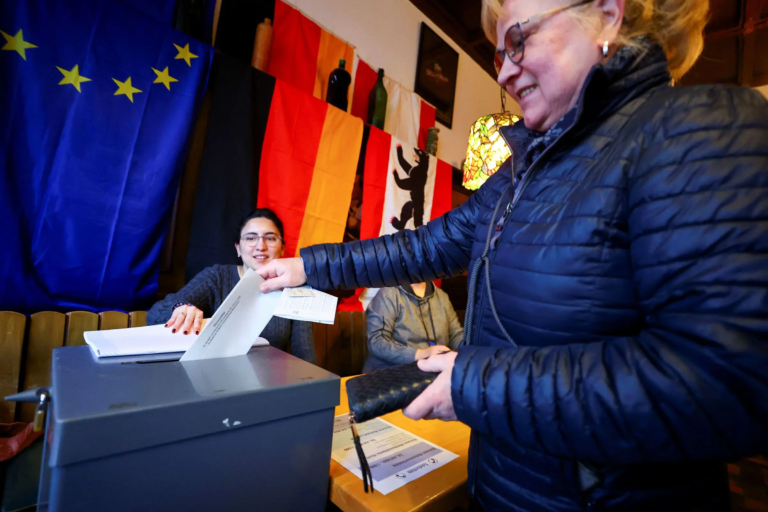
Germans have begun voting in two state elections that could shape the political future of Chancellor Friedrich Merz, with strong performances by the far-right Alternative for Germany (AfD) and far-left Die Linke expected to increase pressure on his government.
Polling stations opened at 8:00 am local time on Sunday in Berlin and Mecklenburg-Western Pomerania, with voting scheduled to close at 6:00 pm. Merz has cleared his schedule to respond to the outcome, including cancelling a planned trip to the United Nations General Assembly.
The 70-year-old chancellor has called a crisis meeting of his centre-right Christian Democratic Union (CDU) leadership to discuss the initial results as they emerge.
Read More : World Leaders Meet at UN As Global Wars Rage
The elections come two weeks after the AfD delivered a major setback to the CDU in Saxony-Anhalt, where the party came close to securing an outright majority. The result has fuelled questions about internal confidence in Merz as he faces declining approval ratings and difficulties advancing economic and welfare reforms with his coalition partners, the centre-left Social Democratic Party (SPD).
In Berlin, the CDU is facing a close contest with Die Linke, which has gained support among younger voters with promises to address the city’s housing problems. Voter Moritz Lembke-Oezer said he feared the election could benefit the AfD but hoped the CDU would lose support.
“Maybe then Friedrich Merz will be gone,” the 43-year-old said, explaining that he planned to vote for Die Linke because of its housing policies.
In Mecklenburg-Western Pomerania, the main contest is between the SPD and AfD, while the CDU risks failing to cross the five-per cent threshold required to remain in the state parliament. Polling figures from public broadcaster ZDF showed the AfD and SPD running closely, with the CDU significantly behind.
A poor result for the CDU in either state could intensify scrutiny of Merz’s leadership. However, eight CDU state premiers recently backed the need for political stability, saying Germany needs “stability now more than ever” rather than internal debates over leadership.
Merz’s challenges have grown since taking office 16 months ago. He entered government promising economic recovery, stronger defence capabilities and tighter controls on irregular migration, but rising living costs and international pressures have affected public confidence.
Pollster Roland Abold of Infratest Dimap described Merz’s position as difficult, saying, “In personal terms, the situation is quite dramatic” after his research showed only 13 per cent of respondents were satisfied with his performance, the lowest level recorded for an incumbent chancellor by the institute.
Read More : Drone Barrage on Moscow Kills Two
Analysts have linked Germany’s economic pressures to global factors, including higher energy costs from international conflicts, security concerns linked to Russia, competition from China, and tensions in Europe’s relationship with the United States.
Economist Holger Schmieding said Merz was facing multiple difficulties but argued the chancellor could still remain in office until the end of his term in 2029.
The results of the state elections will provide an early measure of voter sentiment toward Merz’s government and the growing influence of opposition parties across Germany.