Trending
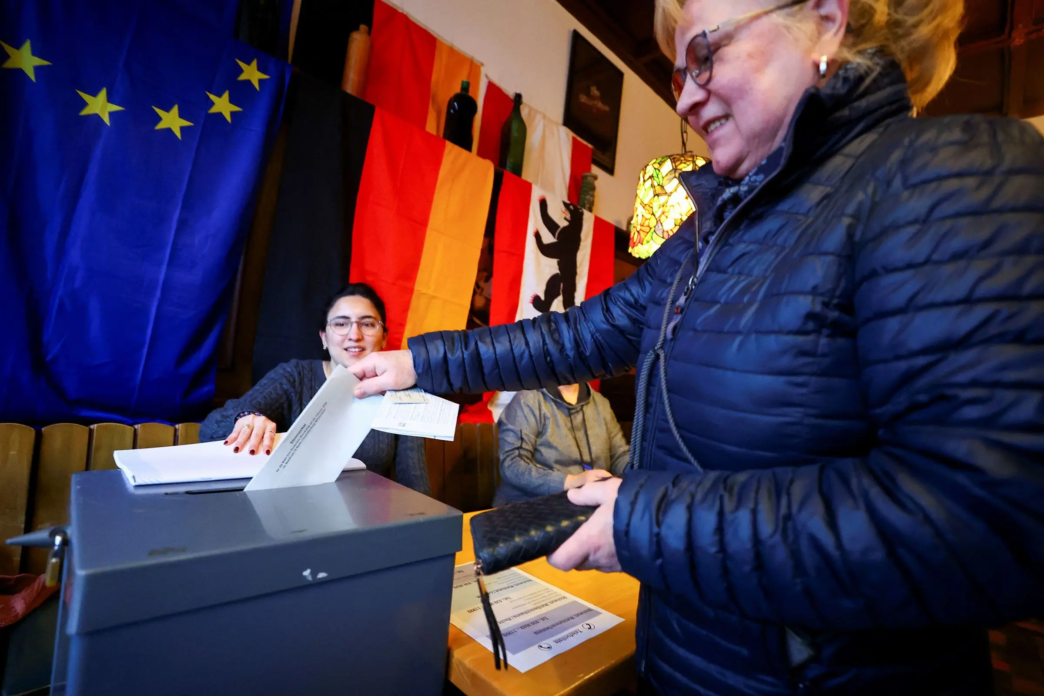
German voters have prepared to head to the polls on Sunday in two state elections that could increase pressure on Chancellor Friedrich Merz.
The votes will take place in Berlin and Mecklenburg-Western Pomerania.
Merz has scheduled a crisis meeting with the leadership of his centre-right CDU party to discuss the first results.
He has also cleared his schedule for the days after the vote.
In addition, Merz has cancelled plans to attend the United Nations (UN) General Assembly.
The moves come after the far-right Alternative for Germany (AfD) defeated the CDU in Saxony-Anhalt on September 6.
The result has raised questions about support for Merz within his own party.
Opinion polls suggest the AfD is expected to make further gains in Sunday’s elections.
However, the party is not expected to take power in either state.
In Saxony-Anhalt, the AfD came within a few seats of securing an outright majority.
Merz has also faced falling approval ratings and difficulties pushing through economic and welfare reforms with his centre-left coalition partner, the SPD.
Eight CDU state premiers backed the chancellor on Wednesday.
They said Germany needed “stability now more than ever” instead of “discussions about personnel”.
However, they stopped short of directly endorsing Merz.
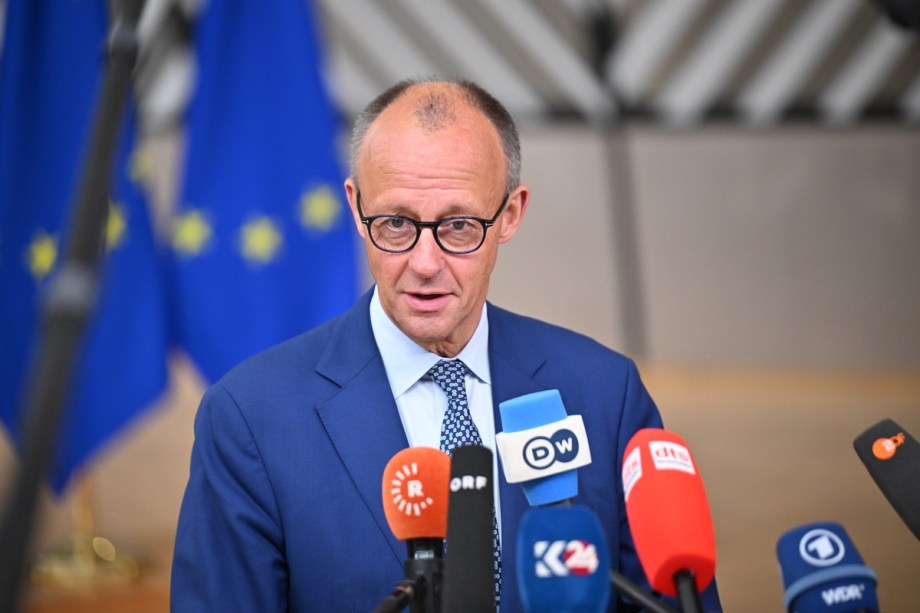
Merz’s political problems have also been linked to international crises.
The wars in Ukraine and the Middle East have pushed up energy prices and increased the cost of living.
Concerns about Russia have also driven Germany’s major military spending plans.
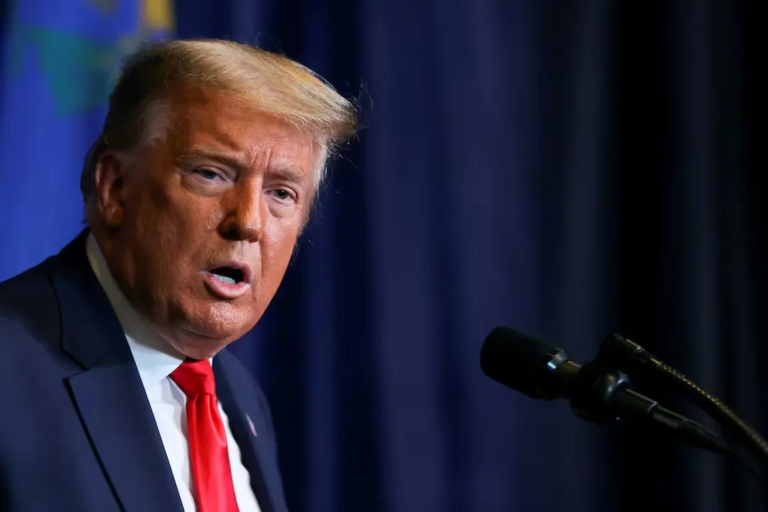
The effort has accelerated under pressure from US President Donald Trump over European NATO spending.
Meanwhile, China’s growing industrial strength has increased competition for German exporters.
Berenberg chief economist Holger Schmieding said the AfD challenge, rising petrol prices and debate over Merz’s future were adding to his problems.
He said Trump and Russian President Vladimir Putin had helped trigger crises that pushed oil and gas prices sharply higher.
However, Schmieding said voters were more likely to blame Merz’s governing coalition for rising costs than the AfD’s allies.
Pollster Roland Abold of Infratest Dimap said Merz’s political situation was “quite dramatic”.
Read More : US Strike Kills Four In Caribbean Drug Crackdown
He said only 13 percent of respondents were satisfied with Merz’s performance in the institute’s September survey.
“These are the lowest figures we have ever recorded for an incumbent chancellor,” Abold told AFP.
Despite the pressure, Schmieding said Merz was more likely than not to remain chancellor until the end of his term in 2029.