Trending
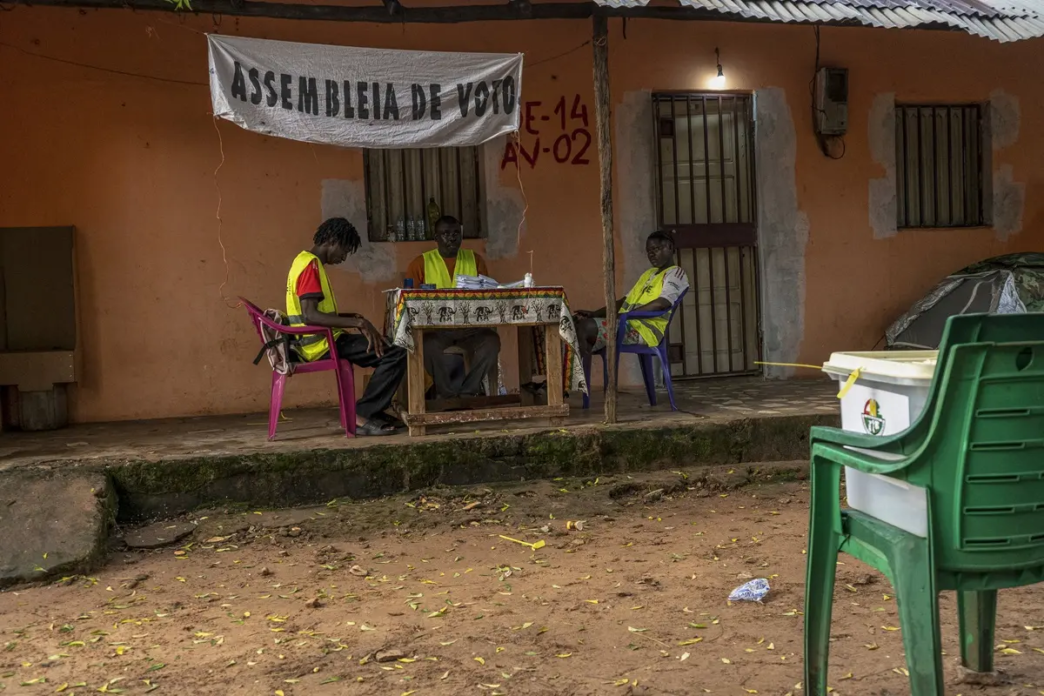
Voters in Guinea-Bissau, a country under military rule, cast ballots on Sunday in a referendum that could grant the president additional power in advance of a general election intended to reinstate civilian rule later this year.
AFP correspondents reported that following a significant early morning downpour, voting got off to a slow start in some neighbourhoods when polls opened at 0700 GMT.
Security was stepped up at strategic points in the capital, with members of the national guard and the police stationed at key locations.
Read More : Uyo Police Nab Two Suspects, Seize Drugs
Voting closes at 1700 GMT, with the first provisional results due from Tuesday.
The referendum comes less than 10 months after a coup in which the military seized power in the impoverished, Portuguese-speaking West African country.
The junta says the change seeks to stabilise institutions before new presidential and parliamentary elections designed to hand power back to civilians scheduled for December 6.
But the political climate is tense in the coup-prone coastal nation, where the opposition has urged voters to boycott the referendum “in a context of restrictions on public freedoms”.
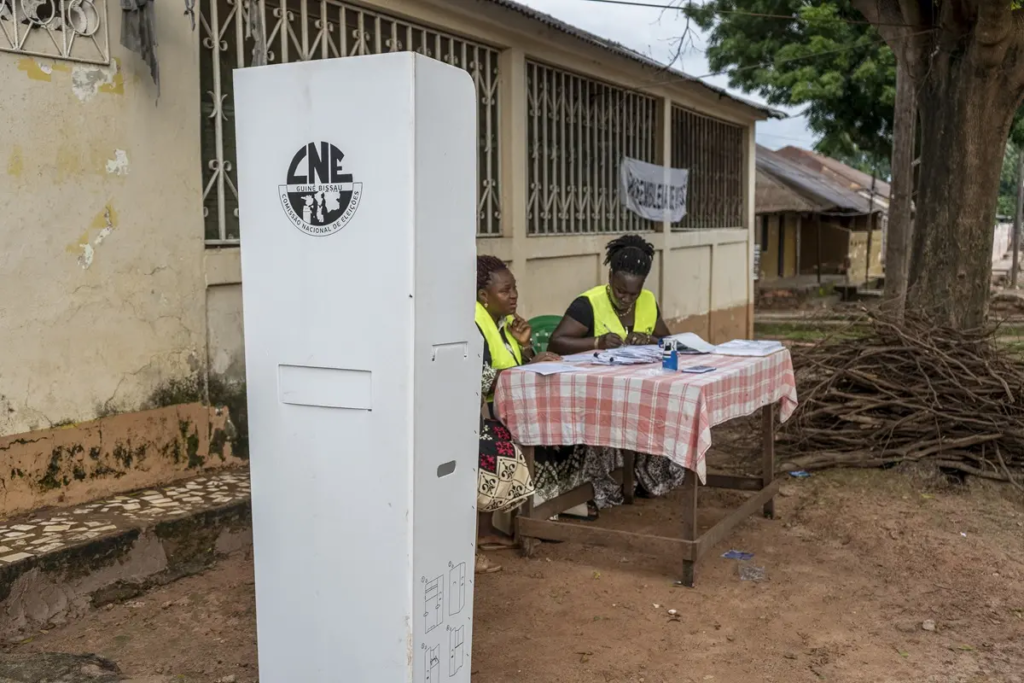
The junta has unanimously approved a constitutional amendment to switch the country from a parliamentary to a presidential system, and the public will now be asked to back it.
The new text proposes abandoning the old system whereby the prime minister came from the parliamentary majority, which has led to uncomfortable power-sharing.
It would also allow the head of state to appoint and dismiss the prime minister and members of the government and to dissolve parliament.
On Sunday, voters will answer “yes” or “no” to the question: “Do you agree with the entry into force of the new constitution approved by the National Transitional Council?”
After the junta seized power last November, it appointed General Horta N’Tam as transitional president under a transitional charter which bars him from running for election.
The army seized power just days after a presidential election, overthrowing then-president Umaro Sissoco Embalo and suspending the electoral process.
Following 2023 legislative elections, Embalo himself dissolved the opposition-dominated parliament in response to what he described as an attempted coup.
Read More : NAFDAC Destroys Fake Products in Rivers
He then ruled by decree until the army ousted him.
Guinea-Bissau, which is one of the world’s poorest countries, has experienced five coups and a series of attempted coups since 1974.
Its referendum follows a string of other African countries, including Zimbabwe and Chad, that have amended their constitutions in recent years to extend term lengths, remove age limits or strengthen powers of the executive.