Trending


The United Nations Food and Agriculture Organisation (FAO) has warned that the blockade of the Strait of Hormuz could lead to a severe global food crisis.
The Strait of Hormuz is a vital shipping route which accounted for a fifth of global oil shipping before the US and Israel launched strikes against Iran, which prompted Tehran to shut down the strait to tanker and cargo traffic.
According to AFP, a third of the world’s fertiliser supply also passed through the strait before the war. The ongoing Middle East hostilities could lead to a global fertiliser supply shortage, according to analysts.
Read More : Washington Tightens Iran Economic Squeeze
The FAO has urged greater attention to alternative land and sea routes, including those across the Arabian Peninsula to the Red Sea.
It also called on countries to avoid export restrictions on energy and fertilisers, and to exempt food aid from trade curbs.
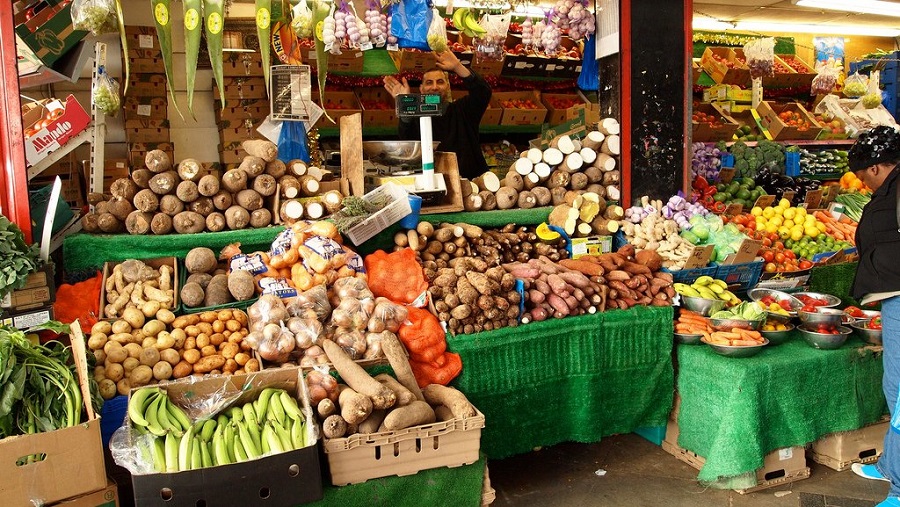
Credit: Naira Metric.
In a podcast published on Wednesday, the FAO’s chief economist, Maximo Torero, said the time has come to “start seriously thinking about how to increase the absorption capacity of countries, how to increase their resilience to this choke”.
The FAO, in a statement, said the Hormuz blockade was “not a temporary shipping disruption” but “the beginning of a systemic agrifood shock”.
Read More : UNGA: Lavrov Offers Help in Gulf, Slams Europe
It warned that a full-blown global food crisis could come within six to 12 months.
“The shock is unfolding in stages: energy, fertiliser, seeds, lower yields, commodity price increases, then food inflation,” it said.
The FAO said its global food price index had risen for three consecutive months since the start of the conflict.