Trending

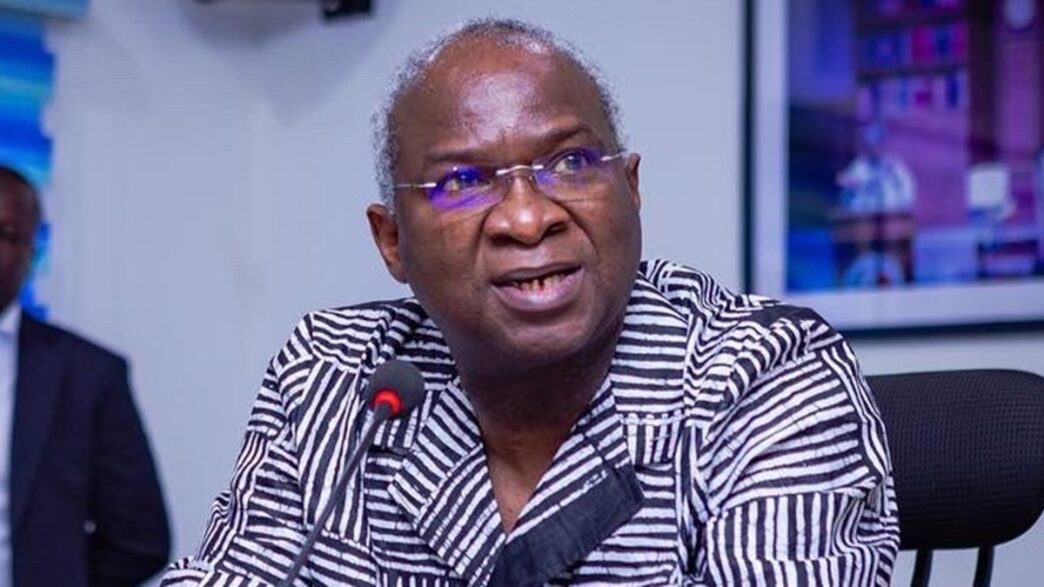
Former Lagos State Governor, Babatunde Fashola, has said he did not receive security votes at any point during his eight years in office.
Fashola made the claim on Friday during a panel discussion on governance, democracy and security organised by The Platform, while responding to questions on the management of security funds and the growing debate over state policing.
Speaking during the discussion, Fashola said he could only speak from his experience in Lagos, insisting that no such arrangement existed under his administration. He explained that security-related expenditures were handled through the state’s Ministry of Budget and Planning and subjected to established administrative processes.
Read More : Dangote Cuts Diesel Gantry Price to N1,700
The former governor said he was unaware of how other state governments managed security votes or where such funds originated.
He noted that his administration relied on structured and transparent approaches to security management, including regular security meetings and collaboration with stakeholders.
According to him, Lagos held monthly security meetings throughout his tenure and adopted data-driven methods to address crime and public safety challenges.
“This security vote thing, whenever I hear some of my colleagues talk about it, I don’t know what it means because I never had it in Lagos,” the former Lagos governor said.
“I was the governor, so I speak for what I know. There was no security vote. All our acquisitions were domiciled in the ministry of budget and planning.
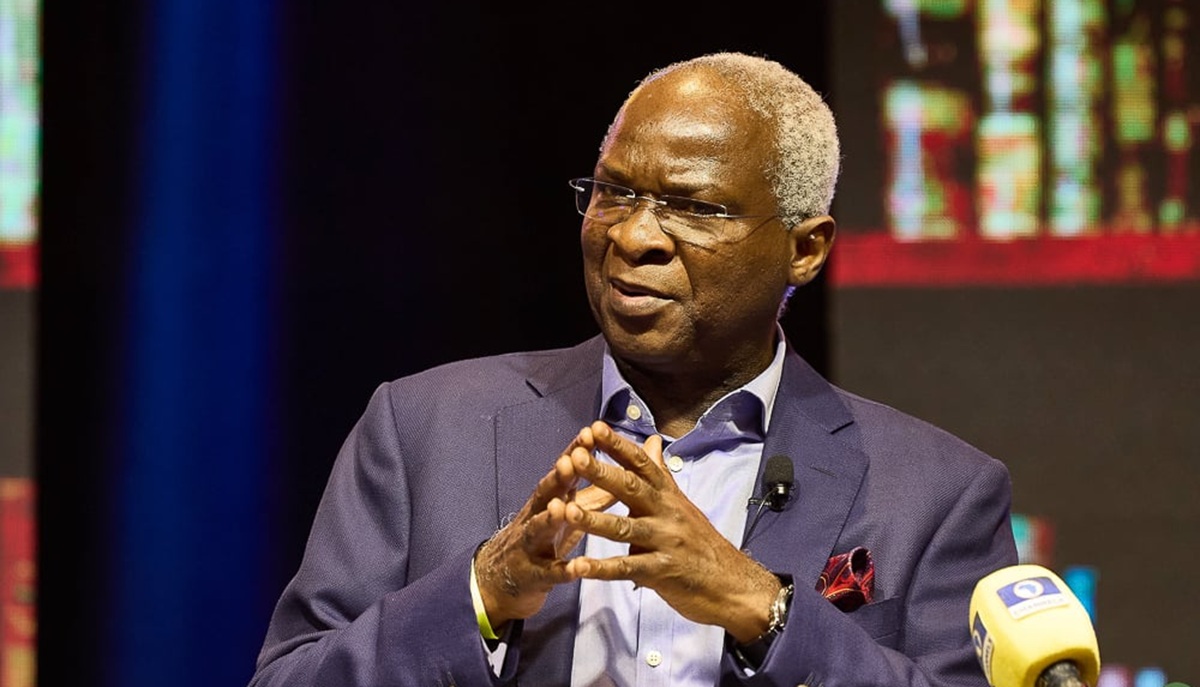
“So, when you say governors received security votes, I don’t know if Governor Saraki got that kind of money. I didn’t get it, and I don’t know where they were getting it from.”
“Back in the day, we used to have a monthly security meeting. It was held every first Wednesday of the month for eight years, and I never missed that meeting,” he said.
Fashola said the state also operated a security trust fund that received support from individuals and private-sector organisations to finance security interventions.
He added that the fund’s assets and accounts were audited, while the government regularly presented reports to residents detailing how resources were utilised and the impact of security initiatives.
“The accounts and assets were audited, and every year we came to a town hall like this. We did not just tell Lagosians what we were doing with the resources; we also reported crime statistics and measured changes from previous years to assess our progress,” he said.
The former Minister of Works further argued that addressing crime requires more than conventional security measures, noting that policy reforms can be as important as law enforcement efforts.
He cited Lagos’ early implementation of the Central Bank of Nigeria’s (CBN) cashless policy as one of the strategies that helped reduce crimes such as armed robbery and kidnapping.
Read More : Gunmen Kill 17 in Zamfara
Fashola maintained that crime evolves constantly and requires continuous adaptation, stressing that securing society involves both effective policing and sound public policy.
“It wasn’t just a battle won with arms and guns; it was also a battle won with policies,” Fashola said.
“Crime is very dynamic. As you win one battle, a new crime emerges. It doesn’t end. That is the unending work of all the people responsible for securing society.”