Trending
The International Monetary Fund (IMF) has raised its economic growth forecast for sub-Saharan Africa to 4.5 per cent in 2026, citing the region’s ability to withstand successive global shocks, including the US-Iran war.
The revised projection, announced on Thursday, is 0.2 percentage points higher than the estimate in the Fund’s April World Economic Outlook update. The IMF attributed the improved outlook partly to changes in global energy supply and the ability of private businesses to adjust to the effects of the conflict.
Since late February, the war has driven up international prices of oil, gas and fertiliser, placing additional pressure on African economies, many of which depend on imports of these commodities.
Read More : IMF Warns Gulf Recovery Will Take Time
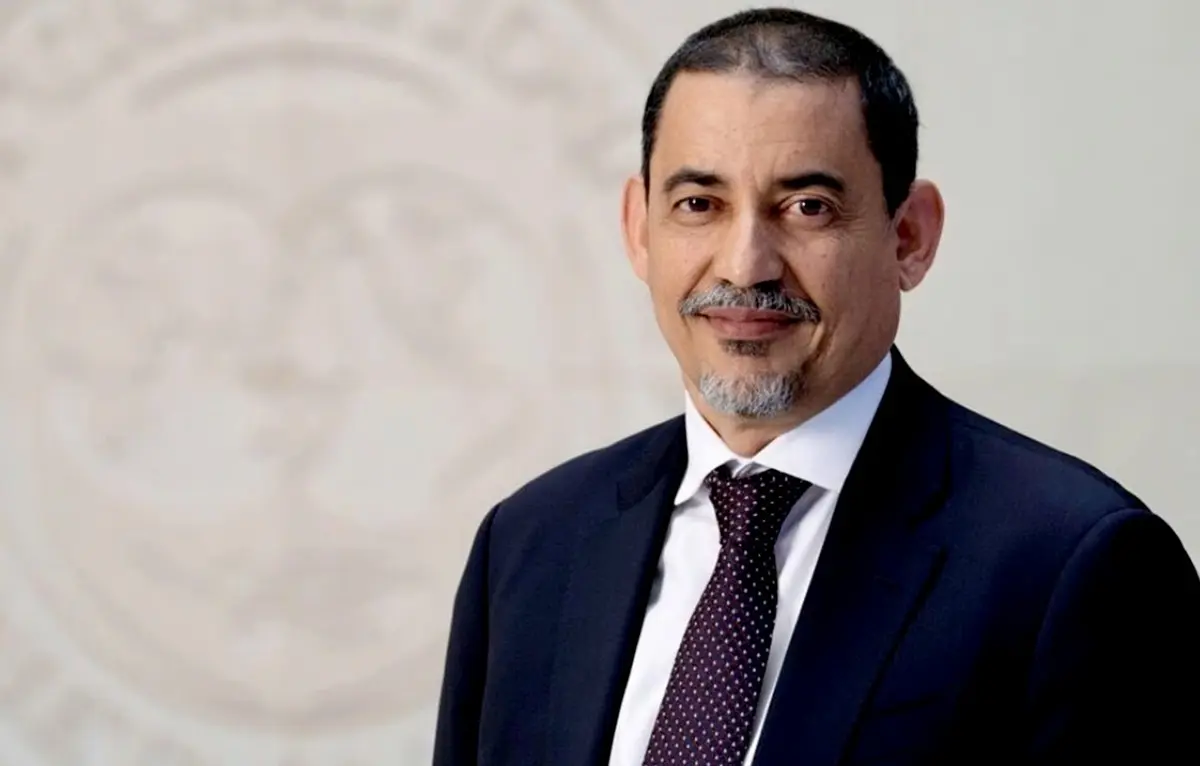
Speaking to AFP at the IMF headquarters in Washington, the Fund’s Africa Director, Zeine Zeidane, acknowledged the region’s resilience but warned that its current growth rate remained insufficient to deliver faster improvements in living standards.
He noted that per capita income growth was still weak, estimating that it would take sub-Saharan Africa almost 50 years to double income per person, compared with about 15 years in Southeast Asia.
“Our view is that per capita growth today remains quite weak,” he said.
“It would take the region nearly 50 years to double its income. By comparison, Southeast Asia managed to double its income per capita in 15 years.”
Zeidane, a former prime minister of Mauritania, said many African countries had maintained relatively stable growth through multiple crises without seriously undermining their public finances. He added that debt-to-GDP ratios had generally declined across much of the region.
He attributed this performance to fiscal consolidation efforts, particularly improvements in the collection of domestic revenue.
However, debt servicing continues to place considerable pressure on government budgets. According to Zeidane, debt payments average about 12 per cent of GDP across the region, reaching as much as one-third in some countries.
He warned that governments’ heavy borrowing needs were absorbing a substantial share of available domestic credit, leaving fewer resources for businesses and other development priorities.
Zeidane said banks were increasingly financing government borrowing rather than supporting private-sector activity, a situation he described as a constraint on economic development.
“Financing needs continue to absorb a large share of credit available in the economy, at the expense of other priorities more essential to development.”
“Instead of having banks that finance economic activity, we find ourselves in a situation where governments’ financing needs are crowding out the private sector,” he lamented.
He also identified the limited presence of institutional investors, including companies and pension funds, as a major obstacle to the development of African capital markets. He called for greater efforts to mobilise domestic financing to support economic activity.
Despite the region’s ability to manage several external shocks, Zeidane warned that climate-related and public health threats could place additional pressure on African economies.
He singled out the expected El Niño climate phenomenon as a major concern, saying it could disrupt agricultural production and electricity generation, particularly in southern Africa.
“We are very concerned because it could have a major effect on agricultural production but also on electricity generation, particularly in southern Africa,” Zeidane said.
El Niño is a naturally occurring climate pattern associated with the periodic warming of sea surface temperatures in the central and eastern tropical Pacific. It can alter rainfall, wind and temperature patterns across different parts of the world.
Zeidane said the IMF was developing models to assess the potential economic consequences for the region.
Read More : School Roof Collapse Kills 28 in Pakistan
Southern Africa could face a particularly severe drought cycle, while parts of eastern Africa could experience flooding that threatens farming activities and food supplies.
He warned that such weather disruptions could push up food prices, which account for a significant share of household spending across many African countries.
The IMF director also expressed concern about the Ebola outbreak in the Democratic Republic of Congo, describing the situation as difficult to contain and warning that its effects could extend beyond the country to neighbouring states.