Trending

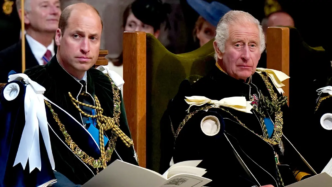
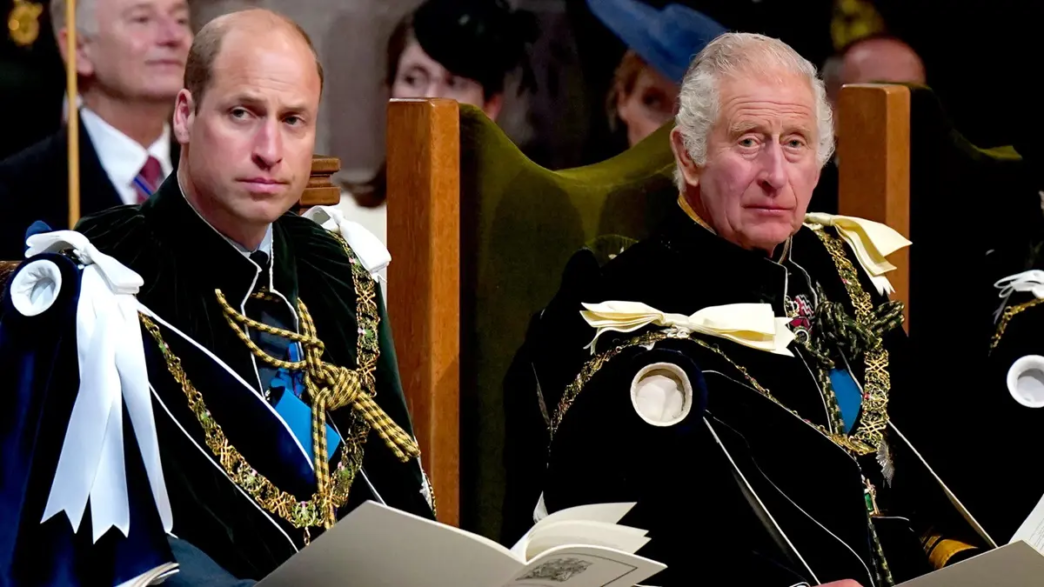
King Charles is reportedly aware that he may be the last member of the British royal family to serve as head of the Commonwealth, as his son and heir, Prince William, reportedly has no intention of taking on the role, according to a report by The Times.
If confirmed, the move would mark a significant shift in the relationship between the British monarchy and the 56-nation organisation.
While William is destined to inherit the throne, the leadership of the Commonwealth is not automatically passed from a sovereign to their heir.
Read More : Jay-Z to Perform at Super Bowl
It is a symbolic role, and succession is decided by the leaders of the member states.
Charles assumed the role after the death of Queen Elizabeth II, but his appointment had been agreed upon by Commonwealth heads of government in 2018.
According to the report, the Prince of Wales has indicated he does not wish to become head of the organisation when he ascends to the throne.
However, this is neither an official announcement from Kensington Palace nor a formalised decision.
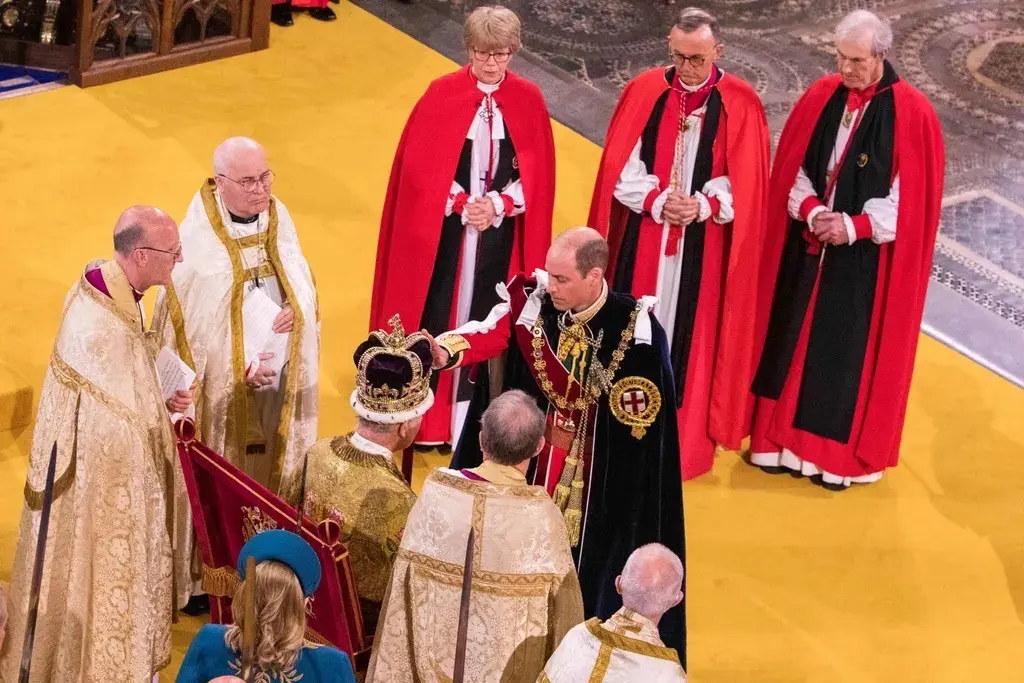
During her 70-year reign, Queen Elizabeth made the Commonwealth a pillar of her institutional work, guiding its transformation from an organisation tied to the British Empire into a voluntary association of independent states.
Charles has embraced that legacy, and his commitment is an important part of his diplomatic vision.
The king is preparing for a trip to the Caribbean from October 27 to November 4, with stops in the Bahamas, Guyana, and Antigua and Barbuda.
The visit comes as debates over Britain’s colonial past, slavery, and calls for economic reparations continue to dominate relations between London and several Caribbean nations.
Prince William has long been associated with the idea of a more streamlined monarchy, with fewer members engaged in official duties and a greater focus on his priority causes, such as the environment and mental health.
A potential relinquishment of the Commonwealth leadership could be interpreted as a further sign of change.
The Commonwealth includes numerous republics, and the monarch’s leadership does not entail governing powers over member countries.
William’s potential selection would raise a symbolic question: who could represent the organisation after Charles, and what relationship would they wish to maintain with the monarchy?
Read More : Blessing CEO Breaks Silence on Drug Addiction
For now, it remains a scenario rather than a decided succession. But the question raised goes beyond an institutional role, touching on how the British monarchy intends to redefine its presence in the world.
The future King William will inherit a crown, but it may be what he chooses not to inherit that best reflects the monarchy to come.