Trending
A new public opinion poll in Israel suggests a dominant perception that Iran emerged stronger from the recent Middle East conflict and its subsequent agreement with the United States, raising fresh questions about confidence in Israel’s strategic and political leadership.
The survey, conducted between June 17 and 20 by the Hebrew University of Jerusalem in collaboration with the Agam Institute, sampled 3,644 respondents. It found an overwhelming consensus that Iran had gained the upper hand.
According to the findings, 92.1 per cent of respondents said Iran either “won” or benefited more from the conflict, while 82.9 per cent believed Israel’s long-term security has been weakened.
This perception cuts across the political spectrum. Even among supporters of Israel’s right-wing bloc, widely regarded as the base of Prime Minister Benjamin Netanyahu, 93.1 per cent agreed that Iran had come out ahead, indicating that the sentiment is not confined to opposition voters.
The poll also reflects strong resistance to diplomatic engagement with Tehran. 63.2 per cent opposed the US-Iran agreement, while only 12.1 per cent expressed support, pointing to a broader scepticism about the deal’s strategic value.

Beyond foreign policy, the results highlight declining confidence in leadership. 72.5 per cent of respondents said they did not believe Netanyahu’s claims about the military campaign’s achievements, while 56.4 per cent rated his handling of the conflict as “failed” or “poor.”
Politically, the consequences appear significant. Support for Netanyahu’s premiership has dropped sharply from 40.5 per cent in March to 29.4 per cent in June, signalling weakening domestic approval amid ongoing regional tensions.
Despite criticism of leadership and diplomacy, public support for military escalation remains notable. 48.2 per cent of respondents backed renewed major military action against Hezbollah in Lebanon, even if it risks confrontation with Washington, while only 21 per cent opposed such a move.
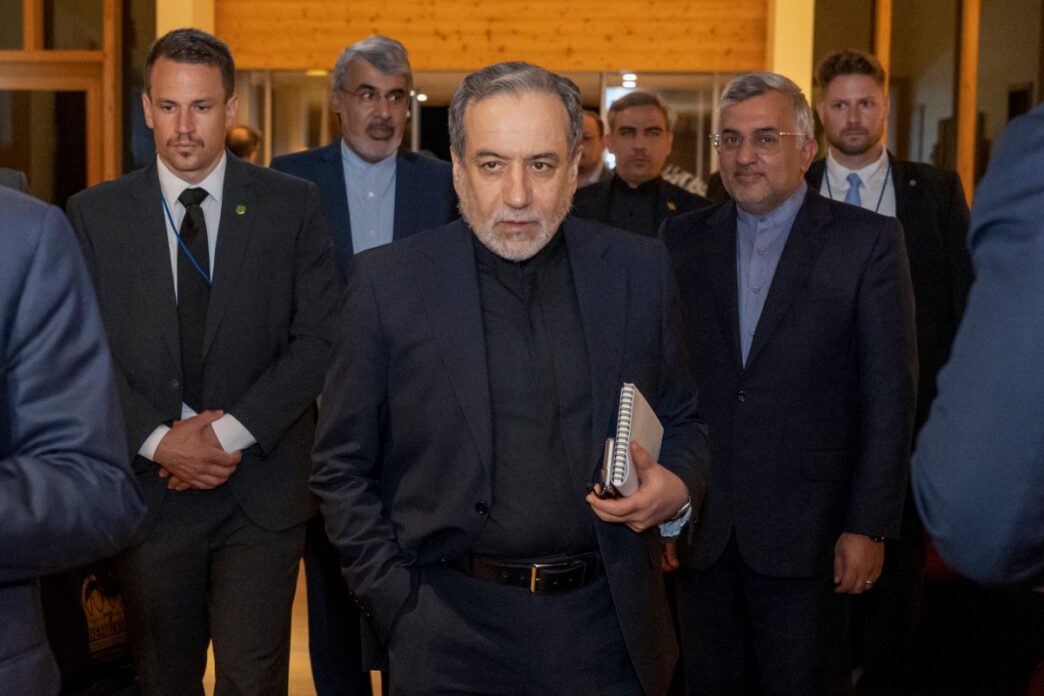
Negotiations aimed at converting the temporary US-Iran arrangement into a more permanent agreement are expected to take place in Switzerland, even as renewed clashes in southern Lebanon between Israeli forces and Hezbollah have complicated ceasefire enforcement, with both sides accusing each other of violations.
The findings collectively point to a population deeply sceptical of diplomatic outcomes, divided on strategy, but still broadly supportive of hardline military responses.