Trending
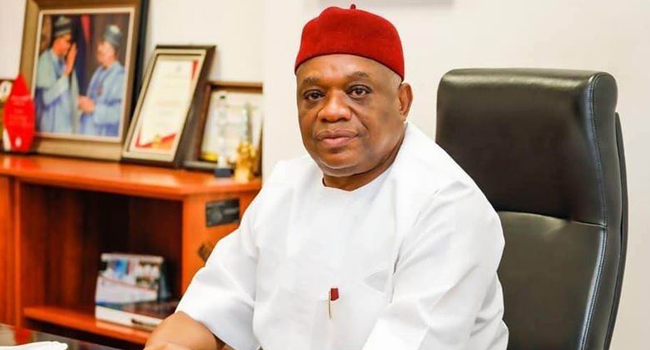
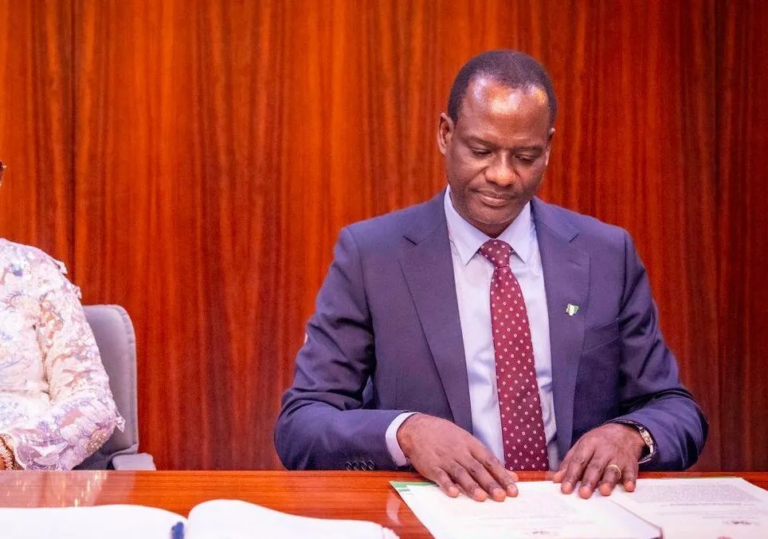
Senator representing Abia North, Orji Uzor Kalu, has urged President Bola Tinubu to give former Nigerian leaders who allegedly looted public funds two years to return the money in exchange for amnesty.
Kalu made the proposal while speaking on News Central TV’s 60 Minutes With Mr Kay on Friday night, arguing that repatriating the funds could provide billions of dollars in fresh capital for the economy.
The senator said the government should create a window for individuals who allegedly stole public funds while in office to voluntarily return the money without facing prosecution.
Read More : OpenAI Bypass Hits Australian Government Site
“President Tinubu should give people a pardon, because between the houses in Abuja, if you search all the houses, you might have over 50, 60 billion lying down there,” Kalu said.
He argued that money allegedly kept by former public officials in private residences was not contributing to the economy because it remained outside the formal banking system.
“People who keep money in their houses, and it’s not right; it’s not the right thing to do. It’s not in the banking system. It’s not in the banking system that could have helped this economy to grow,” he said.
Kalu proposed that the amnesty should cover funds allegedly looted since Nigeria’s independence in 1960.
“So I would like President Tinubu to give a window of two years and say, no matter from 1960, no matter where you keep the money, returning to Nigeria, nobody will touch you. You are pardoned,” he said.
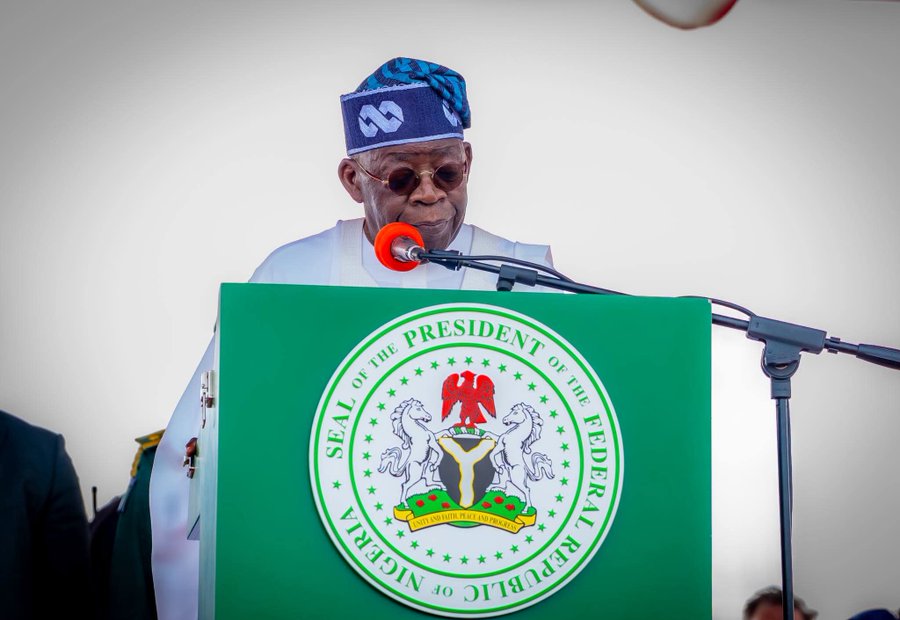
He said the proposed measure would encourage former public officials to repatriate allegedly stolen funds and make them available for economic development.
“So let people repatriate this money and use it for the benefit of this economy,” Kalu said.
The senator argued that Nigeria had sufficient natural resources and human capital to become one of the world’s biggest economies if its resources were properly harnessed.
“This is an economy that if we harness, will be the largest economy in the world, if not the third. We have the potentials, we have the human resources, we have the raw materials, we have everything,” he said.
Kalu’s proposal effectively calls for a limited amnesty to recover alleged proceeds of corruption, with the government foregoing prosecution in exchange for the return of funds.
Nigeria has a long history of corruption allegations involving public officials, with some cases resulting in convictions, asset forfeitures and the recovery of funds from abroad.
One of the most prominent examples is the late military ruler Sani Abacha, whose family and associates have been linked by foreign authorities to the embezzlement and laundering of billions of dollars in Nigerian public funds.
The United States has forfeited and repatriated hundreds of millions of dollars traced to the Abacha-era corruption, while Switzerland has also returned funds to Nigeria.
Other cases have involved senior civilian officials. For example, the US Department of Justice said in 2023 that it recovered about $53.1 million in assets linked to corruption in Nigeria’s oil industry.