Trending


Kenyan Senator Edwin Sifuna is emerging as one of the most prominent potential challengers to President William Ruto ahead of the country’s August 2027 general election, tapping into growing public anger over corruption, political violence and the cost of living.
Sifuna, 44, has yet to formally declare his intention to run for president, but his growing popularity has drawn attention as Kenya’s opposition searches for a candidate capable of mounting a serious challenge to Ruto.
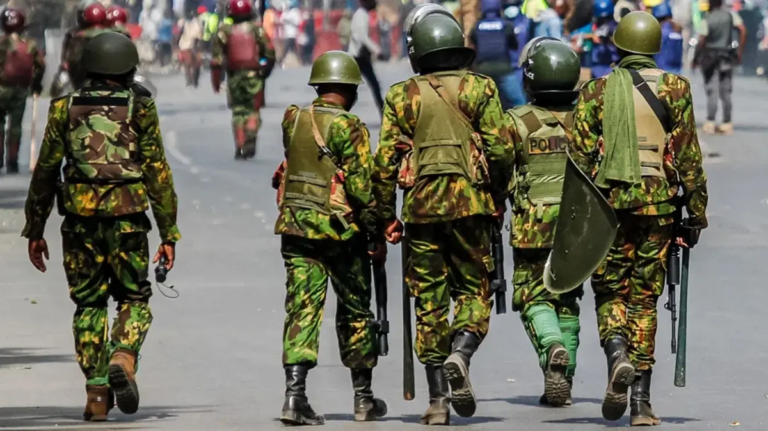
The former lawyer gained support among young Kenyans, particularly members of the so-called Gen-Z generation, after he actively intervened during the major anti-government protests of June 2024, when demonstrations over economic policies and governance were met with a heavy security response.
More than 100 people have reportedly lost their lives, and dozens have been abducted in incidents blamed on security forces over the past two years, further fuelling criticism of the government.
Sifuna has made criticism of Ruto central to his political message, accusing the president of presiding over a culture of “impunity”.
“(Ruto) doesn’t believe in the rule of law. He doesn’t believe in democracy. He doesn’t believe in freedom,” Sifuna told AFP at his office in Nairobi.
His growing profile has also made him a target. Some of his rallies have been disrupted by groups of young men, reflecting a longstanding pattern of political violence in Kenya.
“It has been quite amazing to see the people showing up to our meetings, despite all the threats, all the intimidation,” Sifuna said.
Despite his growing popularity, questions remain over whether Sifuna has the experience and political structure required for a presidential campaign. Political analyst Javas Bigambo said Sifuna had not yet presented himself as “a compelling presidential candidate who means business”. Bigambo also pointed to Sifuna’s relatively short political record, noting that he has served only one term as senator.

However, Sifuna previously served as secretary-general of the Orange Democratic Movement, one of Kenya’s longest-standing opposition parties. His supporters believe he could tap into the political energy that has increasingly brought younger Kenyans into politics, particularly since the 2024 protests.
Sifuna says those demonstrations “fundamentally changed” Kenyan politics by encouraging young people to organise around economic and political concerns rather than traditional ethnic divisions.
The senator has also dismissed concerns about his age, arguing that his parliamentary experience should count in his favour. “How is it a criticism to be young?” he asked. While he has avoided outlining detailed policies, Sifuna says he is working with experts to develop a manifesto.
“We accept there are people who know things better than us, and they need to be given the opportunity to help you run a government,” he said.
His campaign team says it is receiving small donations from ordinary citizens, a departure from the large financial networks that have traditionally shaped Kenyan politics. Opponents, however, allege that former President Uhuru Kenyatta is providing financial backing. Sifuna denies being controlled by any political figure.
At a rally in Nairobi on Sunday, large crowds gathered to hear him speak. Among them was 32-year-old Joshua Kebwago, who said Sifuna represented a break from established politics.
“He’s here to uplift the poor, reduce taxes and the cost of living,” Kebwago said. “We want something better.”
Kenya has a median age of about 20, giving Sifuna a potentially significant pool of young voters. But he acknowledges that the political movement around him remains unpredictable.
“There is this new energy that everybody is aware of, but is also untested,” he said.
Still, Sifuna appears determined to test that momentum at the ballot box, saying the greatest pressure comes from how many people could be disappointed if he fails.