Trending

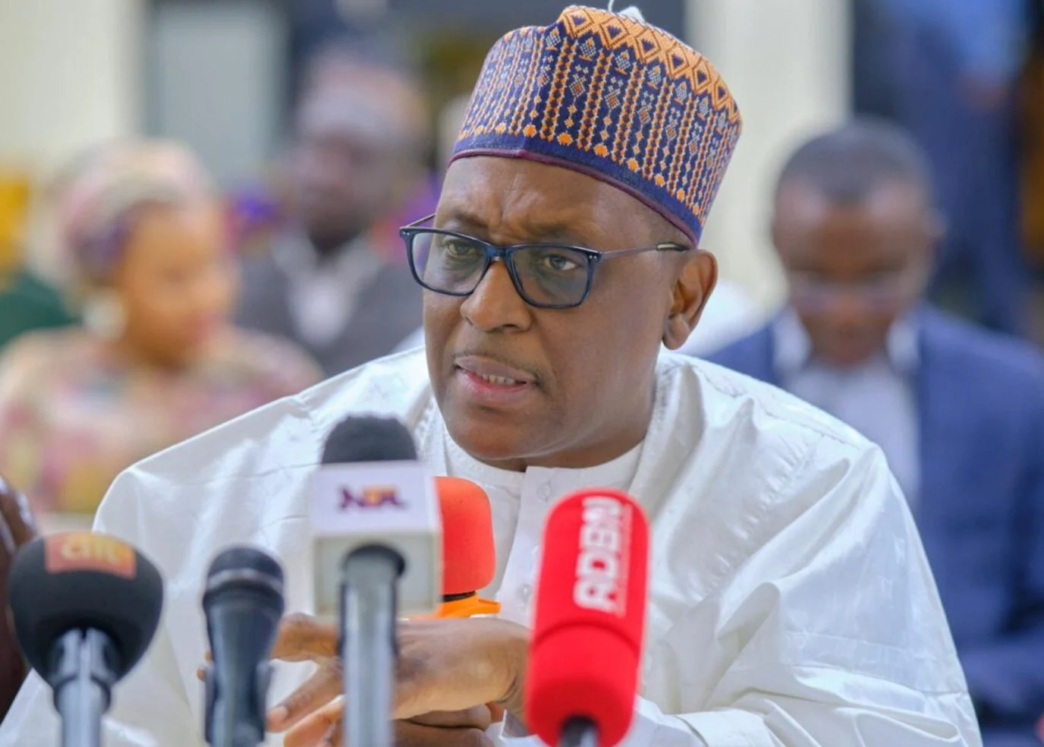
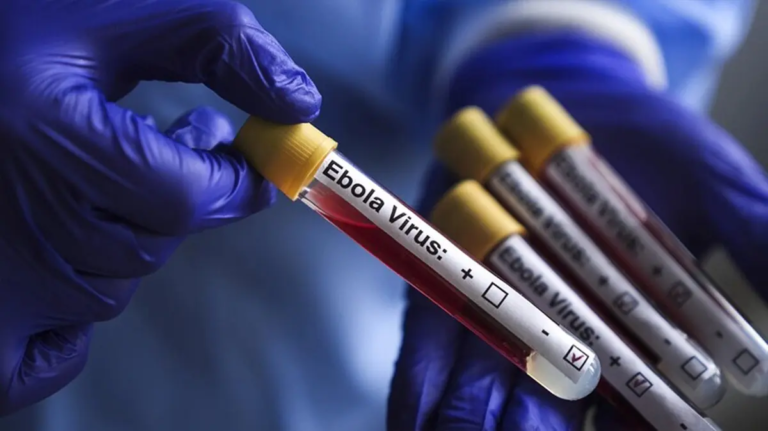
Nigeria’s Coordinating Minister of Health and Social Welfare, Professor Ali Pate, revealed on Wednesday that no licensed treatment or vaccine currently exists for the Ebola strain involved in the country’s latest outbreak.
Speaking during an Arise Television interview, Pate explained that medical staff are providing supportive care to the infected patient, whose immune system is actively combating the virus while researchers evaluate experimental treatments.
“Specific treatment for this variant of the Ebola virus, or a specific vaccine, is not yet licensed or approved to be used,” Pate stated, noting that scientists are testing various molecules and candidate vaccines to find effective options.
Read More : WHO: Africa Faces ‘Complex’ Ebola Outbreak
The patient, a female traveller who arrived from Uganda, initially received antibiotics and antivirals at a private hospital in Abuja before laboratory tests confirmed she had contracted the Bundibugyo strain of Ebola.
Pate noted that doctors delivered appropriate supportive care throughout her admission and reported that her condition remained stable, though he cautioned that the trajectory of infectious diseases can rapidly shift.
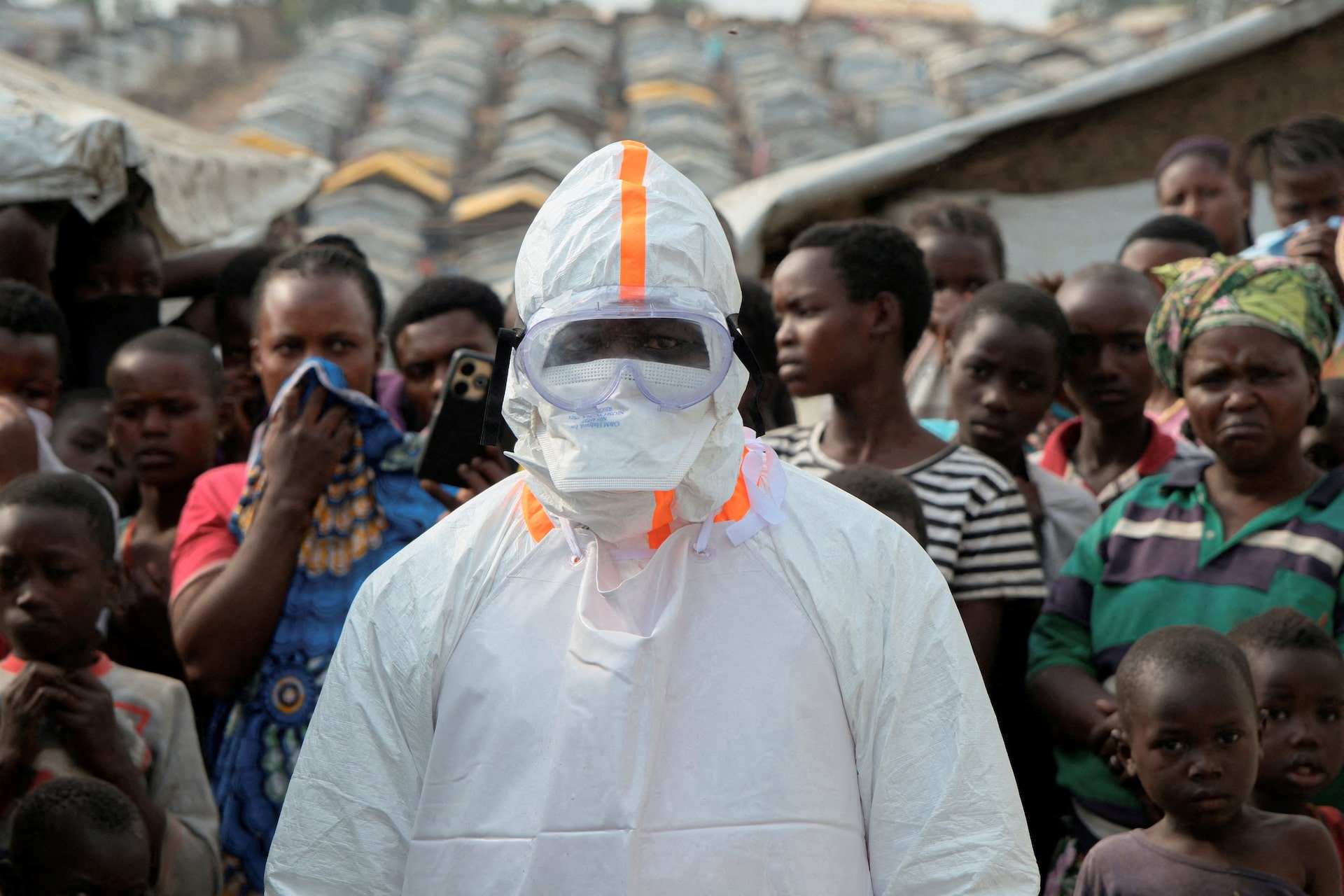
“I think we’re very fortunate that she is stable at this moment. We hope she continues to remain stable, because things can change when you have an infectious disease and you don’t fully control the course of illness,” he said.
Federal health officials credited Nigeria’s robust laboratory infrastructure, trained medical staff, and health facilities with swift identification and containment of the case.
The Nigeria Centre for Disease Control and Prevention immediately activated emergency protocols, including contact tracing, heightened surveillance, and strict infection control procedures.
Epidemiologists across multiple states are monitoring contacts, including initial follow-ups on 44 primary contacts, 40 individuals in Anambra State, and 111 contacts in Ogun State.
Meanwhile, the United States Mission in Nigeria issued an advisory advising its citizens to monitor for symptoms like fever, severe headache, and muscle pain.
Read More : Ogun Shuts Schools After Gas Leak
Pate emphasised that halting the spread requires strong public cooperation alongside government surveillance.
“We’ve got laboratory capacity that has all come together to allow the patient to walk through the Nigerian healthcare system, be detected, and be catered for,” Pate said, while reminding citizens of their crucial role in following safety guidance.
“It also requires Nigerians themselves to know how we behave so that those who may have contact with her continue to comply.”