Trending
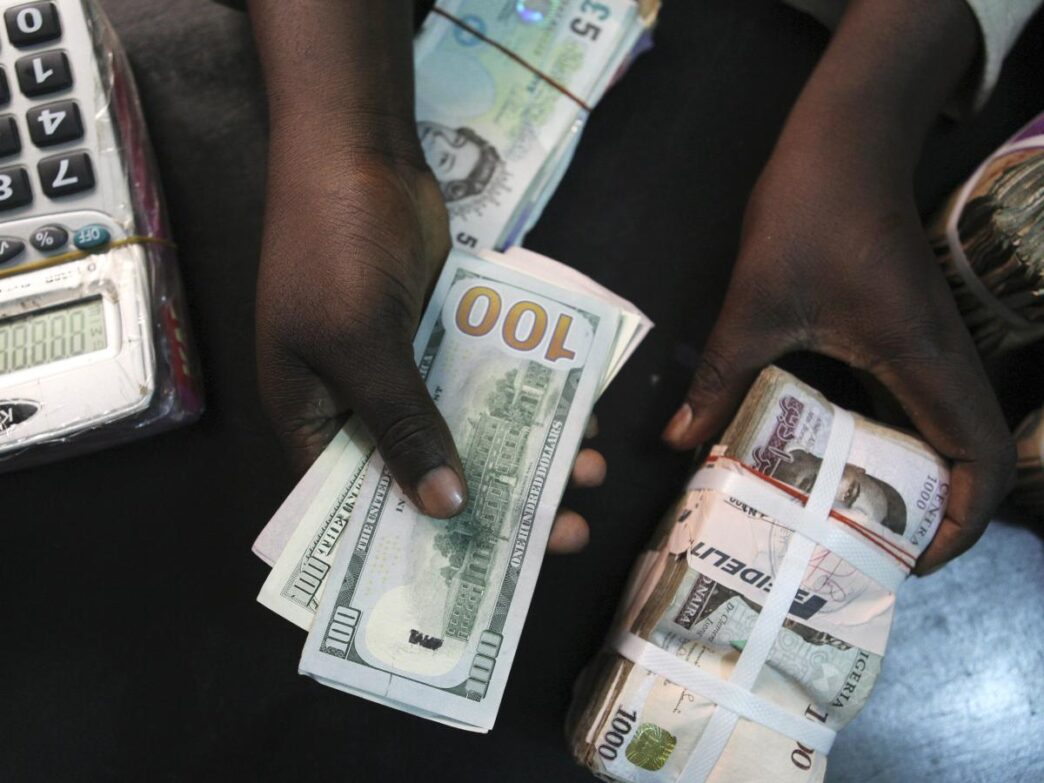
The naira maintained stability against the United States dollar on Thursday, trading at ₦1,358.63/$ on the official foreign exchange market as the gap between the official and parallel markets continued to narrow following tighter monetary policy measures by the Central Bank of Nigeria (CBN).
Market data showed the official spot market opened at approximately ₦1,365.69 per dollar before trading within a relatively narrow band of between ₦1,356.61 and ₦1,361.25 during the day’s early trading.
In the parallel market, also known as the black market, the dollar exchanged at about ₦1,400, reflecting a premium of just over ₦40 above the official rate.
Bureau de Change operators in Lagos and Abuja reported steady foreign exchange liquidity and limited price fluctuations, with the parallel market remaining largely in line with recent trading trends.
The continued convergence between the official and parallel market rates suggests growing stability in Nigeria’s foreign exchange market following months of reforms by the Central Bank of Nigeria.
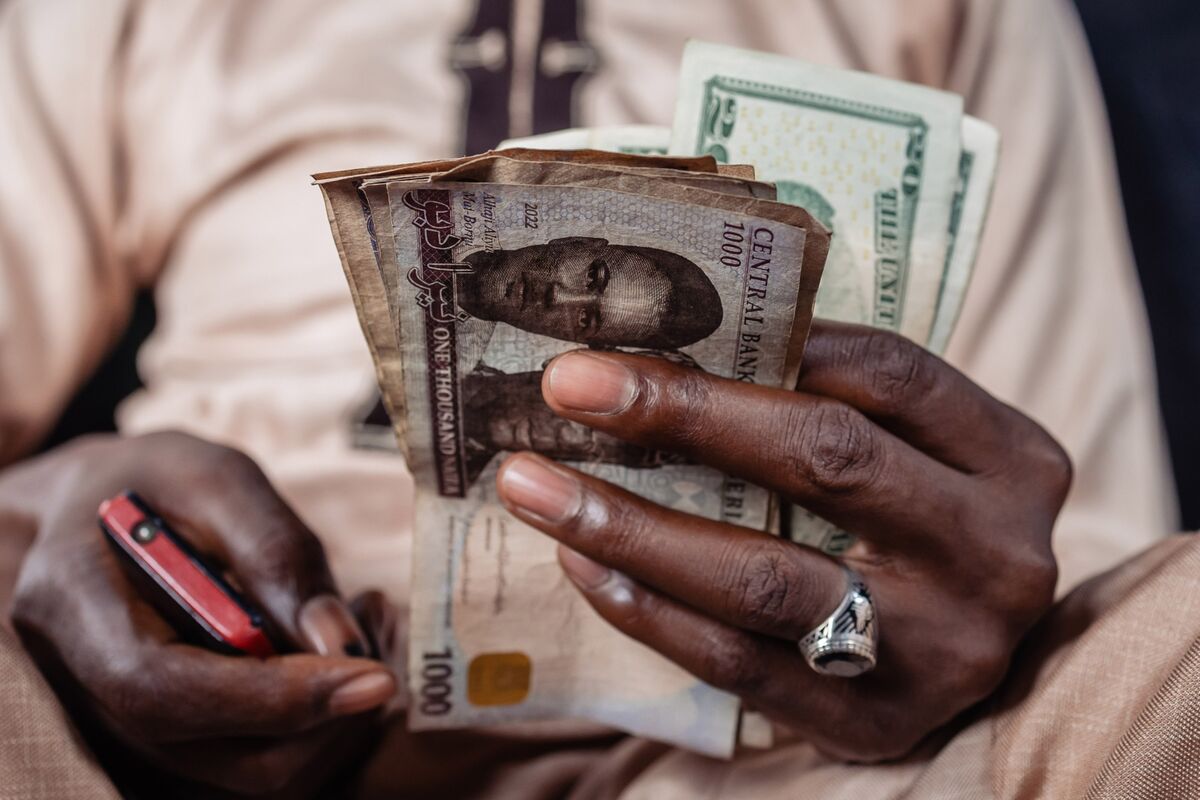
Analysts attributed the narrower spread to the apex bank’s liquidity-tightening measures, improved foreign exchange management and stronger external reserve buffers, which have helped ease pressure on the naira.
The relatively stable exchange rate also comes as businesses and importers continue to monitor foreign currency demand to meet import obligations and other international payment commitments.
The Central Bank has in recent months intensified efforts to improve transparency in the foreign exchange market, curb speculation and boost dollar liquidity through policy reforms aimed at restoring investor confidence.
A narrower gap between the official and parallel market rates is generally seen as a positive indicator for the economy, as it reduces opportunities for arbitrage, improves price discovery and signals greater confidence in the country’s foreign exchange market.