Trending
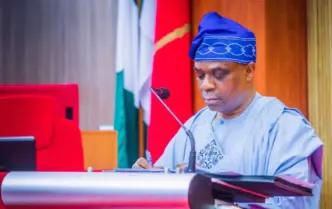
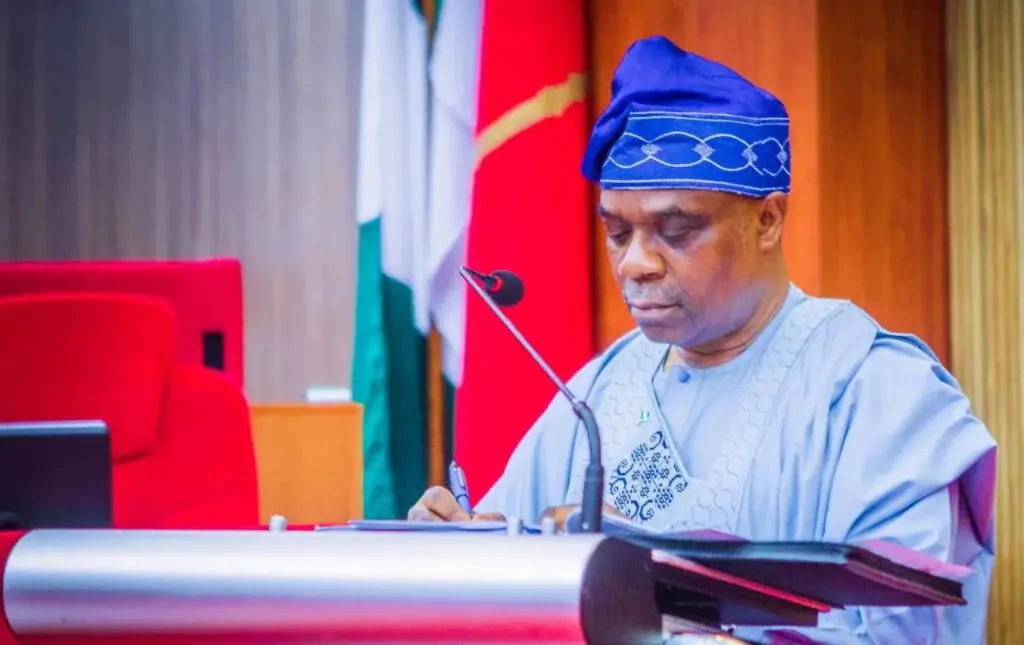
Nigeria has urged South Sudan to recommit to implementing its revitalised peace agreement, end ongoing conflicts, and ensure credible presidential elections scheduled for December 2026.
The call was made on Thursday when the Minister of State for Foreign Affairs, Ambassador Sola Enikanolaiye, received the South Sudanese Ambassador to Nigeria, Ambassador David Buom Choat, at the Ministry of Foreign Affairs in Abuja.
According to the ministry, discussions centred on South Sudan’s peace process, national reconciliation efforts and ways to strengthen relations between the two African nations.
During the meeting, Enikanolaiye reaffirmed Nigeria’s longstanding support for peace in South Sudan, urging the government in Juba to fully implement the Revitalised Peace Accord.
“The Honourable Minister reaffirmed Nigeria’s steadfast commitment to supporting durable peace, stability and inclusive dialogue in South Sudan, consistent with Nigeria’s longstanding engagement in the peace efforts in the region,” the ministry said in a statement issued on Thursday.
He also “called on the government of South Sudan to rededicate itself to the implementation of the Revitalised Peace Accord, based on openness, transparency, and inclusion, which should culminate in the scheduled Presidential elections in December 2026.”
The minister further urged South Sudanese authorities “to do more to end the conflict and disagreement in the country so as to create a peaceful atmosphere for the people, including a ceasefire in the White Nile region in the country.”
Enikanolaiye said President Bola Tinubu remained actively committed to promoting peace in South Sudan through his role on the African Union Ad hoc Committee of Five on South Sudan.
He added that the IGAD-AU-led peace process remains the surest pathway to enduring peace, security and stability in South Sudan.
The minister also noted Nigeria’s continued contribution to South Sudan’s development through its Technical Aid Corps programme, saying Abuja “has continued to support manpower development in the country through the deployment of Technical Aid Corps (TAC) Volunteers and stands ready to deploy additional volunteers in response to requests from the government of South Sudan.”
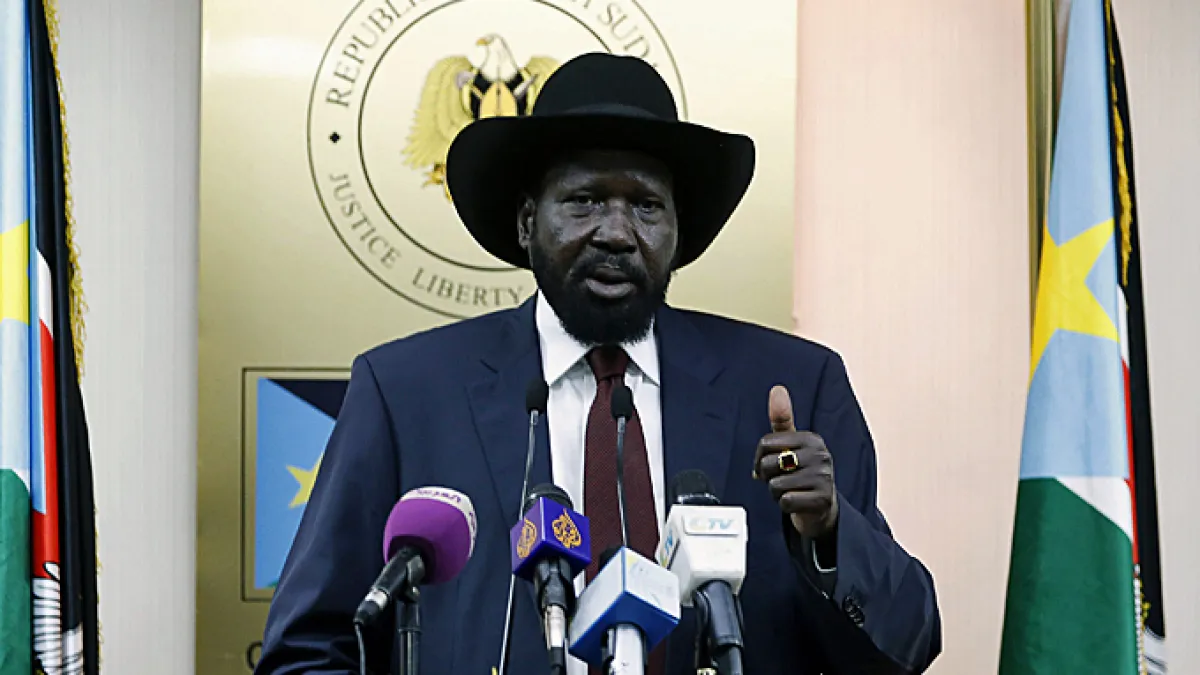
Nigeria Condemns Attack on Diplomat
A key issue raised during the meeting was the recent assault on a Nigerian diplomat in Juba, which Nigeria condemned.
“The Honourable Minister expressed deep concern over the recent assault on a Nigerian diplomat in Juba, the Capital of South Sudan. He strongly condemned the act and called for a thorough investigation, as well as the identification and prosecution of the perpetrators.”
The minister stressed that “such reprehensible conduct on Nigerian diplomats will not be tolerated” and urged South Sudanese authorities to guarantee the safety of Nigerian diplomatic personnel in accordance with the Vienna Convention and established diplomatic norms.
Responding, Ambassador Choat conveyed his government’s regret over the incident.
Focus on Elections And Bilateral Cooperation
Both countries recognised the importance of holding peaceful, inclusive and credible elections as a cornerstone of South Sudan’s democratic transition.
Enikanolaiye reiterated Nigeria’s readiness to support preparations for the polls while also calling for fairness in legal proceedings involving imprisoned Vice President Rick Mercia.
The meeting also produced an agreement to accelerate plans to establish a Nigeria-South Sudan Ministerial Commission to deepen cooperation.
“It was agreed that such a mechanism would provide a structured platform for regular high-level consultations and the advancement of mutual interests in political, economic, security and socio-cultural fields,” the ministry added.
South Sudan gained independence from Sudan in July 2011 after decades of civil war, with Nigeria playing a diplomatic role through the Abuja peace talks of the early 1990s, commonly known as Abuja I and Abuja II, which helped advance negotiations that eventually contributed to the country’s independence.
However, the world’s youngest nation has experienced repeated political crises and armed conflict since 2013, despite the signing of the 2018 Revitalised Agreement on the Resolution of the Conflict in South Sudan.