Trending
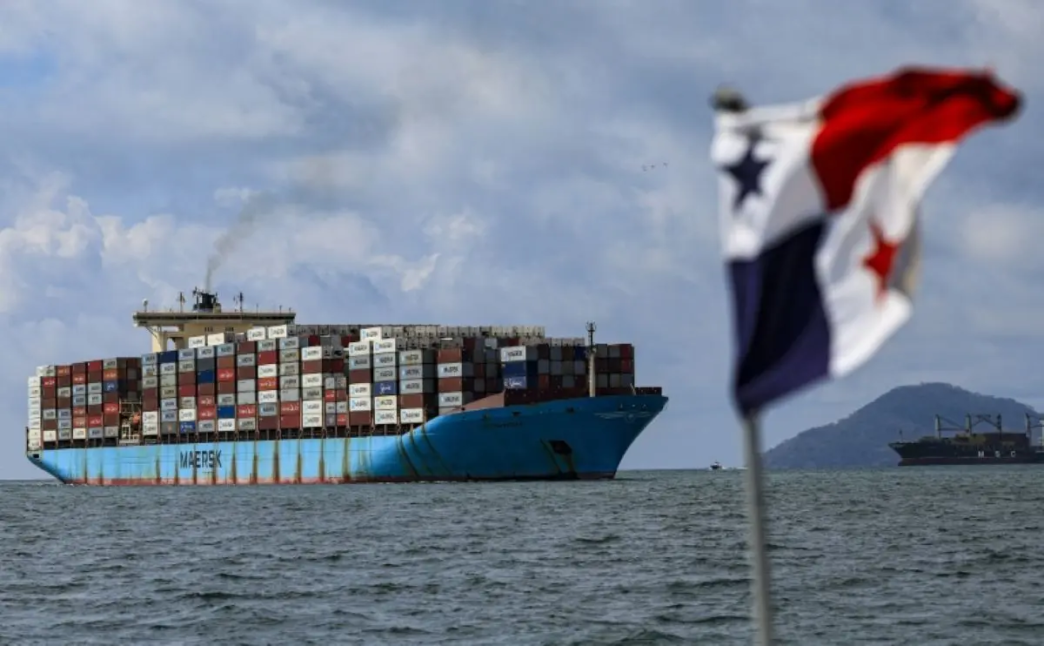
The European Union has removed Panama from its list of non-cooperative tax jurisdictions, recognising the country’s progress on tax transparency and its overhaul of a regime the bloc had branded “harmful.”
The decision, announced on Friday, also covers Vietnam, which was delisted after carrying out its own series of reforms. The EU’s updated blacklist now names eight jurisdictions: American Samoa, Anguilla, Guam, Palau, Russia, the Turks and Caicos Islands, the US Virgin Islands and Vanuatu.
The EU said Panama earned its removal after an OECD Global Forum review assessed its compliance with international standards on exchanging tax information on request. Brussels also noted that Panama has reformed its foreign-source income exemption regime, which it had previously criticised as harmful.
In a statement, the EU said the update “reflects a positive trend in compliance with international tax good governance standards.”

The blacklist was created in 2017, after scandals including the Panama Papers. The 2016 leak of 11.5 million files from the Panama City law firm Mossack Fonseca exposed how wealthy individuals and public figures used offshore companies to hide hundreds of millions of dollars from tax authorities, triggering investigations worldwide.
The scandal badly damaged Panama’s reputation as an offshore financial hub and pushed the country to adopt reforms, including penalties for tax evasion.
This is not Panama’s first exit from the list. It was removed in 2018, only to be added again in 2020. Panama has criticised the EU for keeping it on the blacklist despite its efforts to crack down on tax evasion.
The latest move follows the Financial Action Task Force’s 2023 decision to take Panama off its “grey list” of jurisdictions under increased monitoring for money laundering and terrorism financing. Together, the two decisions mark a significant step in Panama’s effort to rebuild its standing in global finance.