Trending
Senegal’s public debt director, Alioune Diouf, has said that the nation’s financial obligations are now “fully transparent” and in complete alignment with International Monetary Fund (IMF) data.
Speaking at an investment event in Manhattan, Diouf rejected allegations of payment arrears existing outside of standard grace periods.
This push for credibility follows a turbulent period in 2024, during which the IMF halted a $1.8 billion programme after audits uncovered previously unreported liabilities from the 2019–2024 fiscal years.
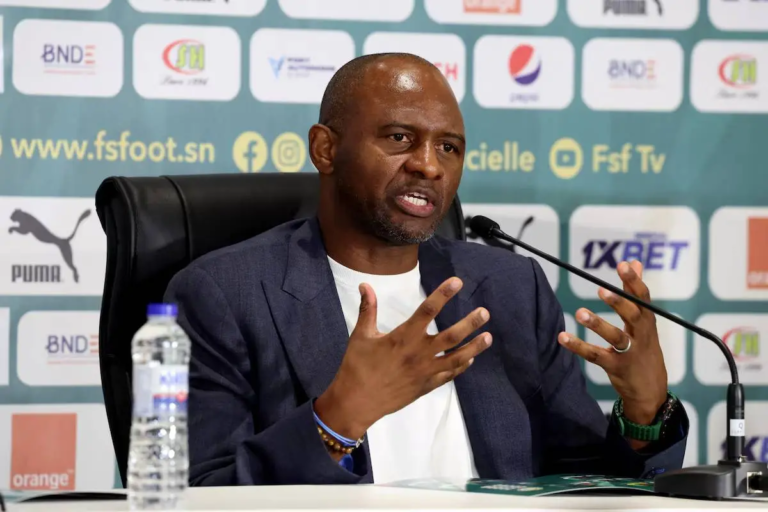
Read More : Vieira’s Senegal Debut Ends in 1-1 Draw
To address concerns regarding transparency, Diouf highlighted the government’s expanded disclosure practices, including the publication of quarterly budget reports and detailed debt statistical bulletins.
While some observers noted discrepancies between recent government updates and the IMF’s World Economic Outlook, the debt director maintained that both entities are now operating from identical audited datasets.
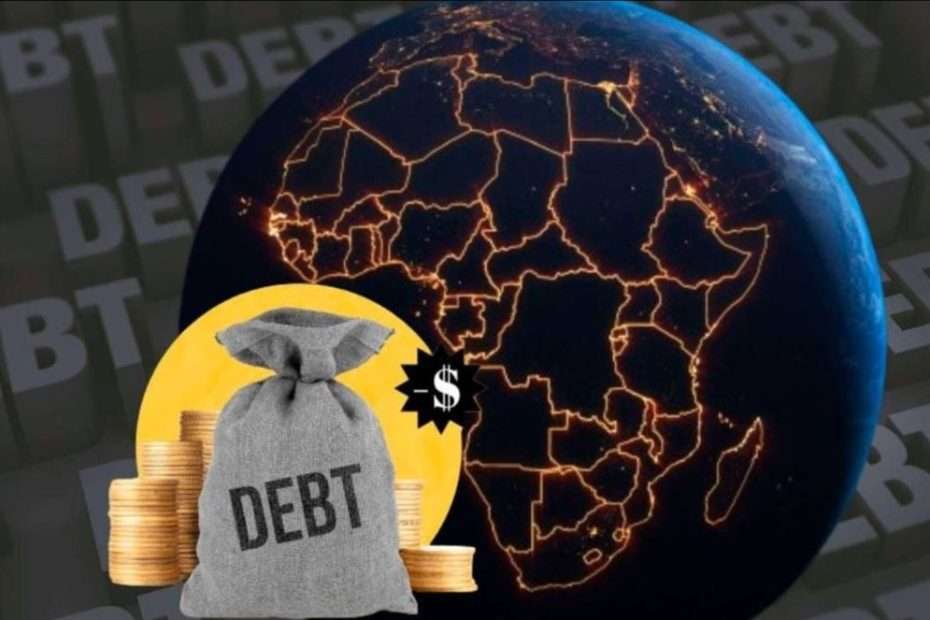
He further clarified that certain complex financing operations conducted in 2025 were executed via regional auctions and are correctly reflected in aggregate issuance figures.
The debt director also defended the use of controversial derivative-linked structures, such as total return swaps, which have been criticised by some market analysts.
Diouf argued these instruments provide a more affordable alternative to external borrowing and carry “almost nonexistent” risk because they are tied to domestic securities where the government controls rate dynamics.
He dismissed reports of payment delays, characterising previously unrecorded liabilities as technical debt integration issues rather than missed payments to creditors.
As Senegal continues its efforts to regularise its financial standing, negotiations to resume the IMF programme remain ongoing.
With traditional external markets currently constrained, the country has increased its reliance on regional markets and alternative financing strategies.
Diouf confirmed that while a program outline is under discussion and data reconciliation is complete, further work is required to solidify Senegal’s long-term debt outlook and secure a final agreement with international lenders.