Trending
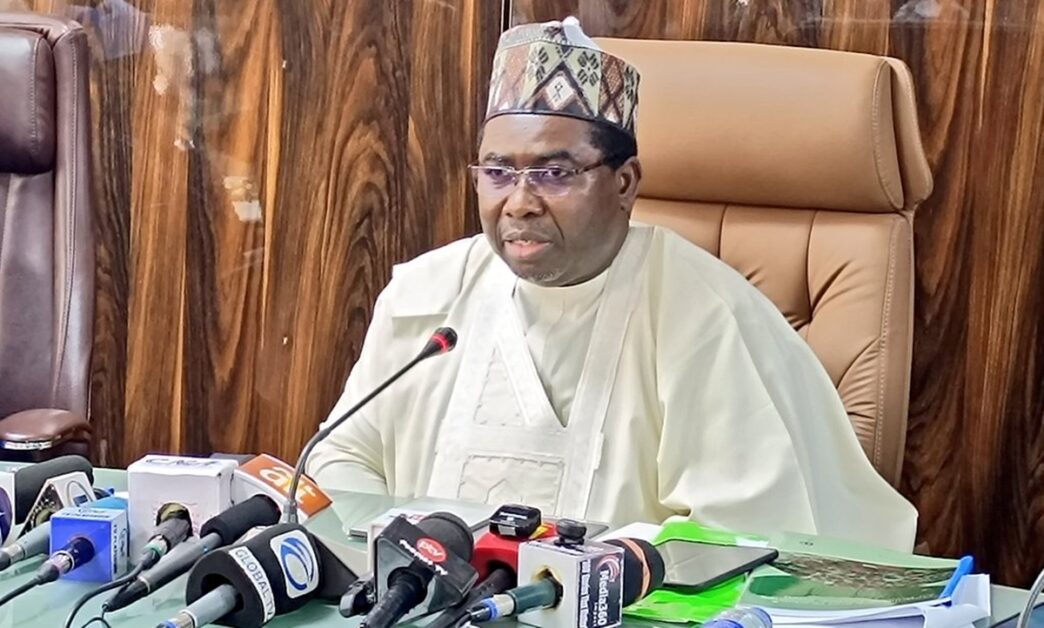
The Socio-Economic Rights and Accountability Project (SERAP) has asked the Independent National Electoral Commission (INEC) to disclose whether it has set limits on political contributions ahead of the 2027 general elections and explain how it plans to enforce them.
In a Freedom of Information request dated August 22, 2026, and signed by SERAP Deputy Director Kolawole Oluwadare, the organisation urged INEC Chairman Professor Joash Amupitan to “urgently disclose whether the Commission has exercised its statutory power to prescribe limits on political contributions under section 91 of the Electoral Act, 2026.”
SERAP also asked the commission to publish the limits, if already prescribed, and “widely communicate them to political parties, candidates, donors and the Nigerian public.”
The organisation’s demand comes as political parties and candidates begin mobilising funds and organising activities ahead of the 2027 elections.
SERAP said INEC should disclose the systems and procedures it has established to monitor political financing, including “cash and in-kind contributions, digital and social-media financing, third-party expenditure, and donations through intermediaries that could potentially circumvent statutory limits.”
It also asked the commission to publish political parties’ latest financial records, including audited accounts, annual statements and election expenditure returns for 2023 to 2025, as well as its political-finance examination and audit reports submitted to the National Assembly.
SERAP argued that INEC’s constitutional responsibility goes beyond receiving financial statements from political parties.
“INEC’s constitutional responsibility is not simply to receive financial statements from political parties,” it said.
“The Constitution requires the Commission to examine political-party finances, conduct necessary investigations and report to the National Assembly.”
The organisation cited Section 226 of the 1999 Constitution, which requires INEC to prepare and submit annual reports on the accounts and balance sheets of political parties, conduct necessary investigations and have access to parties’ books, accounts and vouchers.
SERAP said publishing such information would allow Nigerians to determine whether INEC is fulfilling those responsibilities.

“Voters, journalists and civil-society organisations cannot effectively scrutinise political financing if the applicable limits are not easily accessible or if there is no publicly known mechanism for monitoring compliance,” it said.
It also warned that the “increasing monetisation of Nigeria’s elections” could undermine democratic competition, particularly where political financing is opaque or excessive.
At the centre of SERAP’s request is Section 91 of the Electoral Act, 2026, which, according to the organisation, gives INEC the power to limit how much individuals can contribute to political parties or candidates.
The section provides that: “The Commission shall have power to place limitation on the amount of money or other assets which an individual can contribute to a political party or candidate and to demand such information on the amount donated and source of the funds.”
SERAP said the provision creates an important safeguard against excessive financial influence and urged INEC to clarify whether it has exercised that power.
“It remains unclear whether INEC has prescribed, clearly published and effectively monitored the applicable contribution limits,” the organisation said.
It further asked INEC to explain the methodology used to determine any limits, including whether the commission considered “the need to prevent excessive financial influence, ensure fair electoral competition, address risks of corruption and illicit political financing, and protect the integrity of the electoral process.”
SERAP gave INEC seven days to provide the requested information, warning that it would take “all appropriate legal actions” to compel compliance if the commission failed to respond.
The organisation also asked INEC to disclose enforcement actions taken over political-finance violations and identify parties that submitted reports of contributions received after the 2023 elections, including action taken against those that failed to comply with reporting requirements.
SERAP said greater transparency was necessary to ensure that voters could make “free and informed political choices” before the 2027 elections.