Trending
Shell reported a 19 per cent increase in net profits for the first quarter of 2026, reaching $5.69 billion.
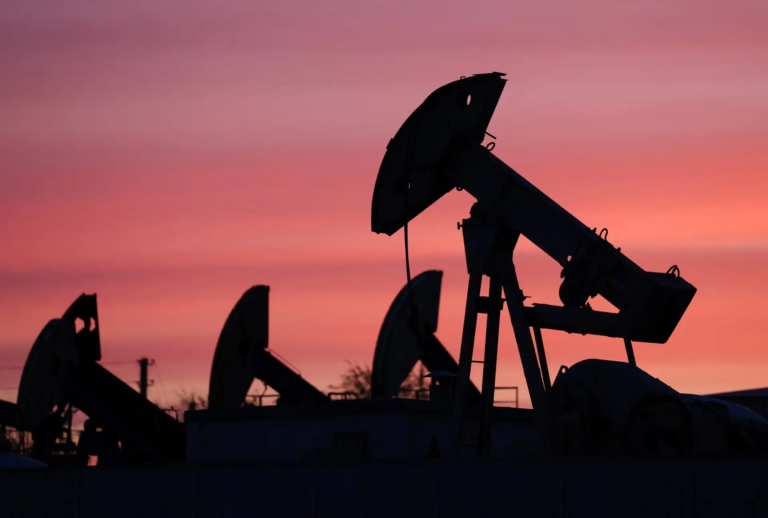
This surge in earnings was driven by volatile oil and gas prices triggered by the ongoing conflict in the Middle East, which began in late February.
CEO Wael Sawan credited the strong performance to the company’s operational focus during a period of unprecedented market disruption, even as total revenue remained steady at approximately $70 billion.
Read More : White House Hosts AI Leaders on Regulation
The energy giant benefited significantly from high prices at the pump and aggressive trading as global markets reacted to the closure of the Strait of Hormuz.
However, the conflict has also caused operational setbacks, including production shutdowns and significant damage to the Ras Laffan LNG hub in Qatar.
In response to these shifts, Shell recently moved to diversify its holdings by announcing a $16.4-billion acquisition of the Canadian firm ARC Resources to boost its shale gas capacity.
Read More : Egypt to Host Africa Business Summit
Despite the profit jump, Shell’s share price dipped as it announced a slightly slower pace for its quarterly share buybacks.
Analysts suggest this reflects a cautious approach by management as they monitor the war’s unpredictable trajectory.
While shareholders are receiving boosted dividends, the company continues to face criticism from climate campaigners who argue that fossil fuel giants are capitalising on a crisis that is placing a severe financial burden on households and drivers.