Trending

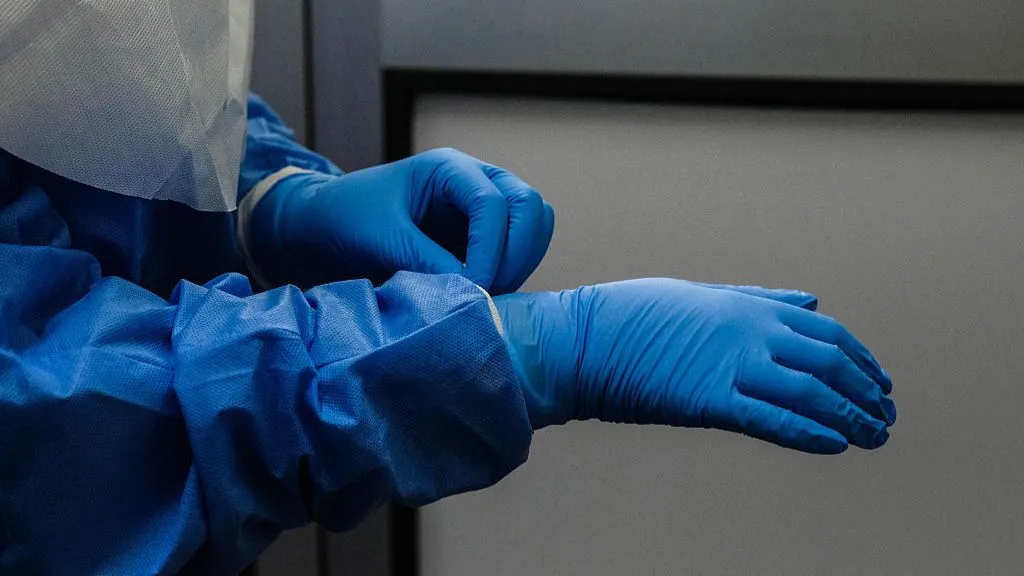
Uganda’s Minister of Health, Chris Baryomunsi, has declared the East African country Ebola-free following its latest outbreak, which infected 20 people and claimed two lives.
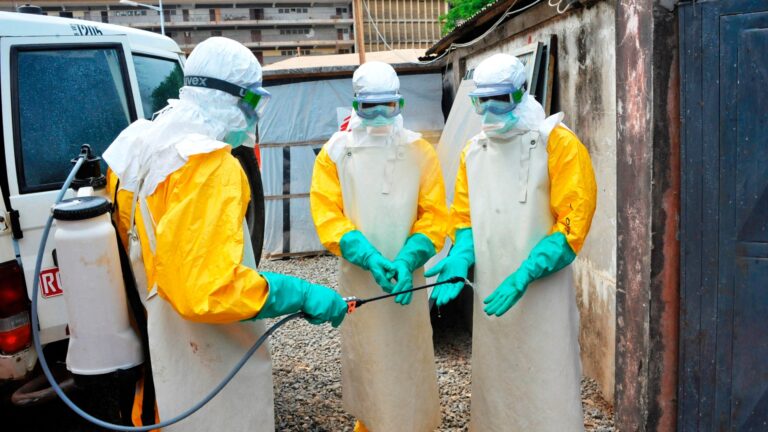
The country has experienced multiple Ebola outbreaks since 2000, and health officials say the country’s experience has enabled it to respond swiftly, contain infections and limit community transmission.
Fifteen of the 20 confirmed cases recorded during the latest outbreak were linked to neighbouring Democratic Republic of Congo, the epicentre of the wider epidemic, where more than 3,000 cases have been confirmed.
The last Ugandan patient infected through local transmission was discharged on June 16, triggering the mandatory 42-day countdown required by the World Health Organisation before an outbreak can be declared over.
A Congolese national who had been receiving treatment in Uganda was discharged on June 22.
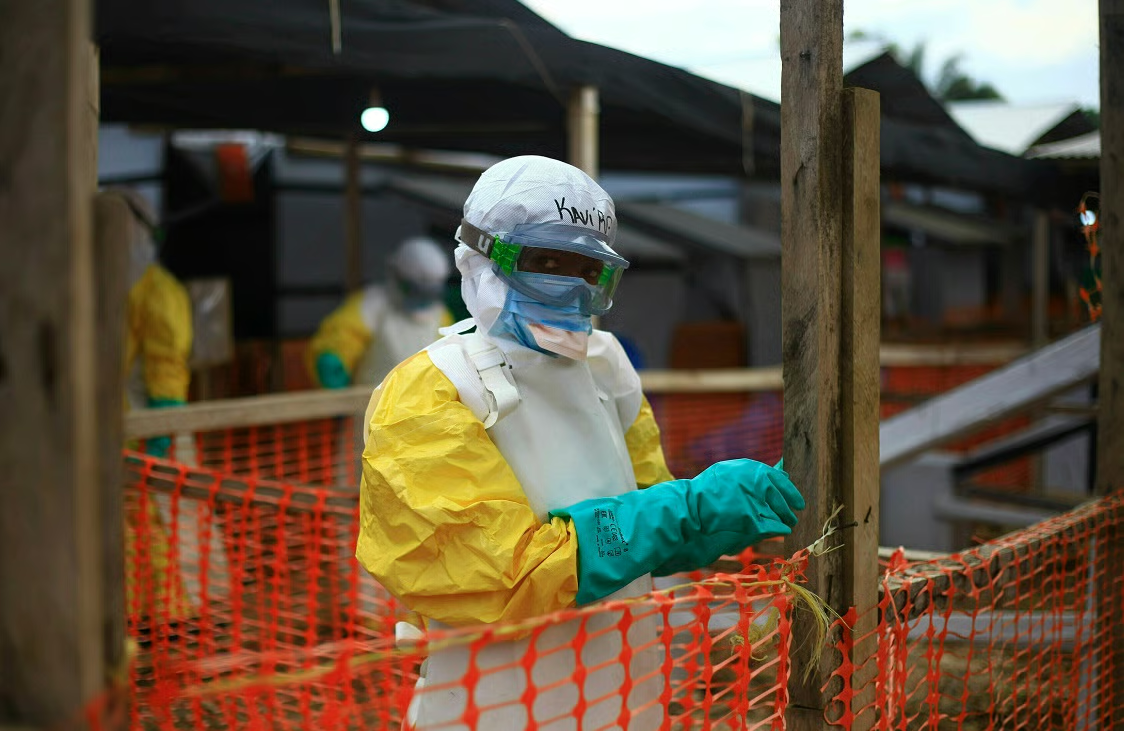
Announcing the end of the outbreak, Baryomunsi said the declaration followed the “successful completion of the mandatory 42-day monitoring period which begun after the discharge of the last Ugandan national, a locally transmitted patient, on the 16 of June, 2026.”
According to Reuters, 18 of the 20 confirmed patients recovered and were discharged, while two people, both nationals of the Democratic Republic of Congo, died from the disease.
“Throughout this period the ministry of health maintained intensive surveillance nationwide and no new Ebola cases have been detected,” Baryomunsi said.
Health officials say Uganda remains vulnerable to recurrent Ebola outbreaks because its tropical forests are home to fruit bats, the natural reservoir of the virus.
Ebola spreads through direct contact with the bodily fluids or tissues of an infected person. Symptoms include fever, severe headache, muscle pain, vomiting, diarrhoea and, in severe cases, internal and external bleeding.