Trending



Nigeria’s Minister of Works, David Umahi, revealed that the 750-kilometre Lagos-Calabar Coastal Highway lacks a single comprehensive engineering design, despite construction commencing in March 2024.
Speaking during an interview on Arise Television on Friday, Umahi explained that engineers design and cost the multi-trillion naira infrastructure project in separate sections rather than under one unified master plan.
He stated that his ministry’s archives contained no complete technical documents, subsoil investigations, or route-wide blueprints, even though officials first conceived the project decades ago.
Defending the project’s financial structure, Umahi challenged critics who estimate the total cost by multiplying an average figure across the full 750 kilometres.
He emphasised that varying terrains, bridge requirements, and technical demands across individual segments make a uniform cost calculation inaccurate.
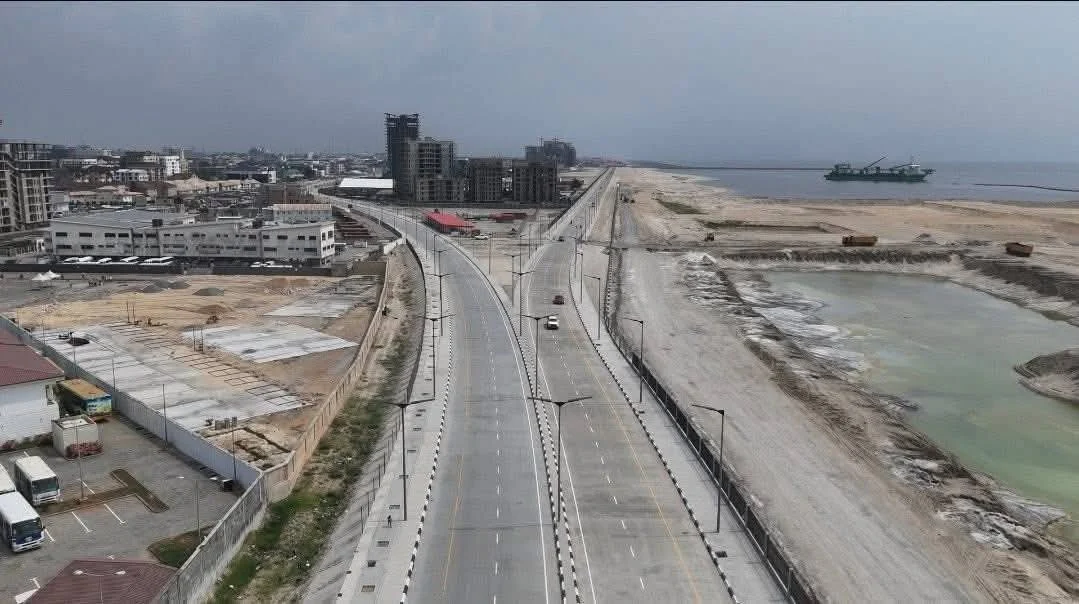
Comparing a section of the project to a coastal road in the Republic of Benin, the minister calculated that a standard two-lane carriageway costs approximately $5.5 million per kilometre.
Addressing questions on the overall design process, Umahi stated, “There is no one single design that the 750 kilometres of Lagos-Calabar Coastal Highway is based on. There’s no one single design.”
Read More : Kogi Police Probe Fatal Shooting of Two Officers
He further noted that the Federal Executive Council approved procuring the highway section by section following site-specific environmental assessments and soil investigations.
Responding to widespread public speculation regarding the project’s overall price tag, Umahi questioned, “Who fixed this N15tn that people are just brandishing everywhere? Who fixed it? And let me also clarify that nobody has the right to do an average cost and multiply by 750.”
The sectional approach continues to draw scrutiny regarding how the government will track total financial commitments and evaluate value for money.