Trending
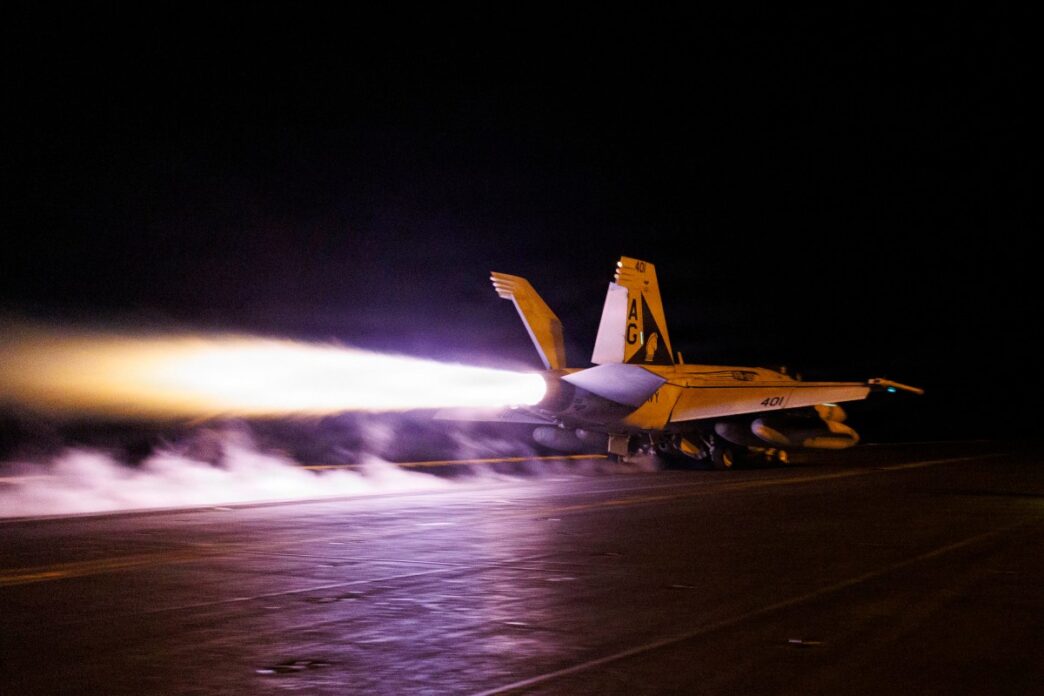
The United States military has launched a new wave of strikes against Iran, escalating a conflict that has drawn in regional allies and reignited fears of a wider Middle East war.
The strikes came after Iran launched attacks targeting US forces stationed in Jordan, ending a nearly week-long pause in fighting that had raised hopes for a return to diplomatic talks.
US Central Command described the operation as a “powerful response” to what it called Iran’s attempted attacks on American troops in the region.
“The strikes are a powerful response to yesterday’s attempted Iranian attacks on US forces based in the Middle East,” the command said in a statement.
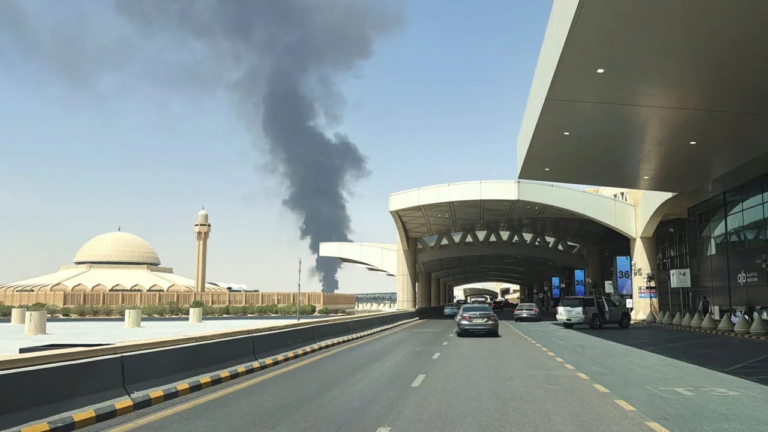
The latest escalation followed a series of confrontations involving Iran-backed groups across the region. Saudi Arabia and the United States also carried out strikes on militant positions in Iraq, after Riyadh accused Iran-aligned armed groups of targeting its oil facilities with drones.
Iran, meanwhile, launched missiles toward US ally Jordan, with Tehran’s state media later reporting an American strike near the country’s border with Iraq.
Iran’s Revolutionary Guards vowed to continue their campaign, saying, “As long as the threats against the Islamic Republic of Iran continue, the resistance will continue.”
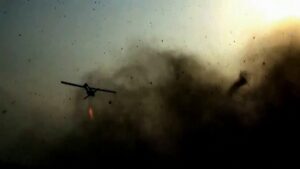
Jordan’s military said it intercepted five Iranian missiles, while Iranian officials claimed the attacks targeted US bases in the country.
The conflict has also intensified between Israel and Hezbollah, with Israel accusing the Iran-backed Lebanese group of violating a ceasefire after what it described as a drone attack on an Israeli vehicle inside Lebanon.
In Iraq, a joint US-Saudi operation targeted logistics and weapons facilities linked to Iran-backed groups. The Hashed al-Shaabi alliance said at least 20 of its members were killed, including Iranian advisers, and condemned the action as a “dangerous escalation.”
Iraq’s government rejected the strikes, saying it opposed “all acts of aggression” and would defend its sovereignty.
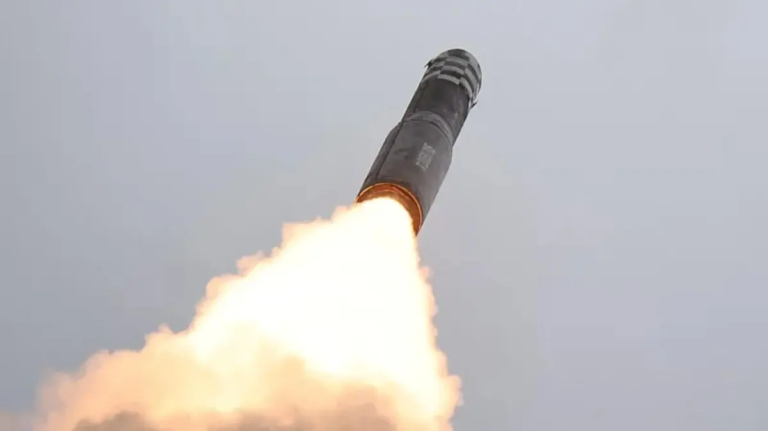
Read More : North Korea Fires Ballistic Missiles
The renewed fighting has also deepened concerns over global energy supplies, particularly around the Strait of Hormuz, a key route for oil shipments.
Iran has claimed control over the waterway and announced plans to introduce passage fees, while Washington has imposed fresh sanctions on entities linked to Iran’s Revolutionary Guards over alleged threats to commercial shipping.
With tensions rising across the region, the latest strikes have further complicated efforts to revive negotiations and prevent the conflict from spreading beyond current frontlines.