Trending
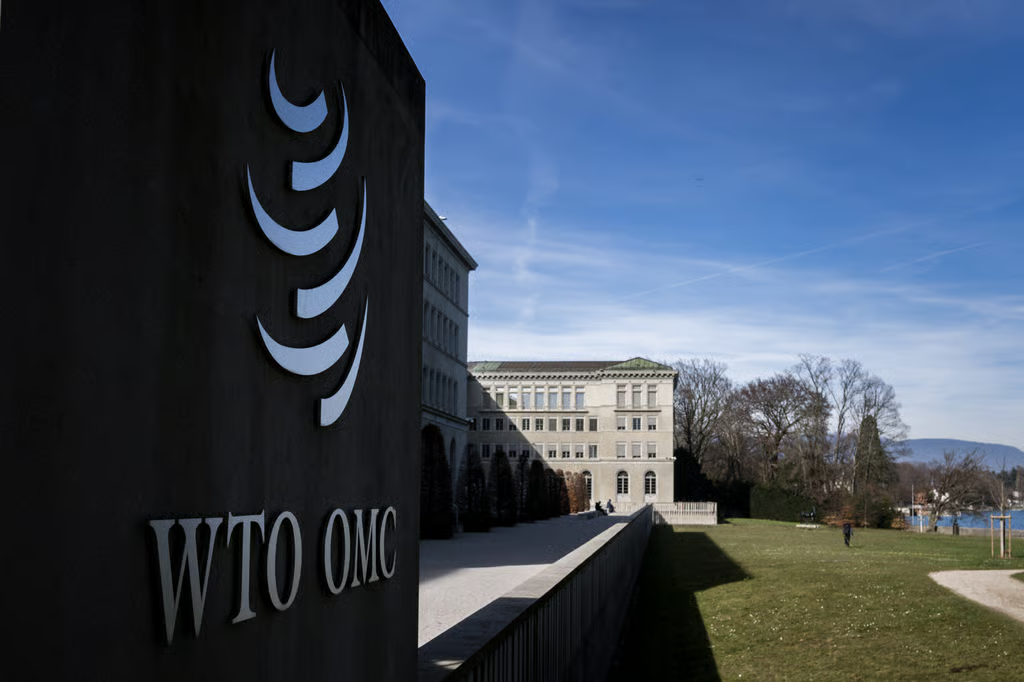
The outcome of the World Trade Organisation (WTO) ministerial conference talks currently underway in the Cameroon capital of Yaounde, which started on Thursday and is expected to end on Sunday afternoon, remains uncertain.
Trade ministers from around the world gathered for the WTO’s ministerial conference, its biennial supreme decision-making body, to discuss ways to reform the organisation.
European Trade Commissioner Maros Sefcovic, who spoke to reporters in Yaounde on Saturday, described the conference as a “defining moment (for) how the WTO would look in the future”.
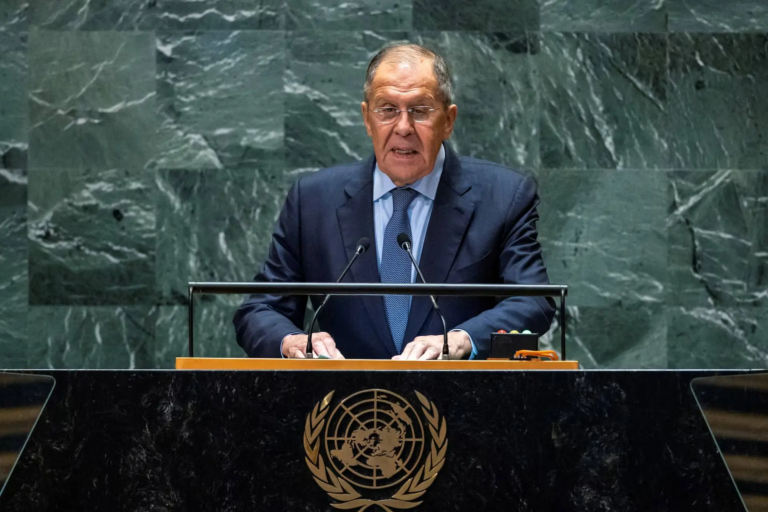
Read More : UNGA: Lavrov Offers Help in Gulf, Slams Europe
“You feel that the majority of the members understand that we need to reform WTO,” said Sefcovic.
“We will not give up on the positive results until the last minute, until the last second.”
Trade ministers have been discussing intensifying trade tensions and global economic turmoil linked to the Middle East war and how best to develop an action plan to revitalise an institution weakened by geopolitical strains, stalled negotiations and rising protectionism.
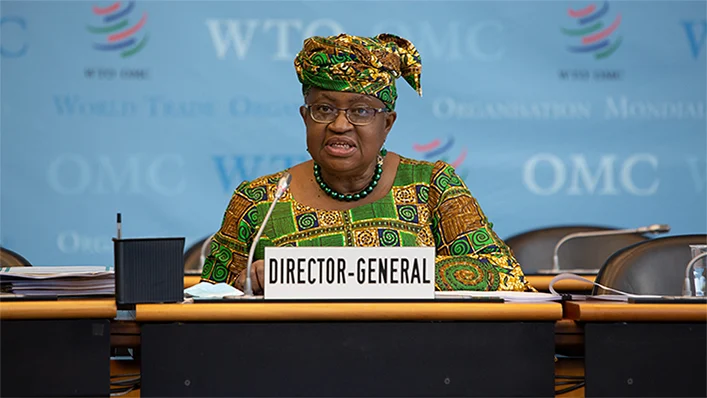
Aside from reform, trade ministers are also holding thorny talks on key issues like agriculture, fisheries, and e-commerce, for which the outcomes remain unclear.
Countries are seeking consensus on a declaration on agriculture, trade and global food security, aimed to lay the groundwork for continued negotiations, and are re-examining something similar on fisheries, with negotiations towards a ban on subsidies that encourage overfishing and overcapacity remaining stalled amid reluctance from India and the US.
Discussions on agriculture have been so deeply divided that countries have been unable to even agree on a programme of work for several years.
According to several sources close to the negotiations, ministers appeared on track to again extend a moratorium on customs duties on electronic transmissions, after India lifted its veto. No significant agreements were expected in the meantime on the key issues of agriculture and fisheries.
The moratorium exempting e-commerce from tariffs has been renewed every two years since it was put in place in 1998, but had risked lapsing when it expires on March 31.
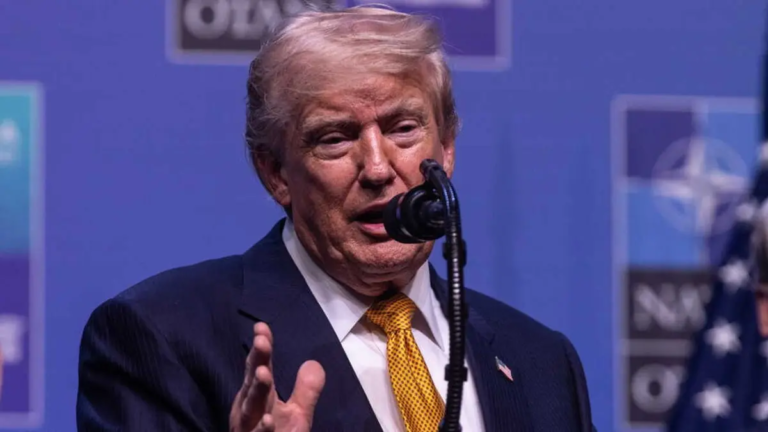
Read More : Trump Rejects Iran Proposal To Reopen Hormuz