Trending
Today, colourful parades, march-pasts and speeches will echo across Nigeria as the country marks Children’s Day, an annual event dedicated to celebrating the nation’s youngest citizens. Government officials, educators and advocacy groups will speak about hope, inclusion and the future of Nigerian children.
Yet beneath the fanfare lies a troubling reality: millions of Nigerian children continue to battle hunger, insecurity, displacement and lack of access to education.
Since Nigeria first observed Children’s Day on May 27, 1964, the occasion has become a platform for drawing attention to the challenges confronting children and for renewing commitments to their welfare, protection and development.
Read More : Naira Trades at ₦1,332 Per Dollar
This year’s theme, “Future Now: Promoting Inclusion for Every Nigerian Child,” focuses on ensuring that no child is excluded from development because of disability, poverty, religion, ethnicity or geographical location. The celebration also aligns with President Bola Tinubu’s declaration of 2026 as the “Year of Families and Social Development.”
Speaking during the unveiling of the theme in Abuja on Tuesday, the Minister of Women Affairs and Social Development, Imaan Sulaiman, described Children’s Day as a moment for national reflection and accountability rather than a mere ceremony. She stressed that with children accounting for more than 40 per cent of Nigeria’s population, their welfare and protection remain critical to the country’s future.
Similarly, the United Nations Children’s Fund (UNICEF) Nigeria’s Acting Chief of Child Protection, Mona Aika, urged the government to use the occasion to strengthen policies that protect children and ensure that young people, especially adolescent girls, are included in decisions that affect their lives.
However, while speeches and promises dominate the celebrations, the realities confronting many Nigerian children remain severe.
Across several parts of the country, children have become victims of terrorism, banditry and violent abductions, particularly in the North-East, North-West and North-Central regions. Schools that should serve as safe spaces for learning have increasingly become targets of attacks, forcing many families to withdraw their children from classrooms.
Nigeria also continues to grapple with one of the world’s highest numbers of out-of-school children, with UNICEF placing the figure at 10.5 million. It further noted that one out of every five out-of-school children globally is Nigerian. Despite policies guaranteeing free and compulsory primary education, millions of children remain outside the school system.
The situation is particularly dire in northern Nigeria, where school attendance rates among girls remain alarmingly low. In several states across the North-East and North-West, more than half of school-age girls are reportedly not enrolled in school, largely due to poverty, insecurity, early marriage and cultural barriers.
Children living with disabilities face even greater exclusion. Reports indicate that over 95 per cent of Nigerian children with disabilities are out of school, leaving millions without access to basic education and social opportunities.
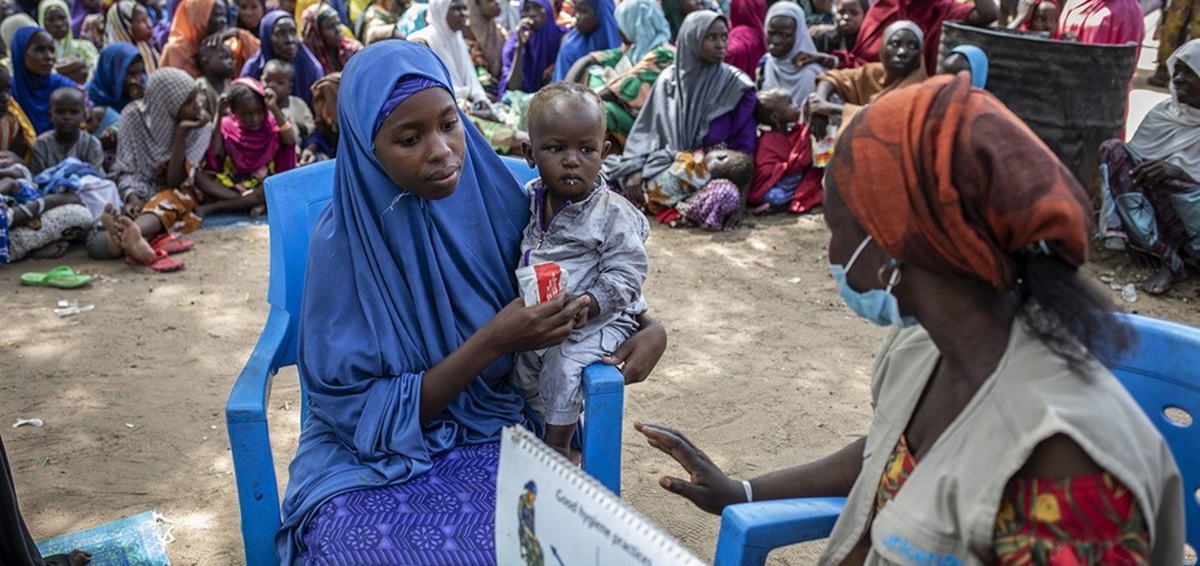
Beyond education, child poverty and malnutrition continue to deepen. According to UNICEF, approximately 11 million Nigerian children under the age of five suffer severe food poverty, consuming far fewer than the recommended food groups required for healthy development.
Rising inflation and worsening economic conditions have further strained households already struggling to survive.
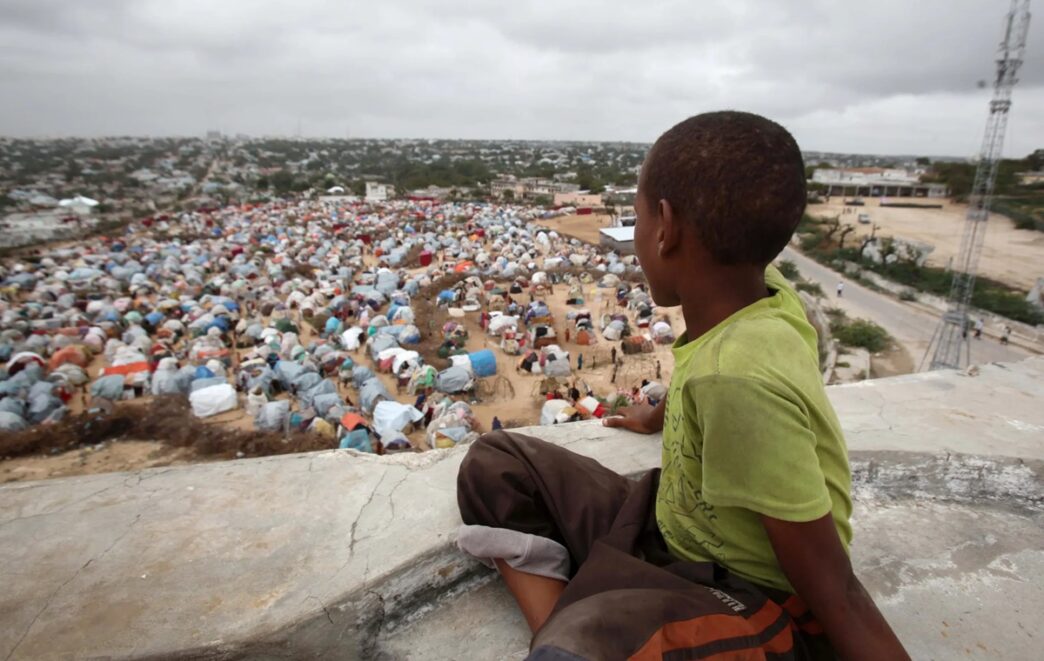
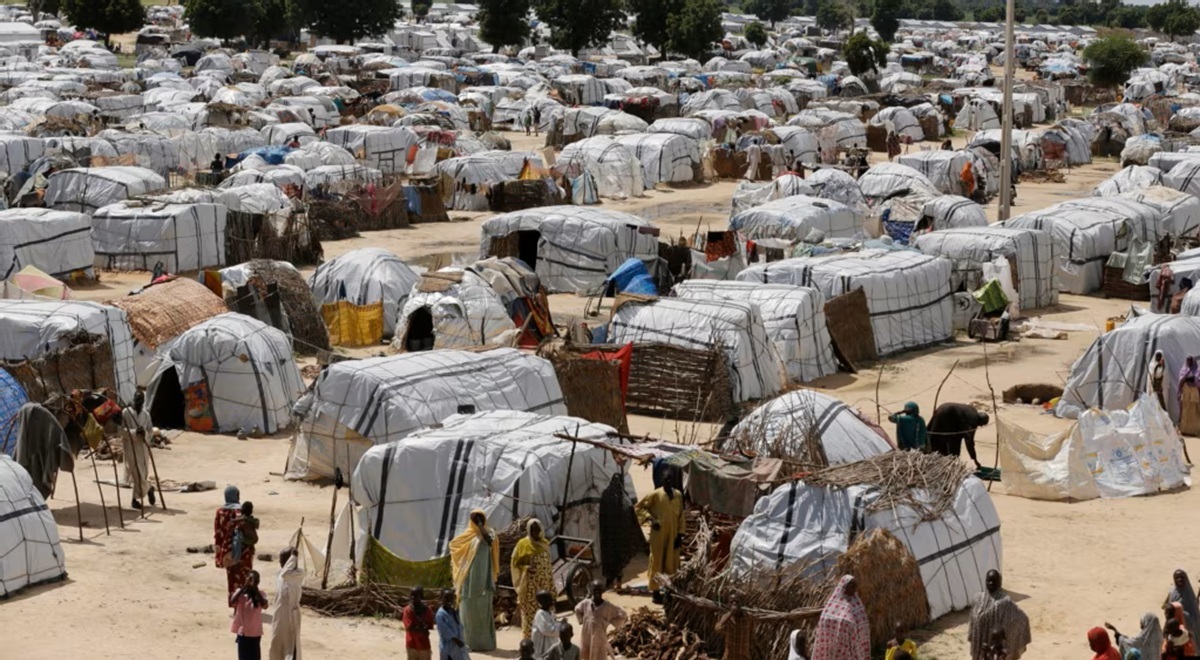
Conflict and climate-related disasters have also displaced millions of children across the country. Armed violence, insurgency, communal clashes and flooding have forced countless families from their homes, with children making up a significant proportion of internally displaced persons in Nigeria, with a record of over seven million.
In states such as Borno, Adamawa and Yobe, as well as parts of the North-West and North-Central regions, many displaced children now grow up in camps and temporary shelters, cut off from stable education, healthcare and protection.
Despite these challenges, experts insist the crisis facing Nigerian children is not beyond solution. Increased investment in education, healthcare, nutrition and child protection systems could significantly improve outcomes for millions of vulnerable children.
Read More : NAFDAC Probes NYSC Corps Member’s Death in Enugu
Advocates have also continued to call for stronger security measures around schools, better welfare support for displaced families, expanded social intervention programmes and stricter enforcement of child protection laws.
As Nigeria marks another Children’s Day, the celebration once again shows a difficult contradiction: while children are widely described as the future of the nation, many continue to face conditions that threaten that very future.
For many observers, the true meaning of Children’s Day will not be measured by speeches or ceremonies, but by the extent to which governments and society act decisively to ensure that every Nigerian child has access to safety, education, healthcare and opportunity.