Trending
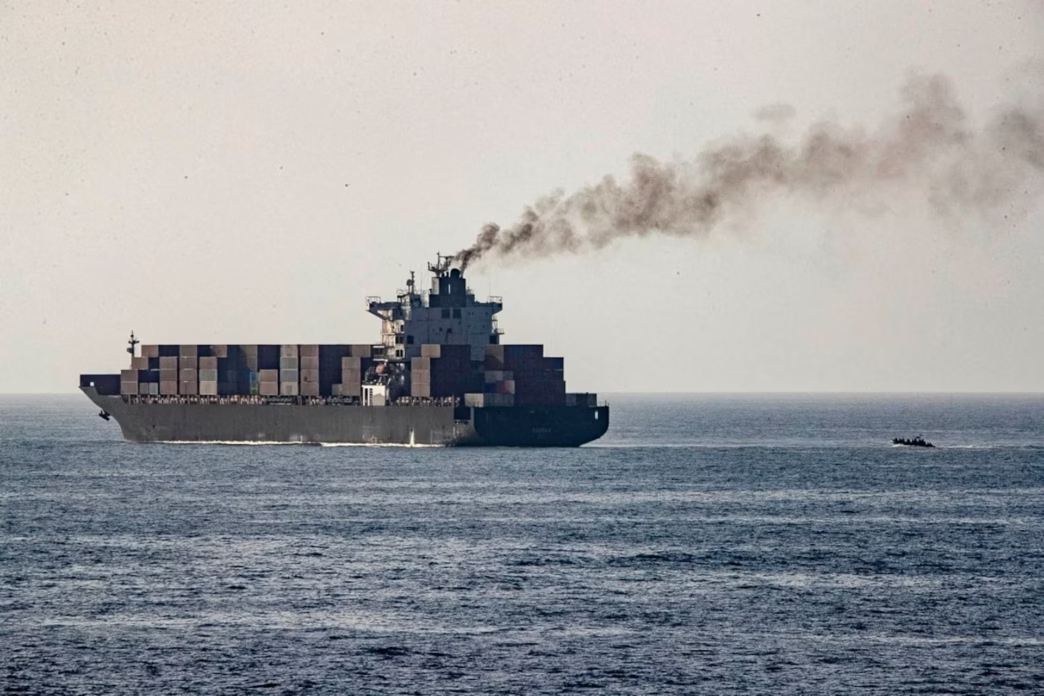
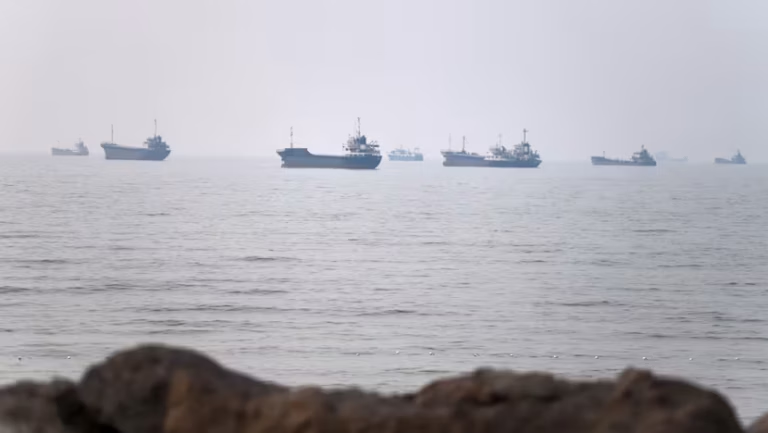
The first tankers carrying Iranian oil successfully exited a U.S. naval blockade in the Strait of Hormuz on Wednesday, according to tracking data.
The ship movements occurred just two days before Washington and Tehran launch critical peace talks in Switzerland.
News of the reopening of the Strait immediately sent global oil prices tumbling, with Brent crude dropping to $78.74 a barrel and US West Texas Intermediate falling to $75.85.
Read More : United Russia Expands Duma Control
The tracking website TankerTrackers verified the breakthrough using digital data and satellite imagery, confirming Iran’s first crude oil exports in two months.
At least three supertankers bypassed the U.S. Navy blockade perimeter, with the first two carrying a combined 3.8 million barrels of crude.
The Wall Street Journal reported that the United States will immediately waive sanctions on oil sales, banking, insurance, and shipping once officials sign the deal.
The framework agreement—already signed electronically by President Donald Trump, Vice President JD Vance, and Iranian officials—paves the way for a 60-day negotiating window starting Friday at the Bürgenstock Resort.
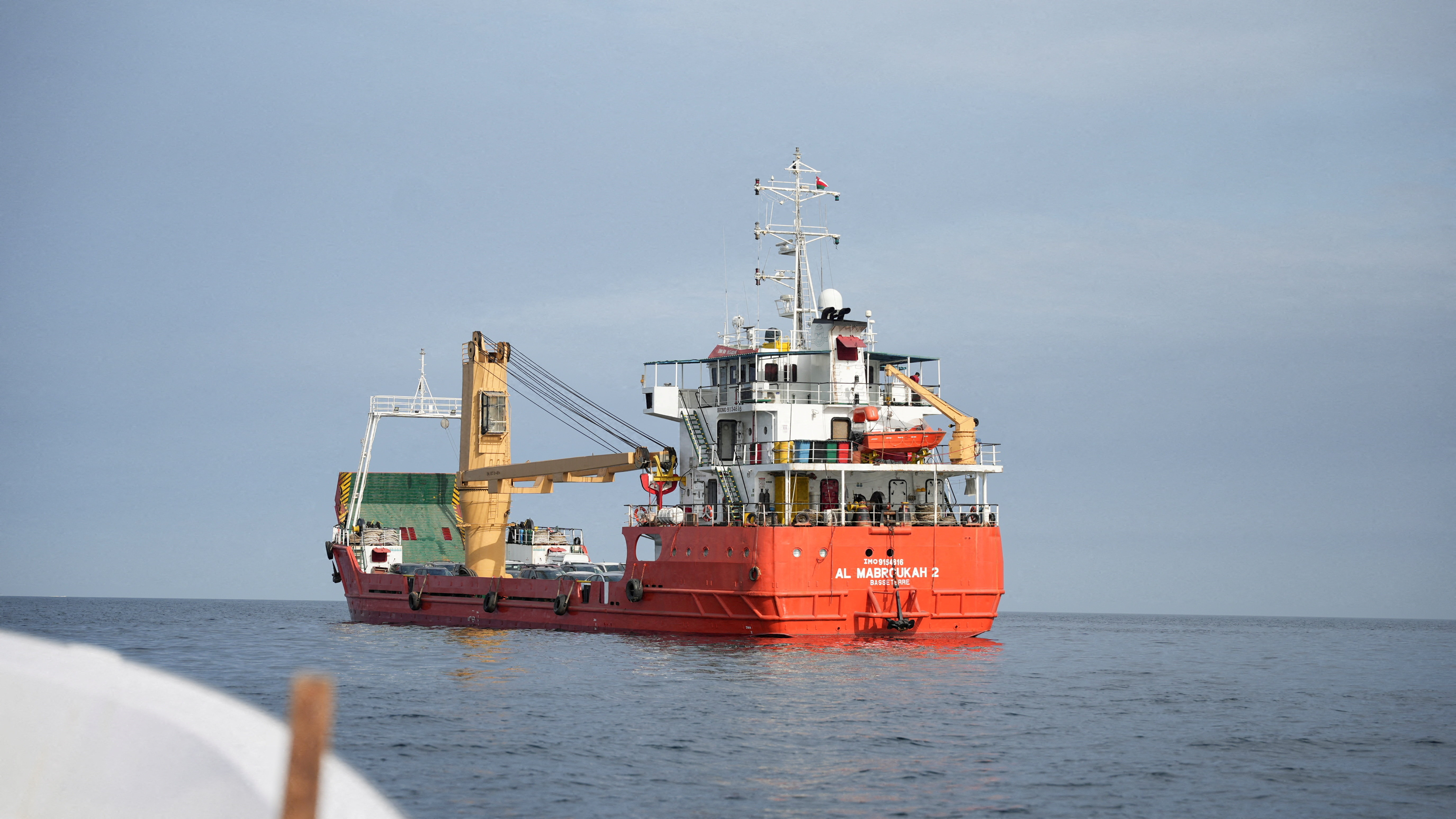
These upcoming talks must resolve highly contentious issues, including the future of Iran’s nuclear programme and the permanent lifting of international economic sanctions.
The U.S. and Israel want to strip Iran of its highly enriched uranium stockpile, while Tehran fiercely defends its right to enrichment.
Read More : Russia Slams EU Sanctions On Media Figure
Domestic and regional tensions still threaten the fragile diplomatic thaw.
Senate Republicans, including Majority Leader John Thune, demanded a review of the text amid concerns over reports that the deal will release $12 billion in frozen Iranian assets.
Meanwhile, fresh Israeli air strikes in southern Lebanon killed four people on Wednesday, prompting Iran’s military to warn of a harsh response and highlighting the risk that the parallel conflict with Hezbollah could spoil the peace process.