Trending
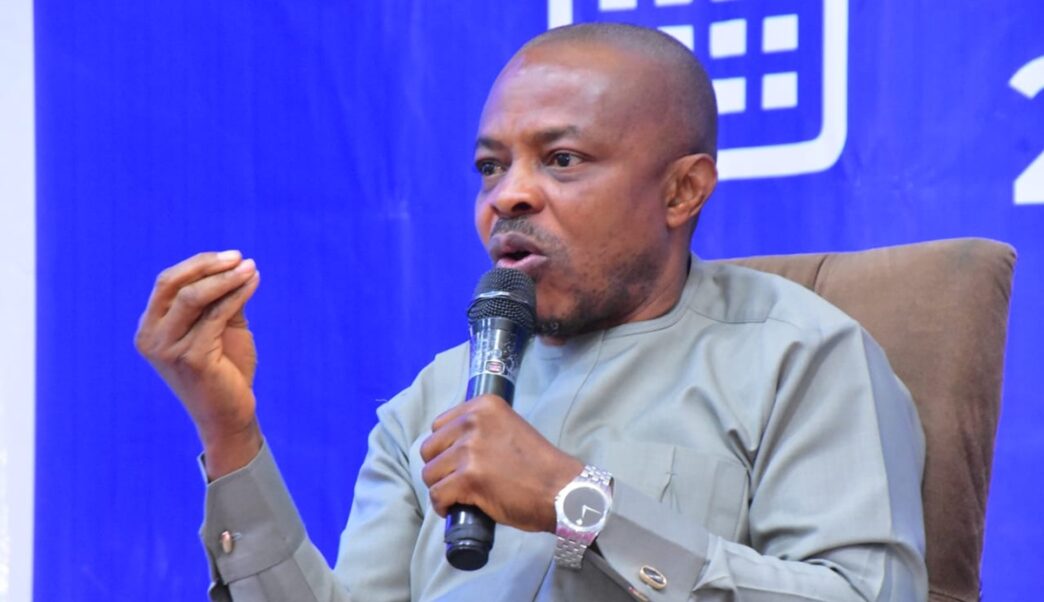
The Nigeria Labour Congress and the Trade Union Congress announced on Monday that they will restart negotiations with the Nigerian government over a new national minimum wage.
Speaking at the 114th International Labour Conference in Geneva, union leaders warned that skyrocketing inflation has eroded real incomes, leaving workers unable to cope with rising living costs.
The unions are pushing for a genuine living wage that reflects Nigeria’s current economic realities, specifically citing sharp increases in food, transport, housing, and healthcare costs.
Read More : Oghara Applauds New Technical College
Organised labour and the Nigerian government previously signed the current N70,000 minimum wage into law in July 2024.
While the original agreement established a three-year review cycle, the Nigerian government adjusted the framework in January 2025 to mandate reviews every two years, which sets July 2026 as the next renegotiation timeline.
Labour leaders intend to formally write to the Nigerian government immediately to open discussions ahead of the deadline and prevent the painful delays that plagued past reviews.
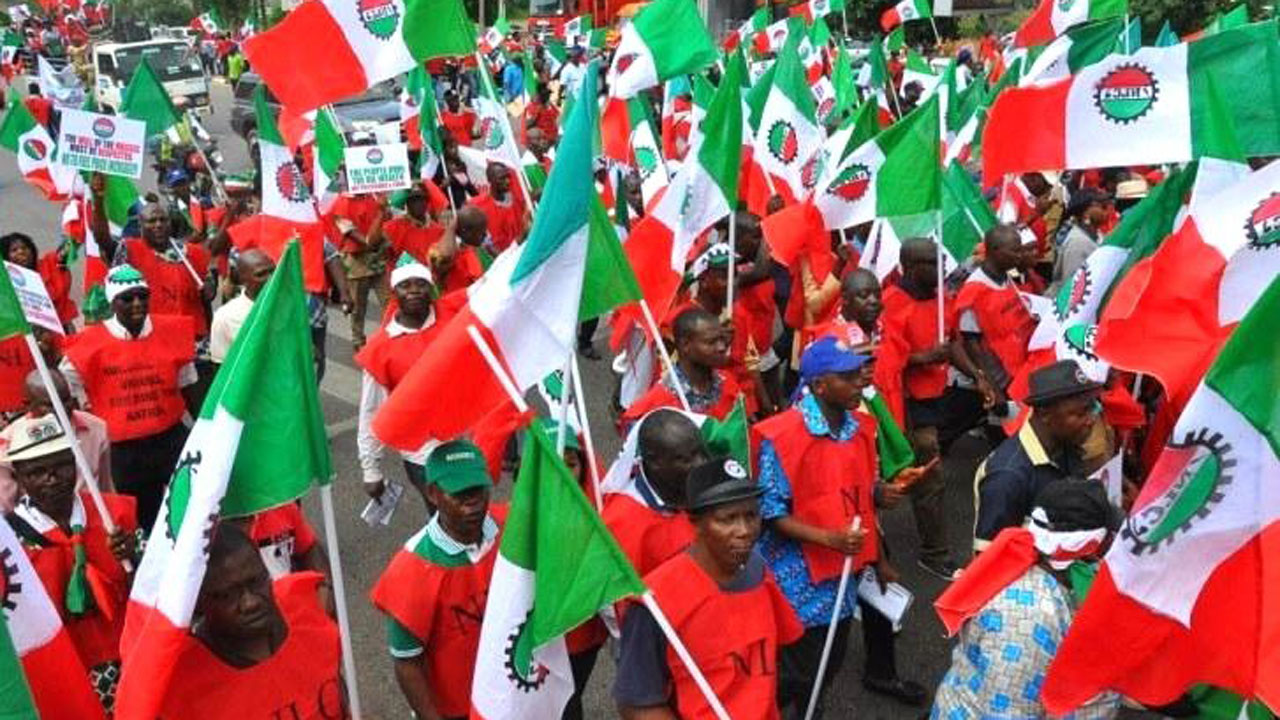
The unions also used the global platform to reject outright any proposals to tax the minimum wage or impose additional fiscal burdens on low-income earners, arguing such moves would worsen poverty.
Beyond wage adjustments, the labour movement highlighted broader national crises, including severe unemployment and rising poverty levels.
They noted that approximately 65 per cent of Nigerians, or 150 million people, currently endure multidimensional poverty due to declining purchasing power.
Worsening national insecurity also formed a central part of the unions’ address.
Read More : Motorist Survives Lagos Train Collision
Leaders revealed that violence killed nearly 2,000 people in the first quarter of the year alone, making daily commuting highly dangerous for workers.
They warned the Nigerian government that unaddressed violence could force workers to stay home simply to survive, which could trigger tensions far beyond traditional strike actions.
Looking ahead to the 2027 general elections, the unions are drafting a charter of demands and will only back political candidates who commit to wage reforms, security, and the protection of labour rights.