Trending


The Nigerian Government has announced plans to abolish the policy that separates Junior Secondary Schools (JSS) from Senior Secondary Schools (SSS), citing concerns about the high number of students dropping out before reaching the senior secondary level.
The Minister of Education, Tunji Alausa, said the decision followed findings that more than 20 million pupils fail to transition from primary school to junior secondary school.
Speaking on Tuesday at the inauguration of the Universal Basic Education Commission (UBEC) Ministerial Implementation and Monitoring Committee, Alausa said the “disarticulation policy,” which requires JSS and SSS to operate separately with different principals and facilities, has failed to achieve its intended objectives.
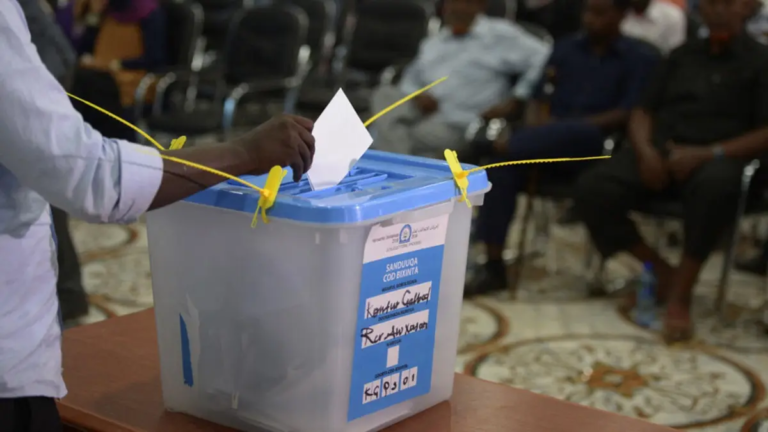
Read More : Somalia Sets Election Dates
“We have 20 million dropouts from primary school to JSS. Where are those students? We also found we have 80,000 public primary schools and only about 15,000 junior secondary schools. That’s a one-to-eight ratio,” Alausa said.
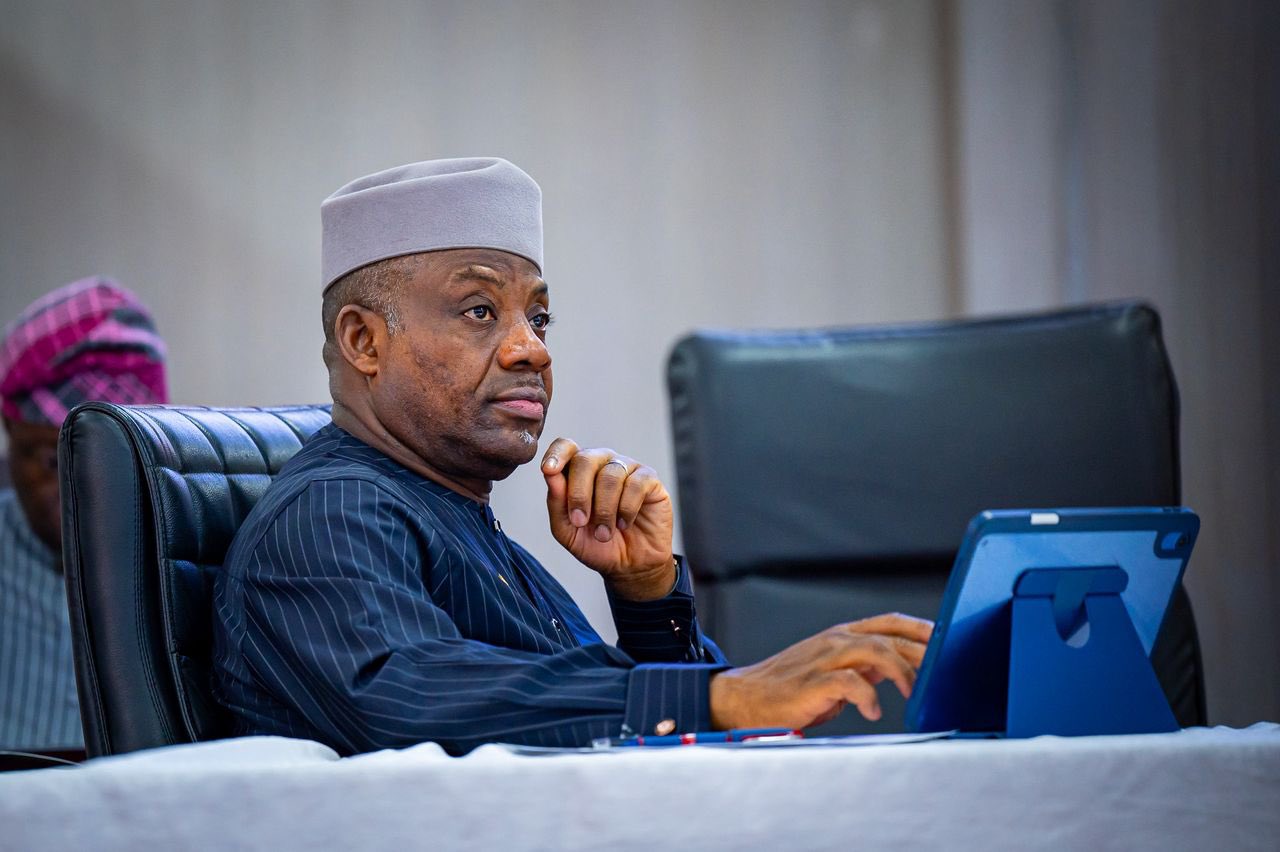
The minister said the imbalance has created overcrowding in junior secondary schools while leaving many senior secondary schools underutilised.
“This disarticulation policy has failed. We will phase it out. We can’t be creating positions because we want to create a director level for people while we harm our education system. It’s about doing what is best for every Nigerian child,” he added.
Read More : IMF Raises Africa Growth Forecast
Alausa said the proposal to abolish the policy will be presented at the next meeting of the National Council on Education for consideration.
At the event, the minister also inaugurated a committee chaired by Professor Rashid Aderinoye to oversee the implementation of UBEC-funded Smart Schools, Bilingual Schools and Alternative Schools across the country.
According to him, the committee is tasked with ensuring the projects are completed, handed over to state governments and opened for teaching and learning.