Trending

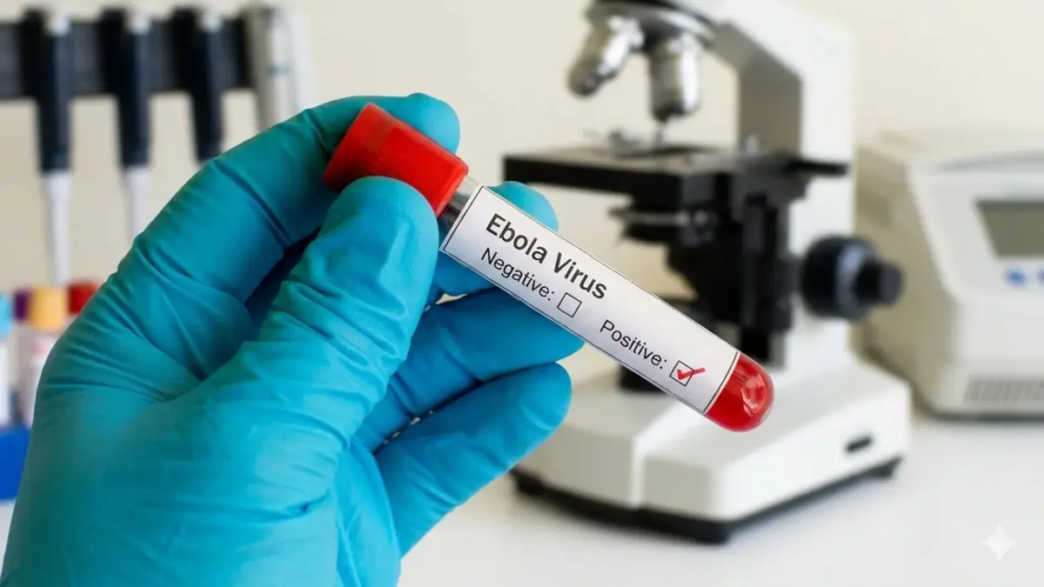
Nigeria has confirmed that its first Ebola case is caused by the Bundibugyo strain, the same variant driving a major outbreak in the Democratic Republic of Congo (DRC).
Officials made the confirmation at an emergency meeting on Wednesday, where they said the patient was a woman who travelled from Uganda to Abuja on October 3, according to the Nigeria Centre for Disease Control and Prevention (NCDC).
Olajumoke Babatunde, the NCDC’s director of public health laboratory services, said laboratory investigations involving three rounds of molecular testing identified the Bundibugyo strain.
“We did three levels of tests, but all molecular. The strain was Bundibugyo,” Olajumoke Babatunde said.
The World Health Organisation (WHO) also confirmed the finding.
No approved vaccine or specific treatment exists for the Bundibugyo strain, raising concerns as the outbreak spreads across parts of Africa.
“This person is actually a diplomat,” another official said, adding the patient has deteriorated into “multi-organ failure”.
The official did not disclose the diplomat’s nationality.
Uganda was declared Ebola-free by the WHO in August after recording 20 cases, most of them involving people who had travelled from the DRC. However, the outbreak has continued to spread.
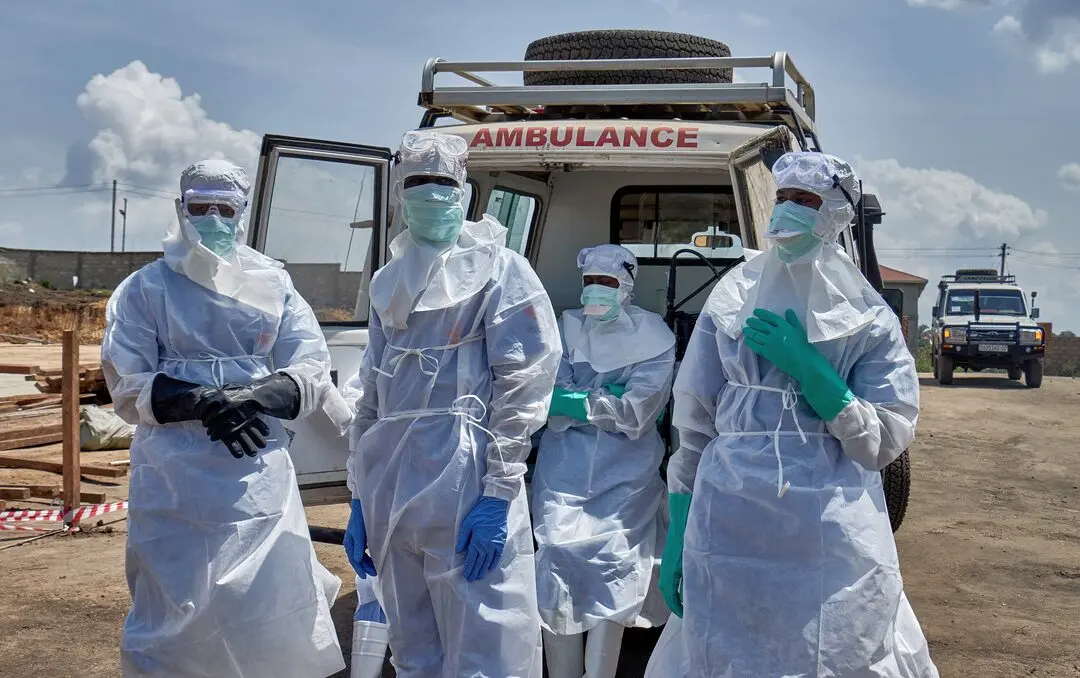
Africa Centres for Disease Control and Prevention Director General Jean Kaseya warned on Tuesday of “an extremely serious threat” as Kenya also declared its ninth Ebola case and fatality rates fast edging towards 50 per cent in the DRC.
Health authorities in the DRC have reported more than 9,000 confirmed cases and 4,381 deaths, making the current epidemic the deadliest Ebola outbreak in the country’s history.
Kaseya urged the international community to respond urgently, warning that the outbreak had spread beyond central Africa into the continent’s eastern and western regions.
He described the Bundibugyo outbreak as the most geographically widespread Ebola outbreak in history, affecting multiple countries across three African regions.
“My appeal to the international community is urgent: ACT NOW.
“This Ebola Bundibugyo outbreak has already become the most geographically widespread Ebola outbreak in history, affecting multiple countries across three regions of Africa,” Kaseya said.
Read More : Oyebanji Appoints Four Infrastructure Advisers
In Nigeria, authorities have identified 44 contacts of the infected diplomat and are monitoring them while working to trace additional people who may have been exposed.
The WHO also said it was strengthening infection prevention and control measures at the private hospital where the patient initially sought treatment.
Nigeria last experienced an Ebola outbreak in 2014.