Trending

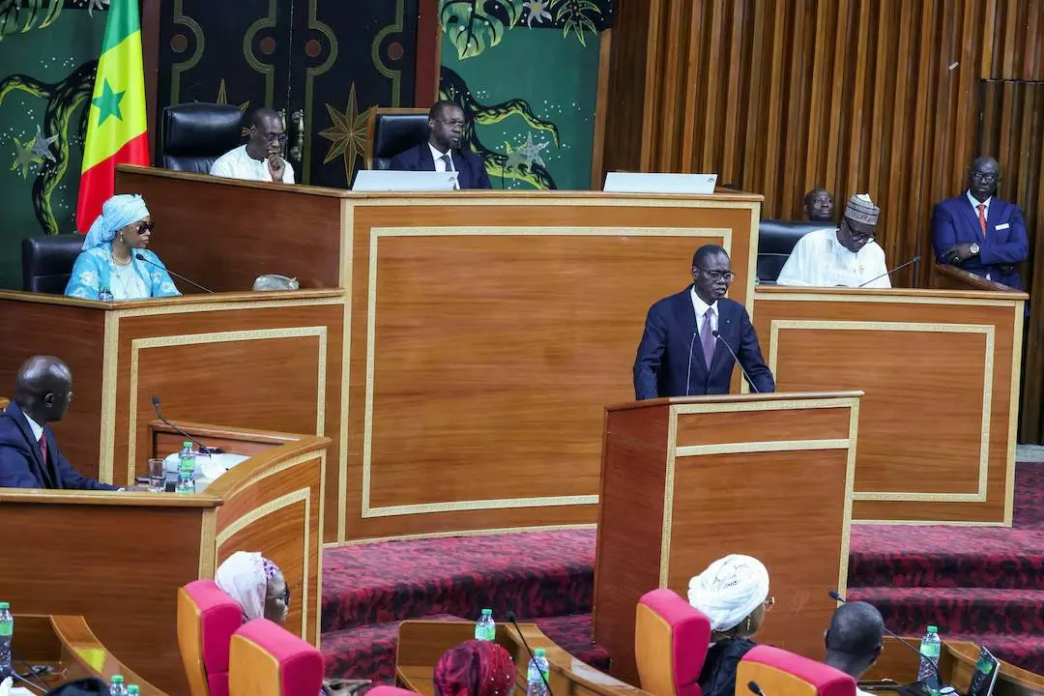
Senegal’s ruling Pastef party has rejected a 2026 revised budget bill during a parliamentary committee review, dealing a heavy blow to government efforts to manage the nation’s massive public debt.
Holding 130 of the National Assembly’s 165 seats, the party’s rejection signals the measure’s almost certain failure when it comes before the full legislature on Tuesday.
The legislative standoff directly threatens the government’s strategy to address public-sector debt—which reached 132 per cent of GDP at the end of 2024—and complicates a preliminary $2.2-billion IMF debt stabilisation package utilising an enhanced G20 Common Framework mechanism.
Read More : Senegal’s Sall Pulls Out of UN Race
The budget clash highlights an escalating political rift between President Bassirou Diomaye Faye and Pastef leader Ousmane Sonko, the former prime minister whom Faye dismissed in May.
Sonko denounced the government’s proposed debt resolution mechanism and declared that his party would accept neither the 2026 supplementary finance bill nor a 2027 draft budget in their current forms.
Mere Rubber-Stamp Body
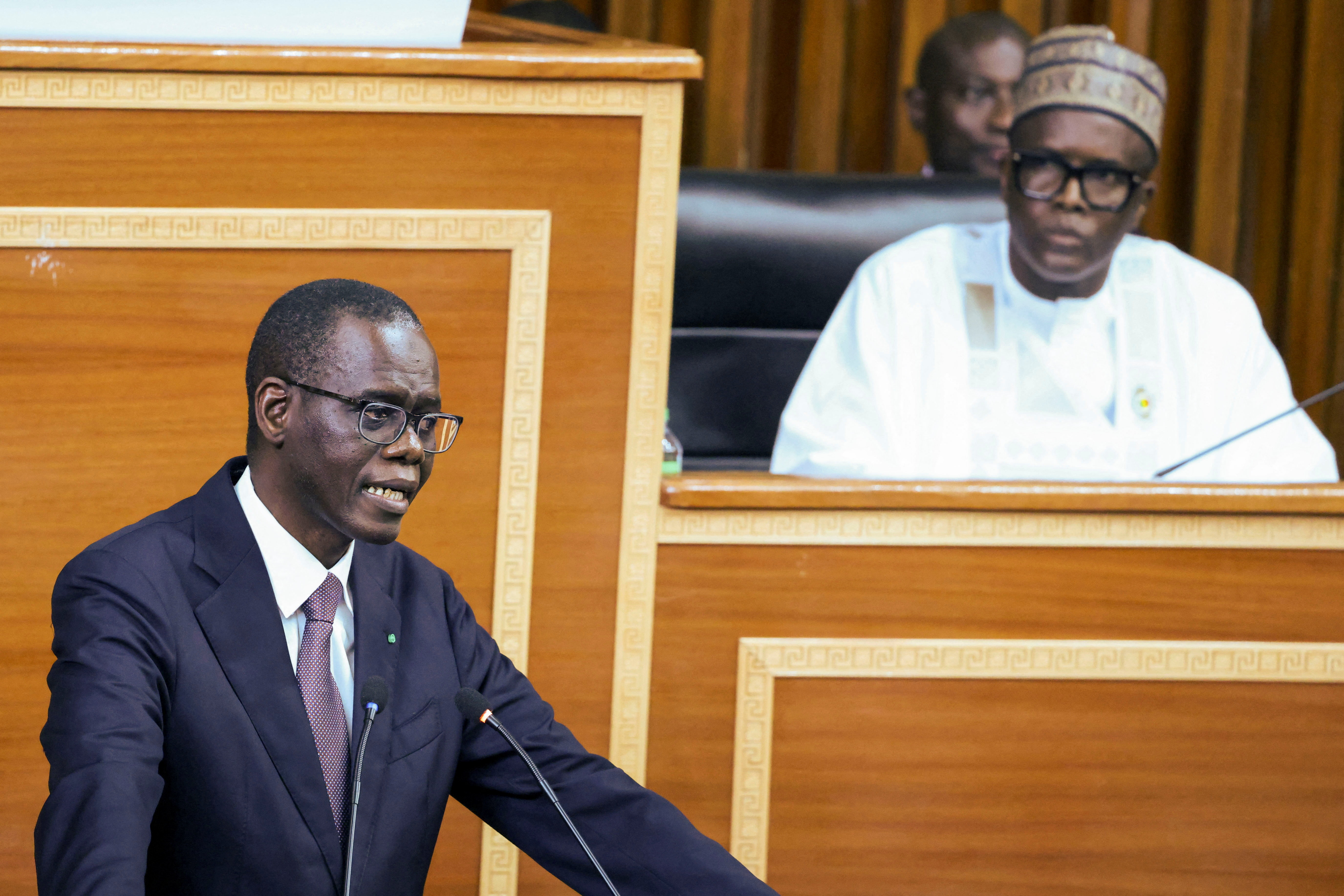
Emphasising that parliament is not a “mere rubber-stamp body,” Pastef issued a statement affirming that while it does not reject “the necessity of revising the budget,” it maintains fundamental “disagreements regarding specific budgetary trade-offs, chosen financing methods and insufficient guarantees provided to Parliament.
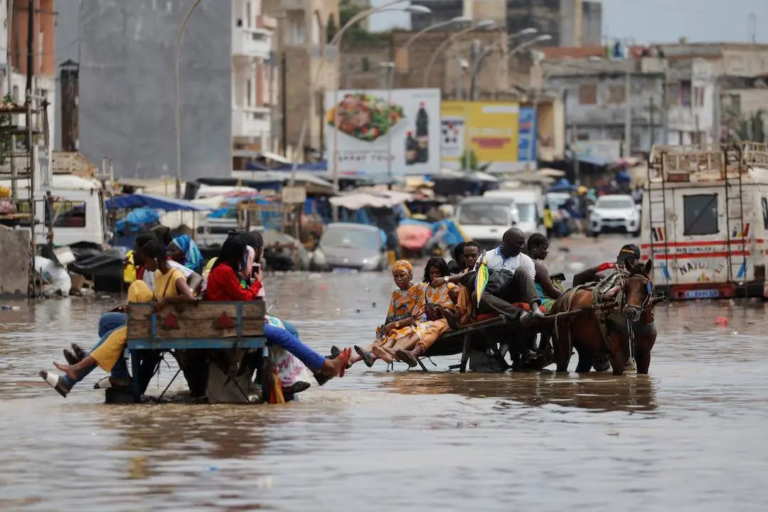
Read More : Senegal Postpones New School Year Over Flooding
“Despite blocking the bill, Pastef signalled a willingness to negotiate before Tuesday’s plenary vote if the executive branch restores vital public funding.
The party demanded that the government re-examine planned spending cuts affecting healthcare, education, job training, and water infrastructure while prioritising household purchasing power and energy cost reductions.
Pastef reiterated that it remains “open to dialogue with the government ahead of the plenary session, to reach an agreement” that protects essential social services while tackling the country’s fiscal crisis.