Trending

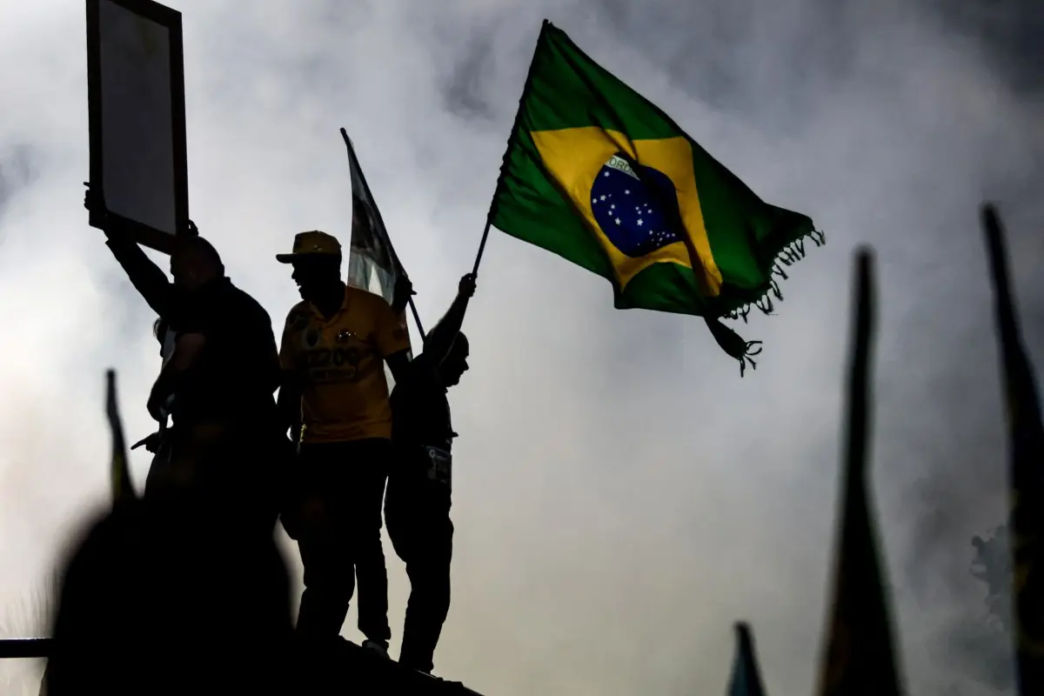
Brazilians headed to the polls on Sunday for a closely contested presidential runoff between incumbent President Luiz Inácio Lula da Silva and right-wing Senator Flávio Bolsonaro, in an election that could reshape the political direction of Latin America’s largest country.
Lula, who turns 81 next week, is seeking a fourth non-consecutive term after finishing behind Bolsonaro in the first round. Final opinion polls showed the two candidates in a tight race, leaving the outcome uncertain as voters chose between extending Lula’s left-wing government and returning Brazil to right-wing leadership.
The election also carries wider regional significance. A Bolsonaro victory would add Brazil to a broader shift towards the political right in Latin America and could bring Brasilia closer to US President Donald Trump’s administration.
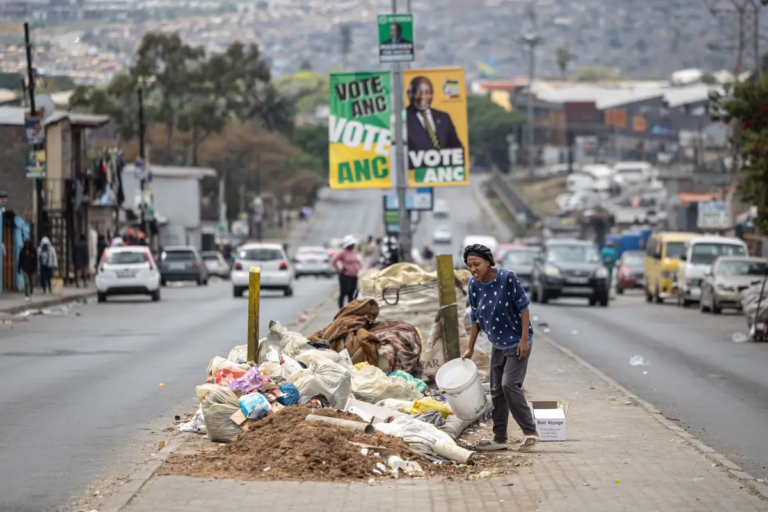
Read More : ANC Faces Voter Backlash Over Municipal Failures
Lula has presented himself as a defender of Brazil’s democratic institutions and sovereignty, while promising to maintain and expand social welfare programmes. His government points to lower unemployment, declining inflation, and reduced hunger, although many voters remain dissatisfied with living costs and public security.
Flavio Bolsonaro, 45, has campaigned on tougher crime policies, lower government spending and political change. He has also promised to pardon his father, former President Jair Bolsonaro, who is serving a 27-year sentence following his conviction over an attempted coup after the 2022 presidential election.
The former president’s record remained a major issue throughout the campaign. Lula’s supporters organised large rallies warning against a Bolsonaro return, pointing to Jair Bolsonaro’s handling of the Covid-19 pandemic, environmental policies and reductions in public programmes.
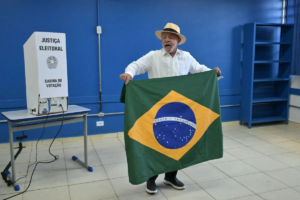
Flavio Bolsonaro, however, has sought to present himself as more moderate than his father while retaining the conservative political movement that helped propel him to first place in the opening round.
Economic concerns have also shaped the campaign. Lula remains popular among lower-income voters for social programmes credited with helping millions of Brazilians, particularly in the country’s northeast. Critics, however, have questioned increased welfare spending and called for tighter control of public finances.
Public security has provided Bolsonaro with another opening as voters express concern about crime and insecurity.
The campaign has also played out heavily online. After his first-round defeat, Lula increased his social media presence as both camps competed aggressively for voters across digital platforms. His campaign accused Meta, the parent company of Facebook, Instagram and WhatsApp, of unfairly treating some political advertisements. Meta denied favouring Bolsonaro but acknowledged that some Lula campaign adverts were mistakenly deactivated because of technical problems.
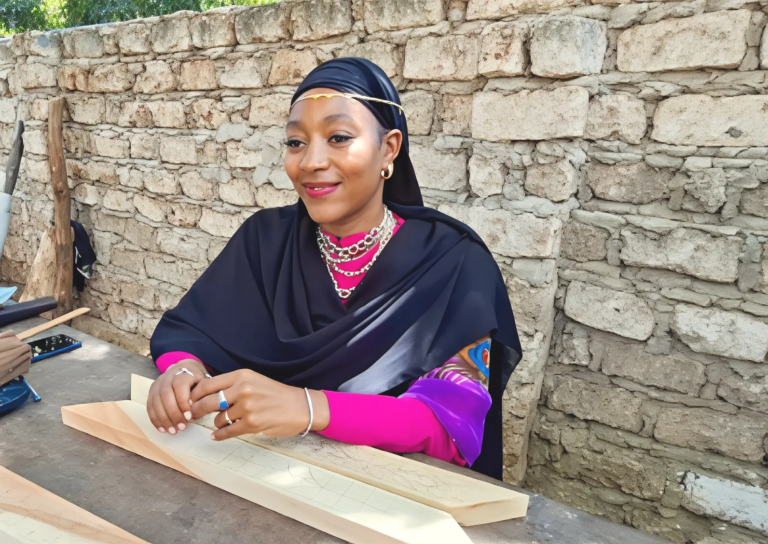
Read More : Kenyan Artist Revives Lamu Woodcarving Tradition
Whoever wins the Brazil presidential election will face a difficult political environment. Right-wing parties made significant gains in Congress, potentially restricting Lula’s room to govern if he wins another term.
A Bolsonaro presidency could bring renewed confrontation with Brazil’s Supreme Court. Flavio Bolsonaro has said he would pursue the impeachment of Justice Alexandre de Moraes, who played a leading role in the case that resulted in his father’s conviction.
Polling stations are due to close at 5:00 p.m. local time, with Brazil’s electronic voting system expected to deliver results within hours.