Trending

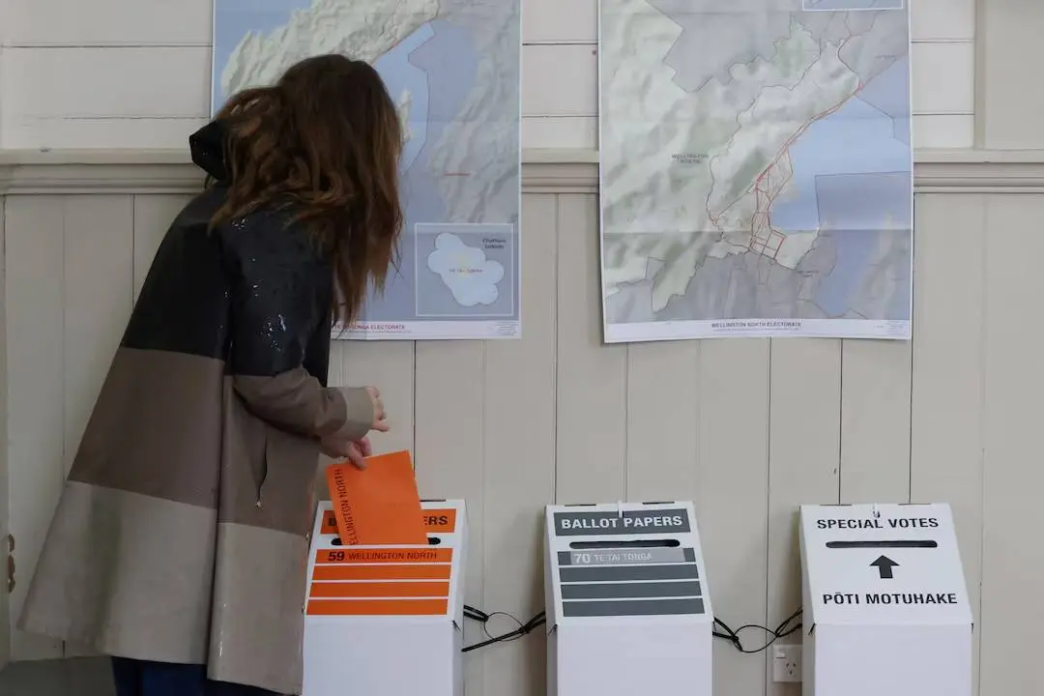
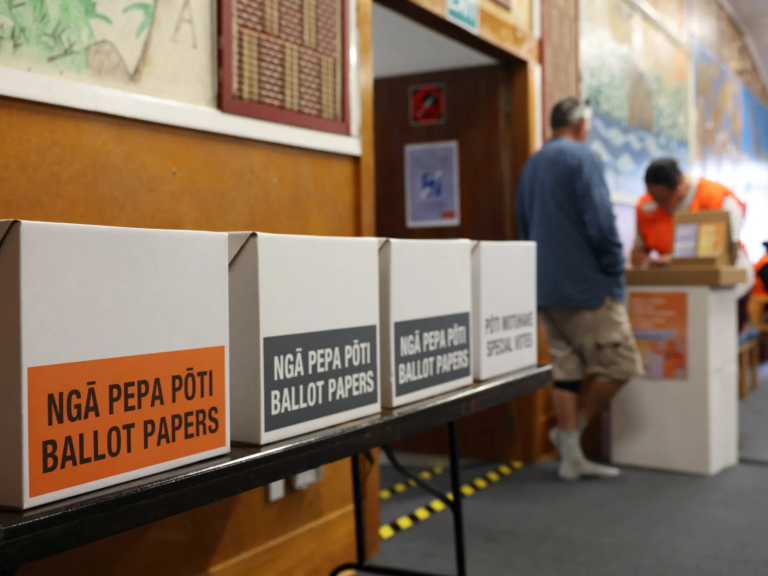
New Zealand’s two main political parties remain tied in a tight election race with more than half of the votes counted, leaving neither with an outright majority.
High living costs, elevated unemployment, and a global fuel shock driven by Middle East conflicts have dominated the campaign and weighed heavily on the nation’s trade-dependent economy.
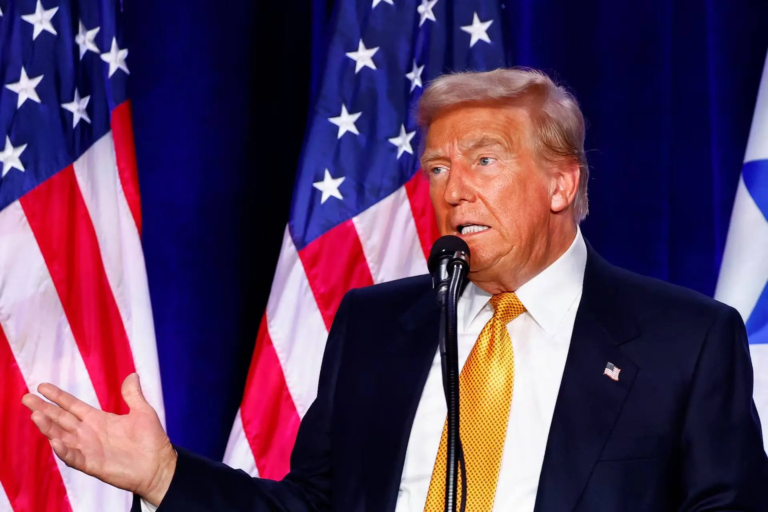
Prime Minister Christopher Luxon’s right-wing National Party and Chris Hipkins’ opposition Labour Party both sit at 29 per cent of the vote, separating them by only a few thousand ballots.
Read More : Polls Close in Knife-Edge New Zealand Vote
Under New Zealand’s mixed-member proportional representation system, the deadlock positions the centrist Opportunity Party as a potential kingmaker.
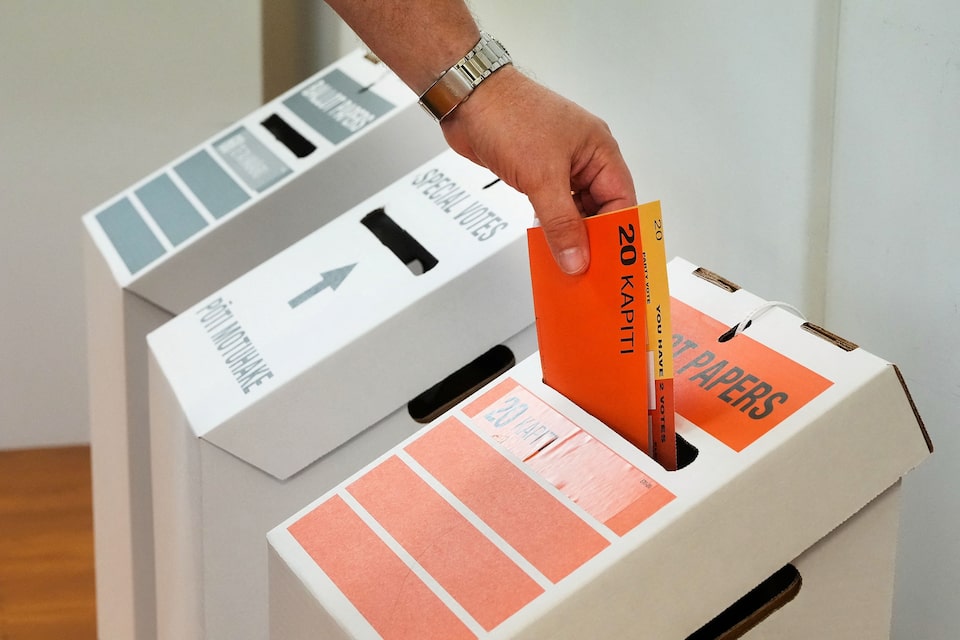
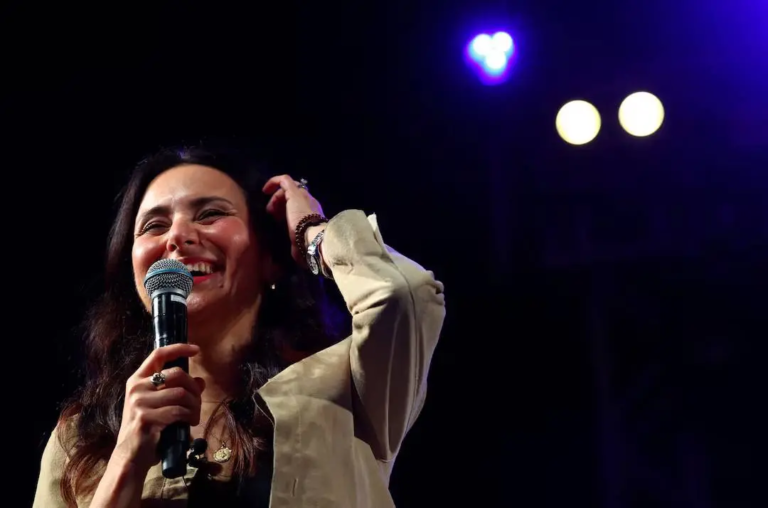
Led by former KPMG consultant Qiulae Wong, the upstart party crossed the critical five-per-cent threshold needed to enter parliament, capitalising on widespread voter fatigue toward the main establishment parties.
With neither National nor Labour able to govern alone, the election outcome will hinge on upcoming coalition negotiations to determine the next government.