Trending
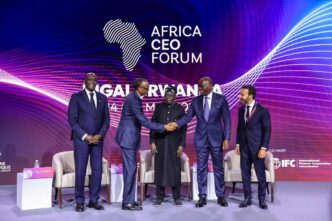
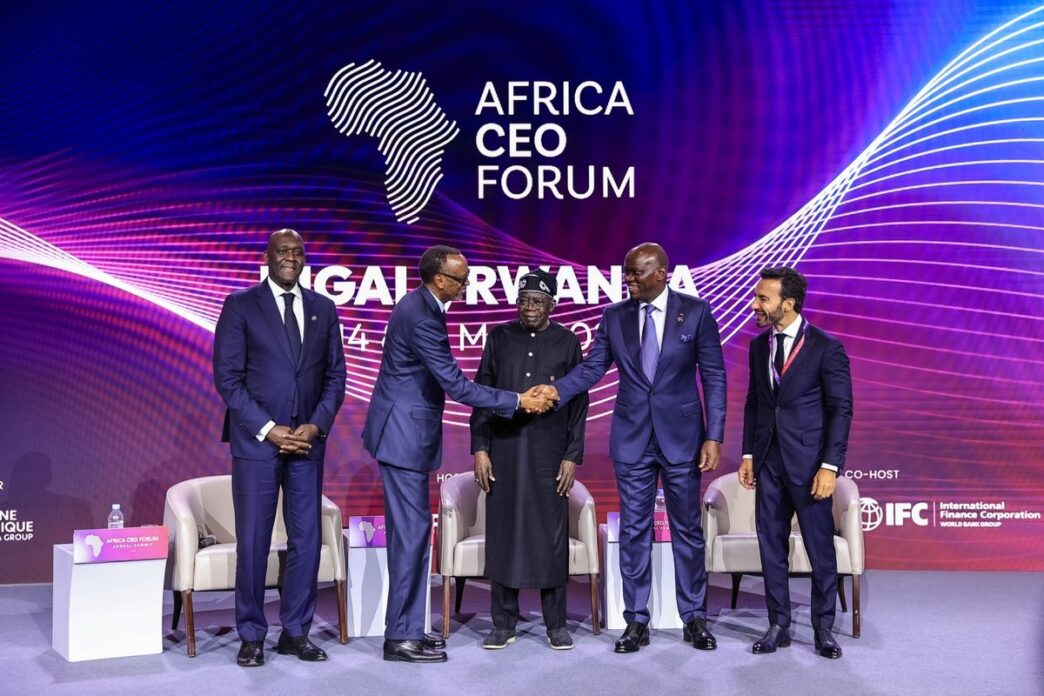
In Kigali, the tone of the conversations has fundamentally shifted. In the hallways of the Kigali Convention Centre, moving among heads of state, investors, entrepreneurs, and executives from across the continent, one dominant message shaped the 2026 edition of the Africa CEO Forum: Africa can no longer afford to think small.
In May 2026, over three days, more than 2,800 decision-makers from over 90 countries debated an issue that has become central to the continent’s future: how to transform Africa into an economic powerhouse capable of competing on a global scale.
Here, there was no more talk of international aid or dependence on foreign markets. The watchword was clear: “Scale or Fail”, grow or disappear.
Read More : Africa Targets Cheaper Cross-Border Flights
Against a global backdrop marked by geopolitical tensions, trade wars, and the reconfiguration of supply chains, the African leaders present in Kigali championed a shared conviction: African economic integration is no longer a political option, but a strategic necessity.
Opening the forum, Paul Kagame, President of the Republic of Rwanda, called on the continent to fully exploit its resources and industrial potential.
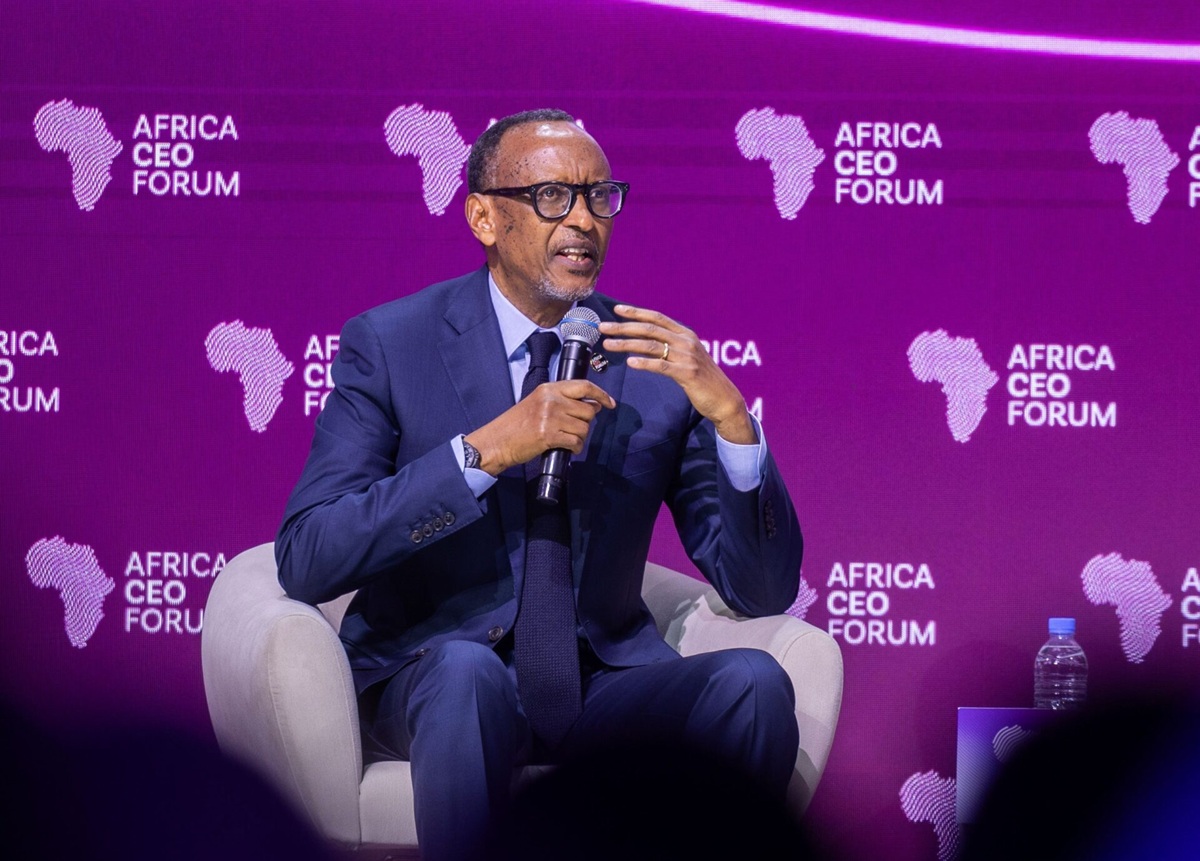
“Africa must stop debating its potential and scale up,” President Kagame urged.
For the Rwandan President, Africa already possesses the necessary assets to become a major economic force, provided it strengthens regional cooperation and builds mechanisms capable of creating true continental champions.
This vision found a strong echo in Amir Ben Yahmed, President of the Africa CEO Forum and CEO of Jeune Afrique Media Group, who pleaded for a new generation of African companies built on co-investment, shared ownership, and cross-border partnerships.
“If Africa wants to compete in a world defined by scale, it must move beyond economic patriotism and embrace a new model: African capital investing together,” Ben Yahmed emphasized.
The core message was simple: no single, isolated African market can produce the industrial and technological giants the continent needs on its own. And the signs of this transformation are already becoming visible across the continent.
Regional logistics corridors are gradually emerging. Cross-border African payment systems are actively accelerating commercial trade. At the same time, digital initiatives are now connecting multiple African economies without relying on external intermediaries.
The African Continental Free Trade Area (AfCFTA) is steadily transitioning from a simple institutional project into a concrete economic reality.
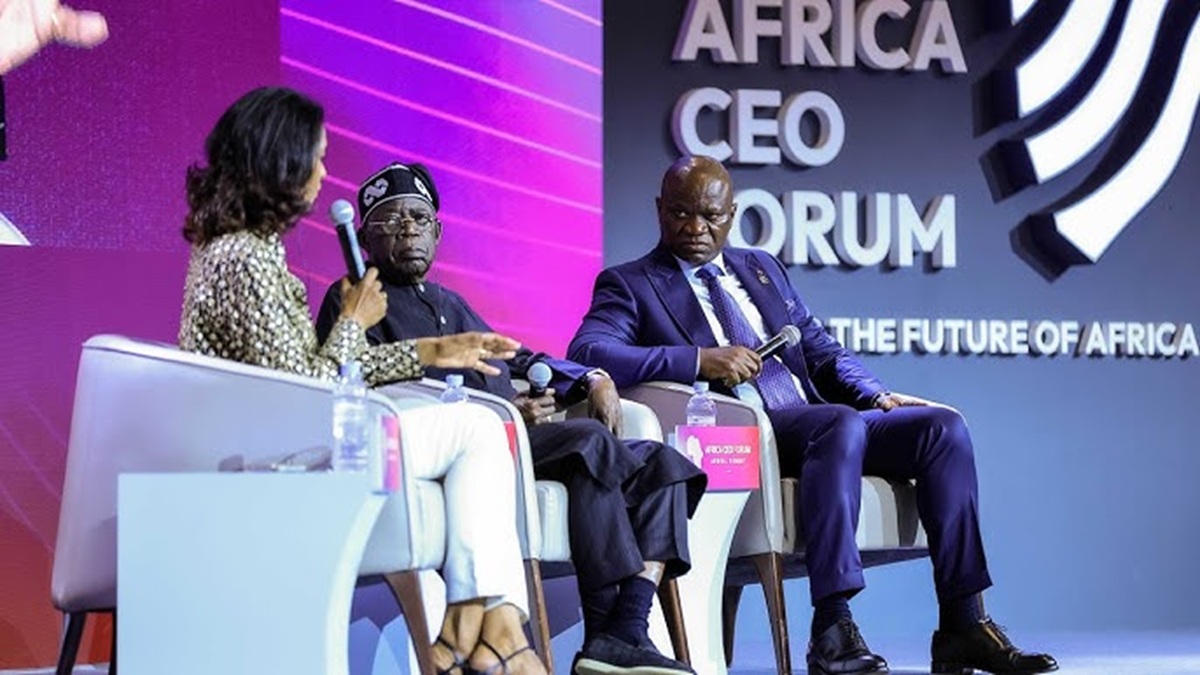
The forum also became a stage to celebrate the continent’s rising intellectual giants. During the event, Senegalese researcher Abdoulaye Ndiaye was awarded the inaugural Africa NextGen Economist Prize. Organized by Jeune Afrique and The Africa Report in partnership with the African Development Bank, this award recognizes the young researcher for the excellence of his work.
Reacting to the honour on X (formerly Twitter), Ndiaye shared a deeply emotional reflection on the award’s significance:
“Receiving this award moves me deeply. I dedicate it to my mother, who left us this year, and whose memory accompanies me at this moment.
The significance of this prize for me lies in the fact that a jury of African economists judged that my research serves not only the academic community, but also the African citizen, private sector investors, and public policymakers on our continent.”
Ndiaye concluded his message with a powerful call to action for the next generation of African thinkers:
“I hope this prize inspires younger people to turn to research, and to see it as a vocation worthy of a lifetime’s dedication. Finally, I invite my fellow African economists to build a network, to work together on issues specific to our continent, and to claim the place that belongs to us at the table of intellectual influence and decision-making. No one will give us this place: it is up to us to build it, through the rigor of our work and the solidarity of our efforts.”
At the centre of the discussions in Kigali, three major levers emerged as the essential foundations for this new African ambition.
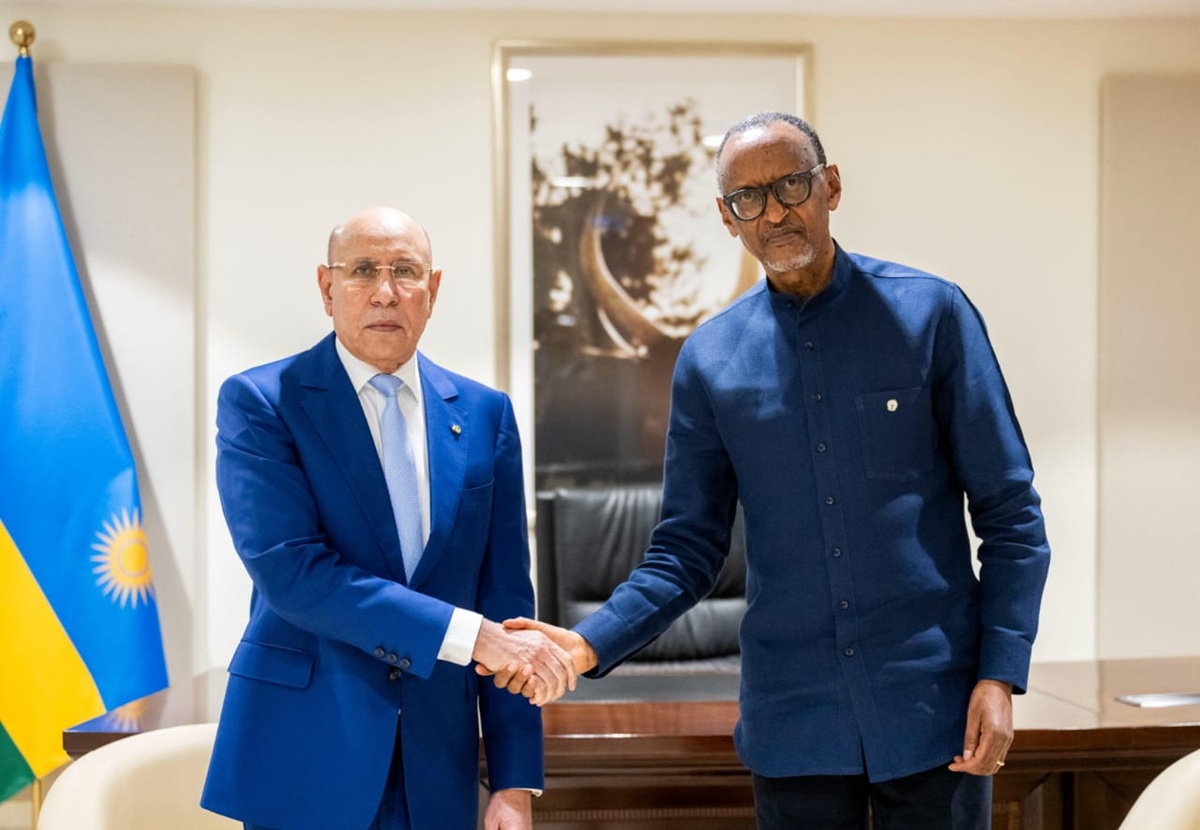
The first pillar focuses on mobilizing African capital to finance African businesses, calling on pension funds, regional banks, and institutional investors to support projects capable of operating at a continental scale.
The second pillar involves building infrastructure designed to connect African economies with one another, turning regional roads, logistics hubs, energy grids, and digital infrastructure into tools of economic sovereignty.
The third pillar aims to harmonize regulations in order to facilitate investments, fluidify exchanges, and drastically reduce the administrative barriers that still hinder intra-African commerce.
For Makhtar Diop, Managing Director of the International Finance Corporation (IFC), the challenge now goes beyond traditional economic growth alone.
“Africa has the capital and the opportunity to grow and create quality jobs. What matters now is putting that capital to work at scale. That means building trust, sharing risk, and investing across borders,” Diop stated.
It is about building an environment of trust capable of heavily directing investments toward industrialization, innovative agriculture, energy, and African technologies.
But beyond the panels and the official agreements signed, the most profound change observed in Kigali was perhaps narrative.
The Africa presented at the forum was neither defensive nor dependent. It was an Africa talking about expansion, industrial power, integrated markets, and global leadership. This is an Africa that no longer asks for permission to exist economically.
Read More : Why Renewed Tigray War Risks Regional Conflict
The 2026 edition of the Africa CEO Forum left a powerful impression: the continent is entering a new phase of its economic history. A phase where critical mass, regional cooperation, and financial sovereignty are becoming the core pillars of a collective ambition.
In Kigali, Africa did not come to search for its future. It came to build it.
Credit: Andrino Akuda, Bird Story Agency.