Trending
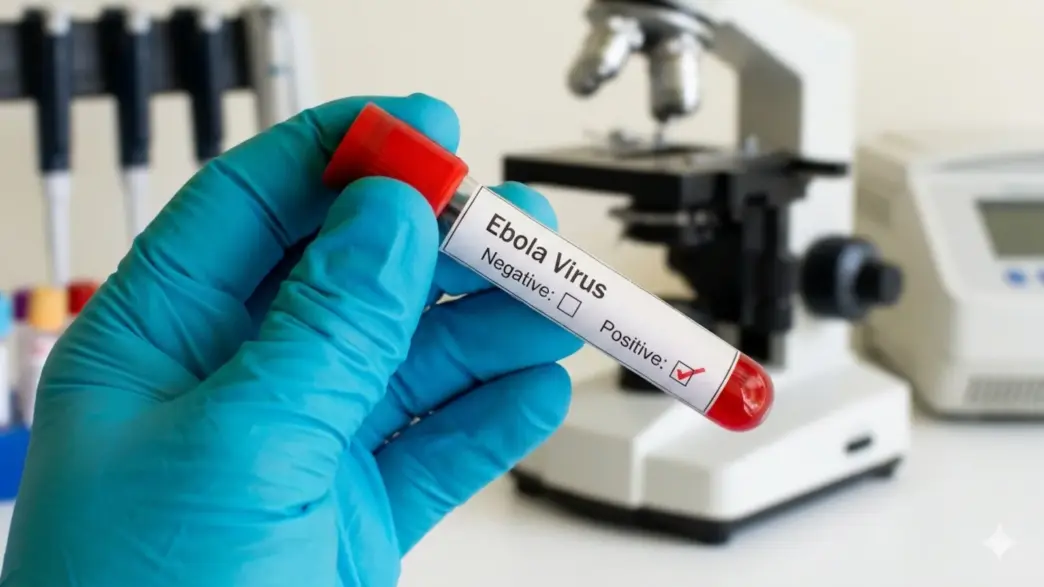
The World Health Organisation (WHO) and the Africa Centres for Disease Control and Prevention has said more than $518 million will be required to contain the ongoing Ebola outbreak in the Democratic Republic of Congo and prevent its spread to neighbouring countries.
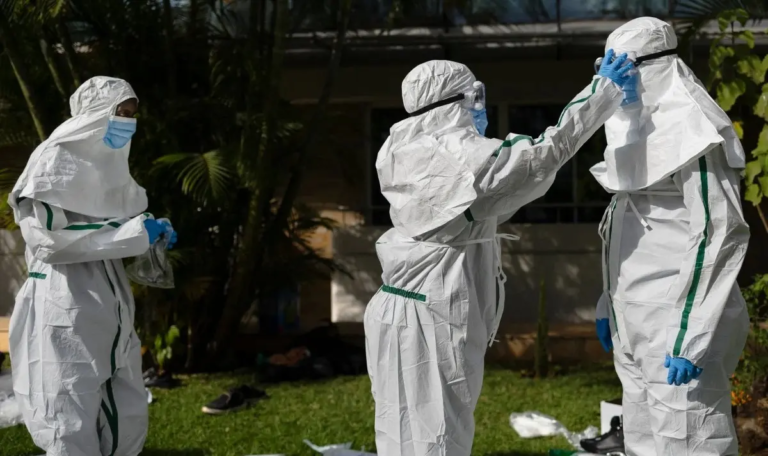
The agencies said the continental preparedness and response plan will run from June to November and focus on emergency coordination, disease surveillance, laboratory testing, infection prevention, patient care and community engagement.
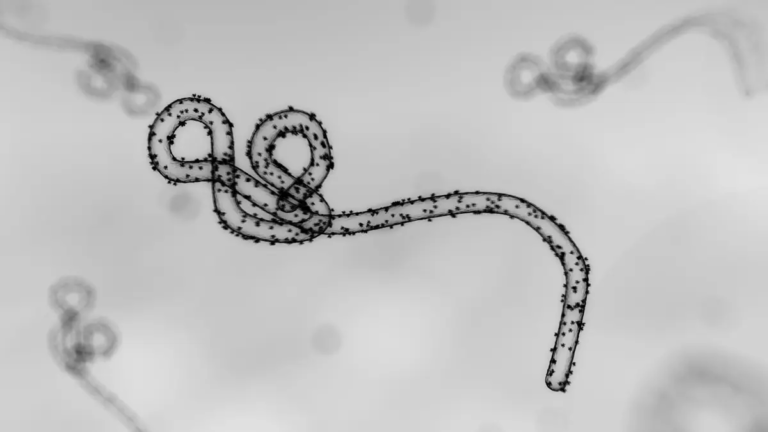
The latest Ebola outbreak was declared on May 15 in northeastern Democratic Republic of Congo, although health authorities believe the Bundibugyo strain of the virus had been circulating before it was officially detected.
According to the WHO, the DRC has recorded 381 confirmed cases and 64 deaths, with the outbreak affecting three provinces. The epicentre remains Ituri province, which accounts for the vast majority of infections and fatalities.
Across the border in Uganda, 16 confirmed cases and one death have been reported, while nine patients in both countries have recovered.
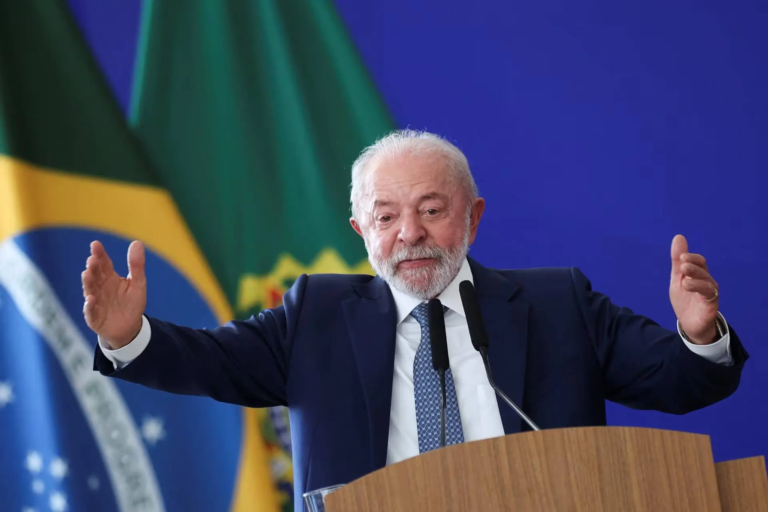
WHO Director-General Tedros Adhanom Ghebreyesus said the plan aims to halt transmission in affected areas, strengthen response efforts and ensure neighbouring countries are prepared to detect and contain new cases quickly.
The funding will support the work of several organisations, including the WHO, Africa CDC, the United Nations children’s, food and refugee agencies, and the Red Cross.
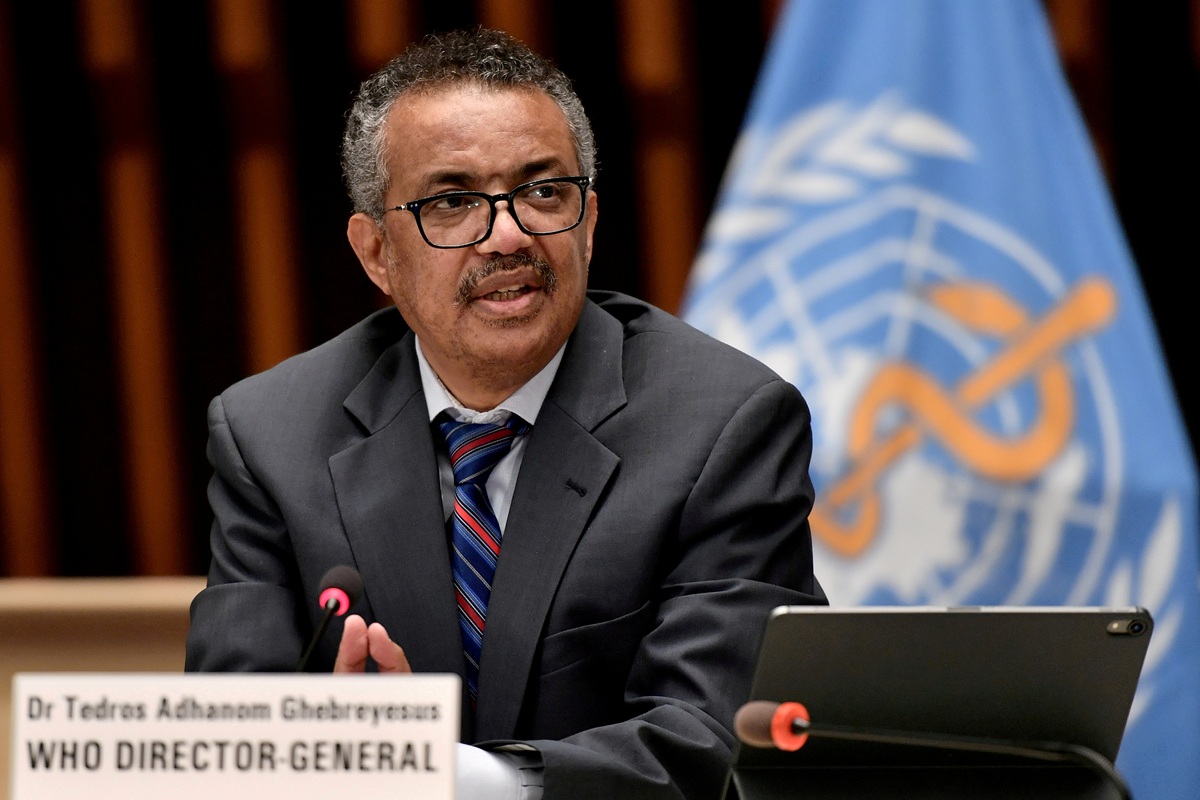
“The plan focuses on core areas: emergency coordination, surveillance, laboratory testing, infection prevention and control, clinical care, and community engagement,” WHO chief Tedros Adhanom Ghebreyesus told a press conference by video.
“This is a practical plan. It sets out what we need to do now, together, to contain the current outbreak and reduce the risk of further spread.
“The objective is straightforward: we need to stop the outbreak where it is, support countries that are responding today, and ensure that neighbouring countries are ready to detect and act quickly if cases appear,” he added.
Africa CDC Director-General Jean Kaseya described the outbreak as the most serious recorded involving the Bundibugyo strain, noting that more than 250 suspected Ebola-related deaths are still awaiting laboratory confirmation.
He said most of the required funding has been pledged but cautioned that commitments have yet to translate into actual disbursements. He also disclosed that more than 200 tonnes of medical supplies and equipment have already been delivered to the DRC and Uganda.
Health officials warned that the outbreak is spreading faster than previous Bundibugyo outbreaks recorded in 2007 and 2012.
WHO Regional Director for Africa Mohamed Yakub Janabi said the rapid cross-border movement of cases has increased the risk of wider regional transmission.
Ebola, which spreads through contact with infected bodily fluids, has killed more than 15,000 people across Africa over the past five decades.
There are currently no approved vaccines or treatments specifically targeting the Bundibugyo strain.