Trending
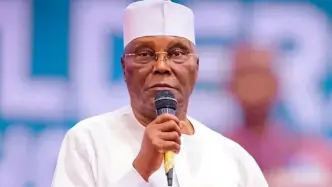
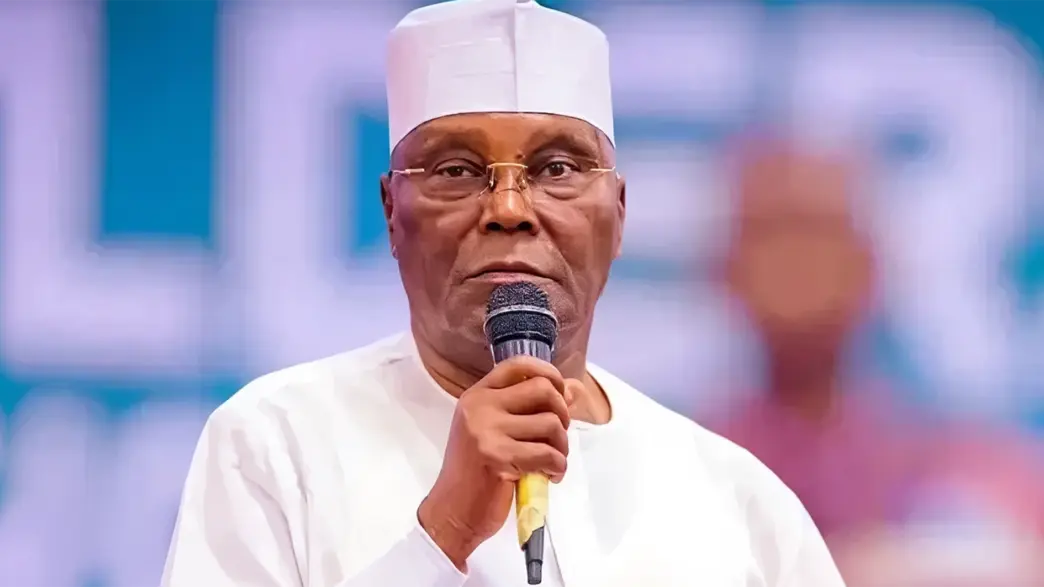
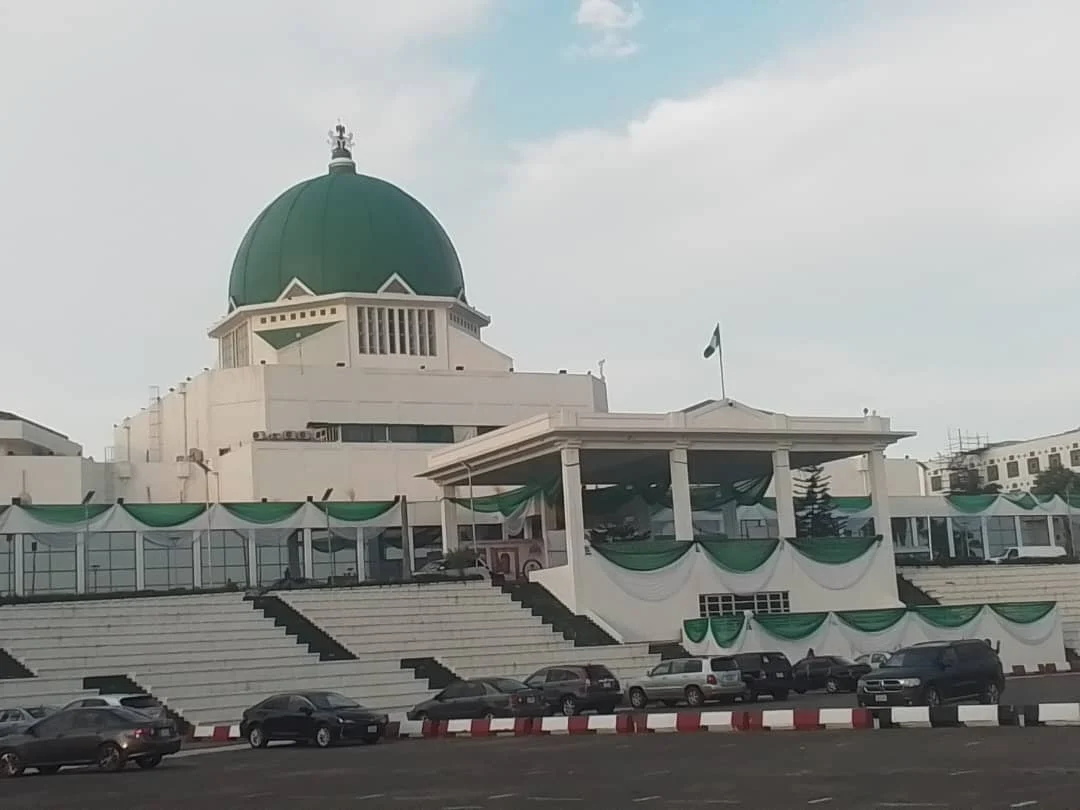
Nigeria’s former Vice President Atiku Abubakar has called on the National Assembly to identify officials responsible for the alleged ₦210 billion duplicated and overlapping allocations in the 2026 Appropriation Act and launch a forensic investigation into the budget.
In a statement issued on Saturday by his Senior Special Assistant on Public Communication, Phrank Shaibu, the African Democratic Congress presidential candidate said the reported irregularities reflected worsening fiscal indiscipline under President Bola Tinubu’s administration.
Atiku argued that the alleged budget duplications contradicted the government’s insistence that its economic reforms were restoring stability, despite asking Nigerians to endure economic hardship through fuel subsidy removal, exchange rate unification and other policy measures.
He said a government demanding sacrifice from citizens must demonstrate fiscal discipline, adding that the 2026 budget contained duplicated allocations, overlapping projects and questionable insertions that undermined fiscal responsibility.
The former vice president also criticised the administration’s handling of fuel subsidy, alleging that the Nigerian National Petroleum Company Limited’s 2024 audited financial statements showed ₦7.13 trillion was spent under “Energy security expenses,” which he claimed amounted to a continuation of petrol subsidy under another name.
Atiku warned that the alleged budget irregularities could weaken investor confidence and erode public trust, describing the national budget as the government’s most important economic policy document.
Read More : Zamfara Police Arrest Youth Over Video Threat
He urged lawmakers to publish all duplicated allocations, identify officials responsible, recover improperly appropriated funds and involve the Auditor-General, anti-corruption agencies and civil society groups in reviewing the budget.
According to him, budget manipulation should no longer be dismissed as clerical errors, insisting that every duplicated allocation represents lost opportunities for critical infrastructure and public services.
The Nigerian government has consistently defended its economic reforms, maintaining they are necessary to stabilise the economy, improve public finances and support long-term growth, while opposition parties argue the policies have worsened living conditions for many Nigerians.