Trending
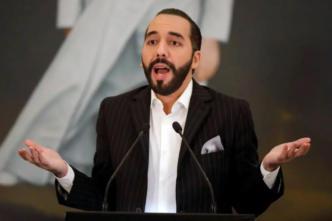
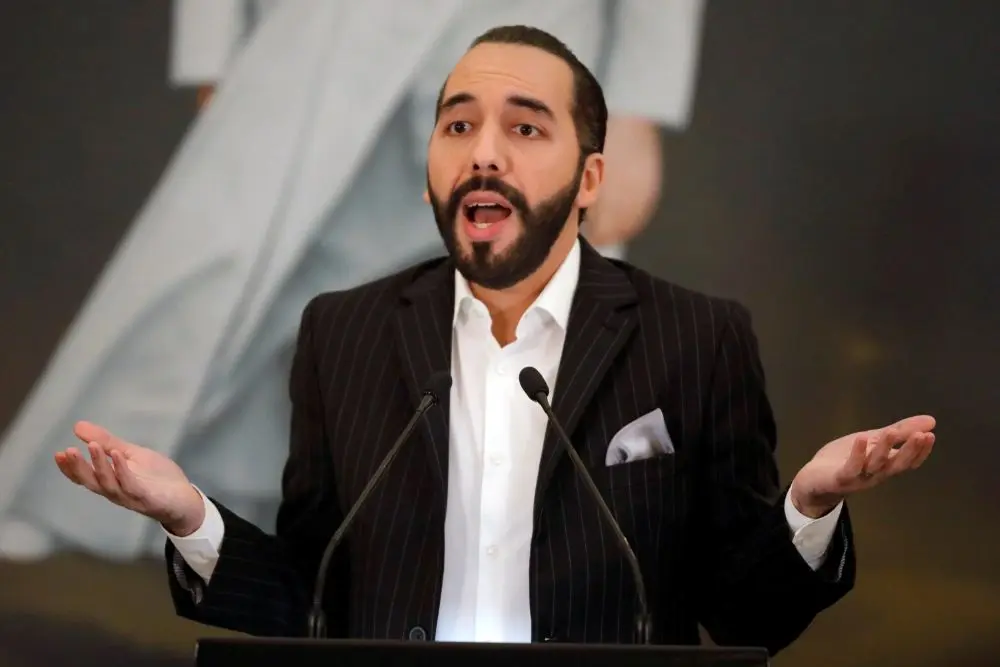
El Salvador’s President Nayib Bukele has denied reports that the country transferred its strategic bitcoin reserves to a private operator under a loan agreement with the International Monetary Fund (IMF).
Bitcoin has remained the most closely watched issue in El Salvador’s $1.4 billion IMF programme, following Bukele’s 2021 decision to make the cryptocurrency legal tender alongside the US dollar.
The government later scaled back its bitcoin policy as part of negotiations with the IMF, removing the cryptocurrency’s legal tender status in January. The move formed part of broader reforms required under the financial support agreement.
On Thursday, the IMF announced a preliminary deal with El Salvador, unlocking $140 million in new funding under an austerity reform programme. The agreement followed the Fund’s assessment that El Salvador’s continued bitcoin purchases were being financed through private donations rather than public funds.
In a statement, the IMF said, “public participation in the Chivo wallet has been substantially unwound, and efforts are underway to enhance the transparency of Bitcoin holdings.”
The Fund added that “majority ownership and operational control have been transferred to a private operator, while a minority stake and custodial responsibilities for customer assets have been retained by the government.”
The comments led to reports suggesting that El Salvador’s bitcoin reserves had been moved to a private entity. However, Bukele rejected those claims, writing on X that “the only thing that was transferred were Chivo’s shares… and NOT the Strategic Bitcoin Reserve.”
Read More : Two Dead in Houthi Strike on Saudi Airport
Chivo is the government-backed digital wallet launched in 2021 to support bitcoin adoption across the country.
The IMF said its agreement with El Salvador includes measures to limit further government involvement in cryptocurrency transactions. The Fund stated that “no further Bitcoin accumulation beyond the documented donations is expected.”
The development marks another stage in El Salvador’s evolving relationship with bitcoin, a policy that has drawn international attention and criticism since its introduction but has remained a key part of Bukele’s economic agenda.