Trending
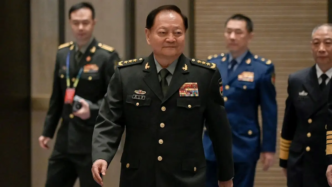
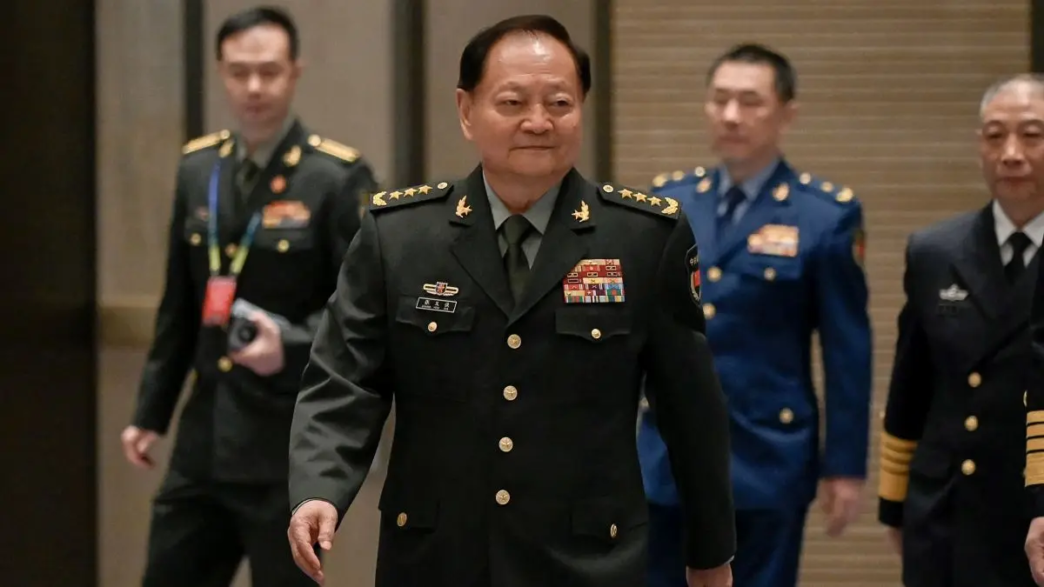
China has removed former top general Zhang Youxia from the country’s Central Military Commission, state media reported on Friday, seven months after authorities announced that he was being investigated for alleged serious violations of discipline and the law.
Zhang, who served as the more senior of the two vice chairmen of the Central Military Commission, had been China’s highest-ranking military officer. His removal marks a major development in President Xi Jinping’s continuing anti-corruption campaign within the country’s armed forces.
The decision was reported by China’s state news agency Xinhua following a meeting of the standing committee of the country’s parliament. Xinhua said the committee had decided to remove Zhang from his position as vice chairman of the Central Military Commission of the People’s Republic of China.
The move follows an announcement in January by China’s Defence Ministry that Zhang and Liu Zhenli, another senior member of the Central Military Commission, were suspected of “serious violations of discipline and the law”. Chinese authorities commonly use the phrase to describe corruption-related investigations involving officials.
Liu, who served as chief of the CMC’s Joint Staff Department, was also removed from his position, according to Xinhua. The department oversees key areas including military operations and combat planning.
Zhang’s removal is particularly significant because of his seniority and his longstanding position within China’s military leadership. Observers viewed his fall from power as notable given his perceived proximity to Xi and his prominent role in the country’s military establishment.
The latest action comes as Xi’s administration continues a wide-ranging campaign against corruption and misconduct across the People’s Liberation Army. The campaign has resulted in the removal and investigation of several senior military officials, reinforcing Xi’s efforts to tighten political control and discipline within the armed forces.
The removal of both Zhang and Liu raises questions about the future composition of China’s top military leadership and the broader implications of the investigations for the People’s Liberation Army.