Trending
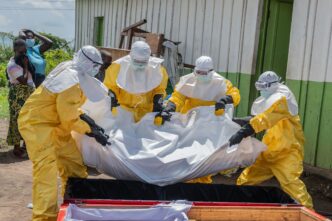
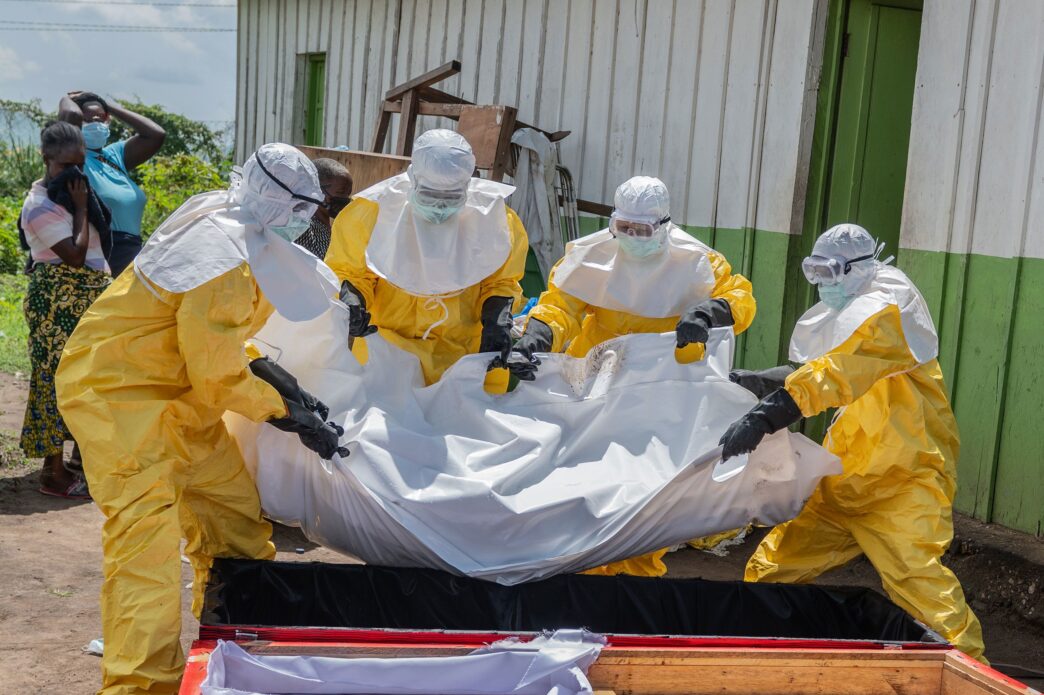
The World Health Organisation (WHO) has significantly revised the reported number of suspected Ebola cases in central Africa, reducing the tally in the Democratic Republic of Congo (DRC) from more than 900 to 116 as of May 31.
Meanwhile, 321 cases have now been confirmed in the country, including 48 deaths, while neighbouring Uganda has recorded nine confirmed cases, including one fatality.
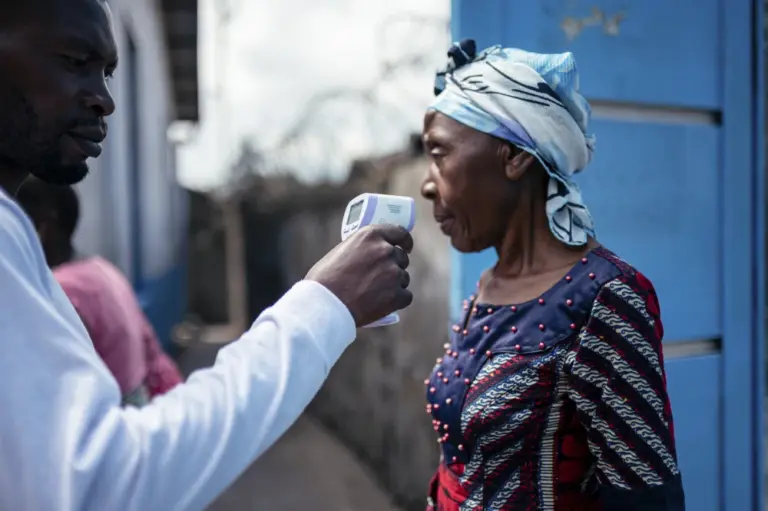
WHO spokesperson Christian Lindmeier explained that many suspected cases “have been cleared out” after testing showed they were due to other illnesses with similar early symptoms, such as malaria or meningitis. He added that “anybody who gets picked up by surveillance or presents themselves in a health facility with any symptoms that could be Ebola-like” is initially counted as a suspected case until confirmed.
Read More : Surging Ebola Outbreak Overwhelms Congo
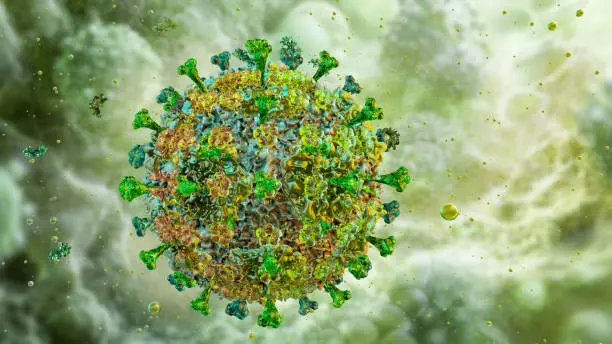
The outbreak, declared on May 15 in Ituri province, northeastern DRC, is caused by the Bundibugyo strain of the virus, which spreads through close contact and bodily fluids and can cause fatal haemorrhagic fever. Symptoms often resemble those of the flu, malaria, or typhoid, which may delay early detection.
Lindmeier emphasised that once suspected cases are tested and ruled out, they are removed from the suspected case count, while confirmed cases continue to rise.
Earlier WHO figures also listed 223 deaths suspected to be Ebola-related, but these have been excluded from the latest data due to uncertainty, particularly as many remains could not be tested. Six individuals confirmed to have contracted Ebola have reportedly recovered.
Currently, there is no approved vaccine or treatment for the Bundibugyo strain. Containment efforts rely primarily on preventative measures, including early detection, isolation, and strict hygiene protocols to prevent further spread of the virus.