Trending
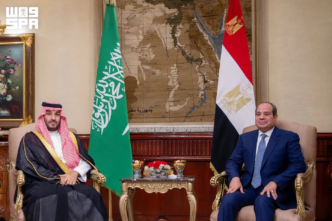
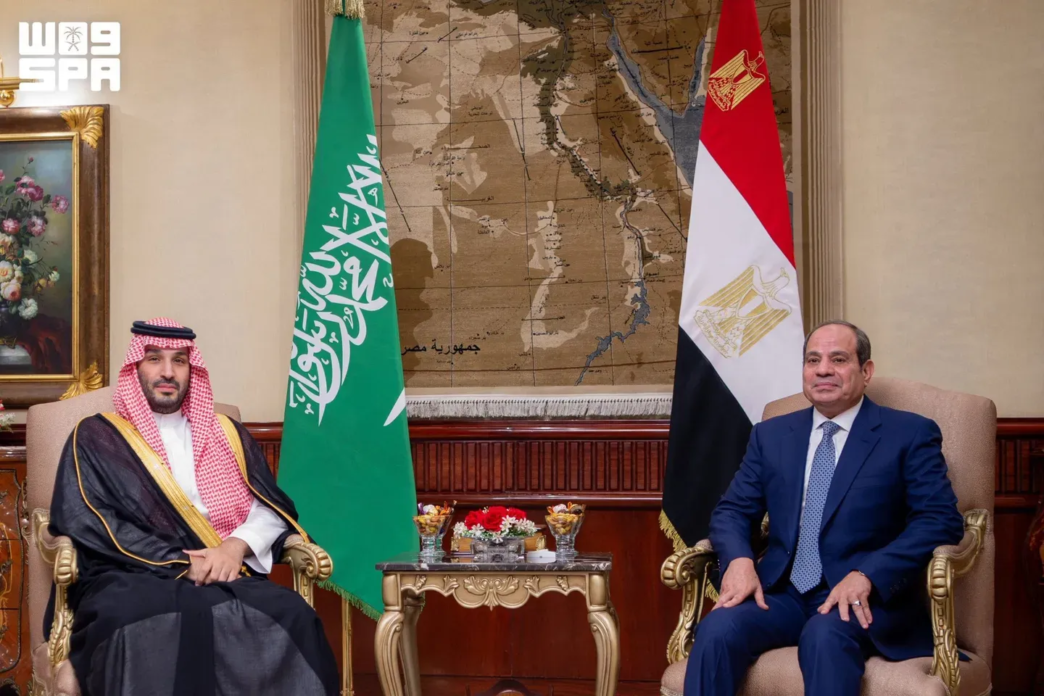
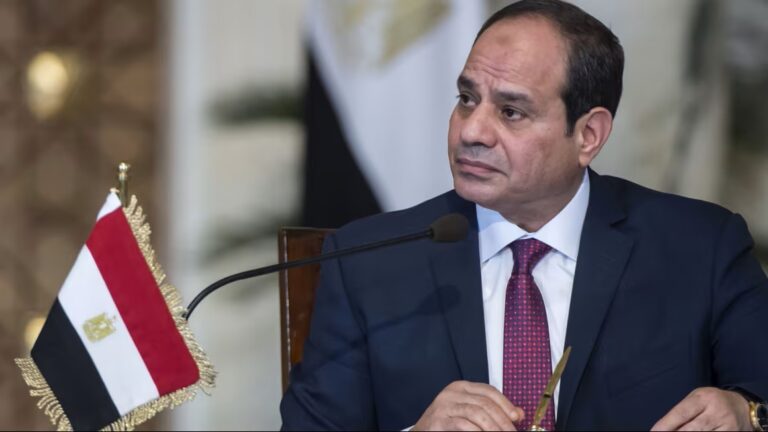
Egyptian President Abdel Fattah al-Sisi said on Saturday that Egypt stands ready to defend Saudi Arabia “if requested”, as fighting intensifies between the kingdom and Iran-backed Houthi forces in Yemen.
Yemen’s war reignited in July, and the Houthis have since repeatedly struck Saudi targets, including energy facilities and Riyadh’s international airport. Thirteen people were killed in a single attack at the airport last week. The group has also blockaded the Bab al-Mandeb Strait, adding pressure on energy exports at a time when Iran is pressing its own blockade of the Strait of Hormuz.
Speaking at a graduation ceremony at the Egyptian military academy, Sisi said Cairo was “not looking for a role to play” in regional conflicts. He added, however, that it was “inconceivable” for Egypt to stand by while Saudi Arabia was “harmed or its security and stability threatened”.
Read More : Egypt’s Sisi Says Departure in 2030 Is Settled
Acting on the directives of King Salman and Crown Prince Mohammed bin Salman, he said, Egypt “will carry out any measure to protect you or defend you”. Any deployment, he noted, would need parliamentary approval, and he hoped lawmakers would convene in emergency session to authorise it “if it is requested of us”. He stressed the pledge’s limits: “We are speaking only about defence.”
Egypt has its own stake in the crisis. Disruption to Red Sea shipping threatens Suez Canal revenues, a key source of foreign currency. Foreign Minister Badr Abdelatty said last month that the canal has lost about $11 billion since the Houthis began attacking commercial vessels following Hamas’s October 7, 2023 attack on Israel. During a visit to Egypt last month, Mohammed bin Salman and Sisi jointly called for free and secure navigation in the Red Sea.
Despite longstanding military ties with Gulf states, Egypt has not joined the Mecca agreement, the mutual defence pact signed by Saudi Arabia, Turkey and Pakistan in August. Cairo has generally preferred diplomacy to membership of regional military alliances.
Riyadh, meanwhile, has long supported Cairo, providing financial backing after the 2013 ouster of the late Islamist president Mohammed Morsi and through subsequent economic crises.