Trending
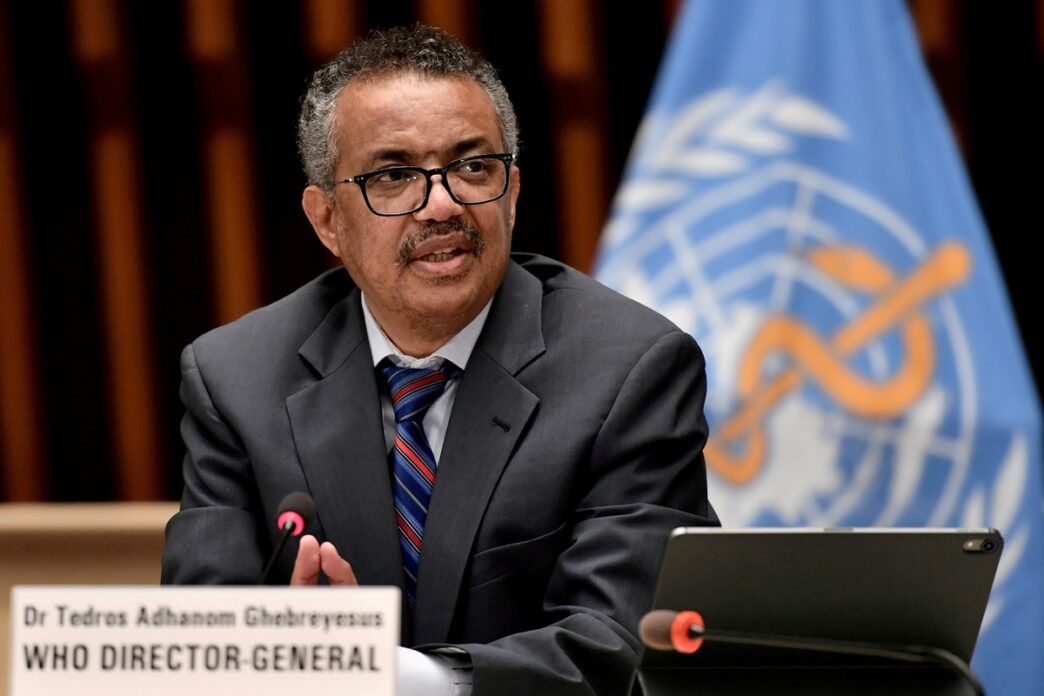
The World Health Organisation (WHO) has said that over 1,300 excess deaths have been recorded in Europe since June 21 in connection with the record-breaking heatwave roasting much of the continent.
Across Europe, “more than 1,300 excess deaths have been recorded since 21 June linked to high temperatures in Europe”, WHO chief Tedros Adhanom Ghebreyesus said on X on Sunday.
“Heat stress is often called the ‘silent killer’ and European homes, workplaces and schools were not built for these temperatures,” he added.
Read More : Russian Diesel Heads to New York
Also, French health officials said there had been around 1,000 more deaths than expected in that country since Wednesday.
According to AFP estimates, at least 191 million people are forecast to endure temperatures of at least 35C in Europe on Sunday, with the heat particularly intense in Germany, the Czech Republic, Hungary and Poland.
Tens of millions have been enduring a weekend of extreme temperatures in Europe as a deadly heatwave moves eastwards, with some countries announcing rising death tolls and health services warning of saturation.

A total of 381 million people in Europe, excluding Turkey, will experience temperatures exceeding 30 °C, according to an analysis based on forecasts from the German Meteorological Service and 2025 population projections from the Joint Research Centre, collated by the Austrian NGO Klimadashboard.
Millions of people across the continent are currently “living under extreme heat, hundreds have died, schools are shut, grids are buckling”, Tedros warned.
Read More : Greece Bans Social Media for Under-15s
“Driven by climate change and global warming, the phenomenon of the ‘once-in-a-generation’ heatwave is now occurring nearly annual,” he said, pointing out that “Europe is the fastest-warming continent on Earth, heating at twice the global average”.
Ghebreyesus went further, saying the United Nations health agency was “working with its Member States and partners to address the health threats posed by extreme heat through focusing on preparedness, prevention and stronger health system responses”.
He called on European countries to “implement heat health action plans”, as part of a push to safeguard health in the face of climate change.