Trending
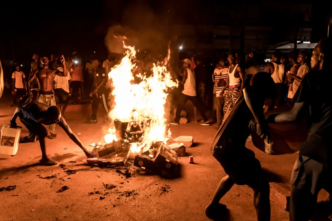
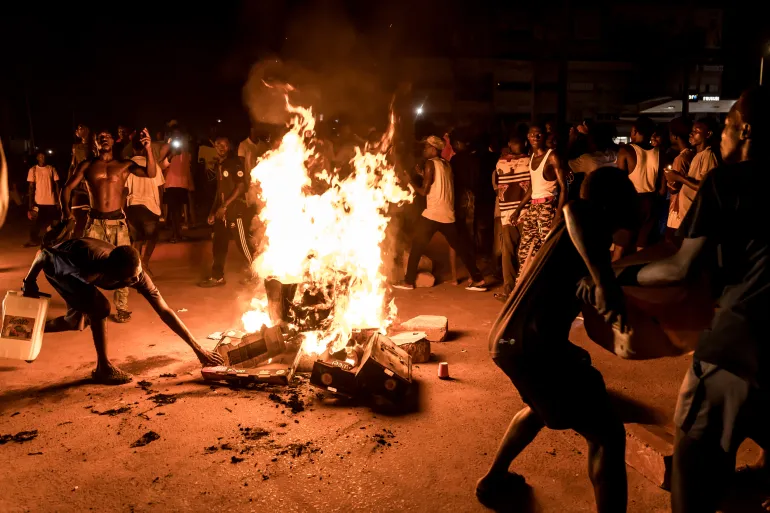
Thousands of Gambians have staged new protests over prolonged power cuts, with police firing tear gas at demonstrators near Banjul, the Gambian capital.
The protests took place overnight from Wednesday to Thursday, marking the second round of demonstrations this week over electricity shortages.
Residents gathered in several communities, including Sukuta, Manduar, Bakau, Tanji, Tujereng, Kerr Serign and Jambur.
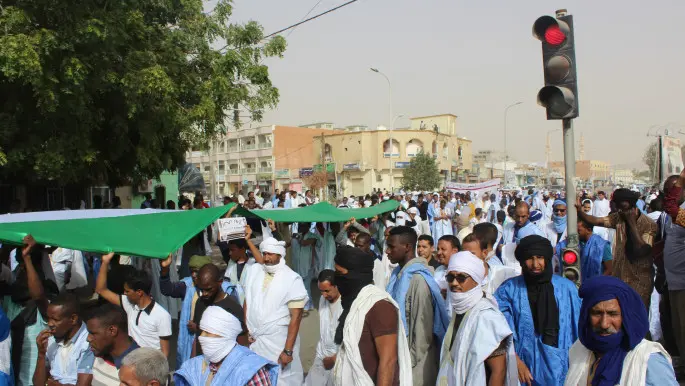
Read More : Mauritania Students Protest Transport Fare Hike
Youths in some areas reportedly lit fires at major junctions and blocked roads during the demonstrations.
The power cuts have affected residents since June, with blackouts lasting up to 48 hours in some areas during the hot season.
The outages have led to spoiled food, closed businesses and sleepless nights for residents.
Police reportedly used tear gas to disperse protesters in Bakau, Tanji and Tujereng.
Businesses, particularly in fishing communities, have also been hit by the electricity shortages.
Residents in Tanji and Tujereng said the lack of electricity and ice was destroying their fish catch and affecting their livelihoods.
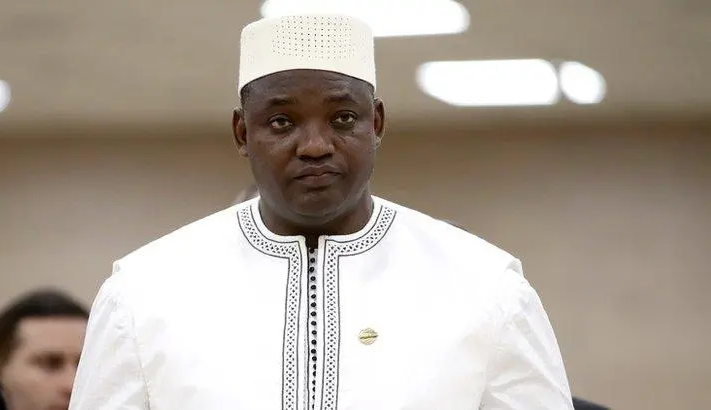
The latest protests follow spontaneous demonstrations on Monday night, when protesters chanted against President Adama Barrow.
Barrow is seeking a third term in December’s presidential election.
On Tuesday, the President pledged to increase electricity supplies by next month.
He said the government was in the “final stage” of installing a new 24-megawatt generation machine at the Brikama power plant.
Barrow also said plans were underway to build a 50-megawatt solar power plant in Soma.
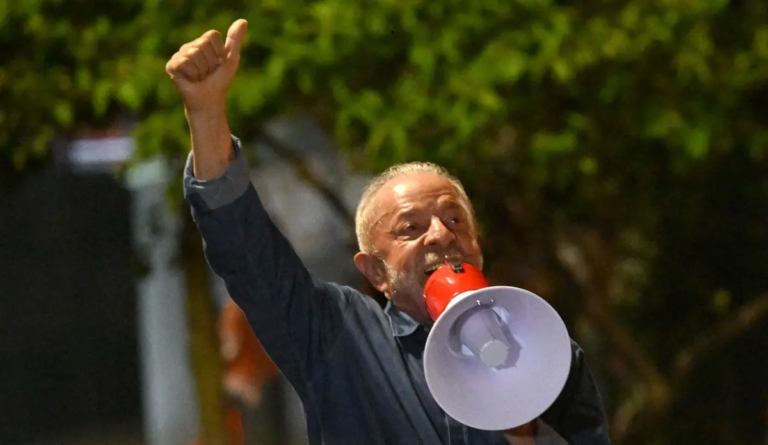
Read More : Brazil’s Lula Turns 81, Vows 24-Hour Workday
The demonstrations represent a sharp escalation of public anger over electricity shortages just months before the December election.
The Gambia’s electricity provider, the National Water and Electricity Company (NAWEC), said in mid-August that increased demand and “constraints on electricity imports” caused the blackouts.
NAWEC’s managing director also said climate change and the war in the Middle East partly caused the power supply problems.