Trending
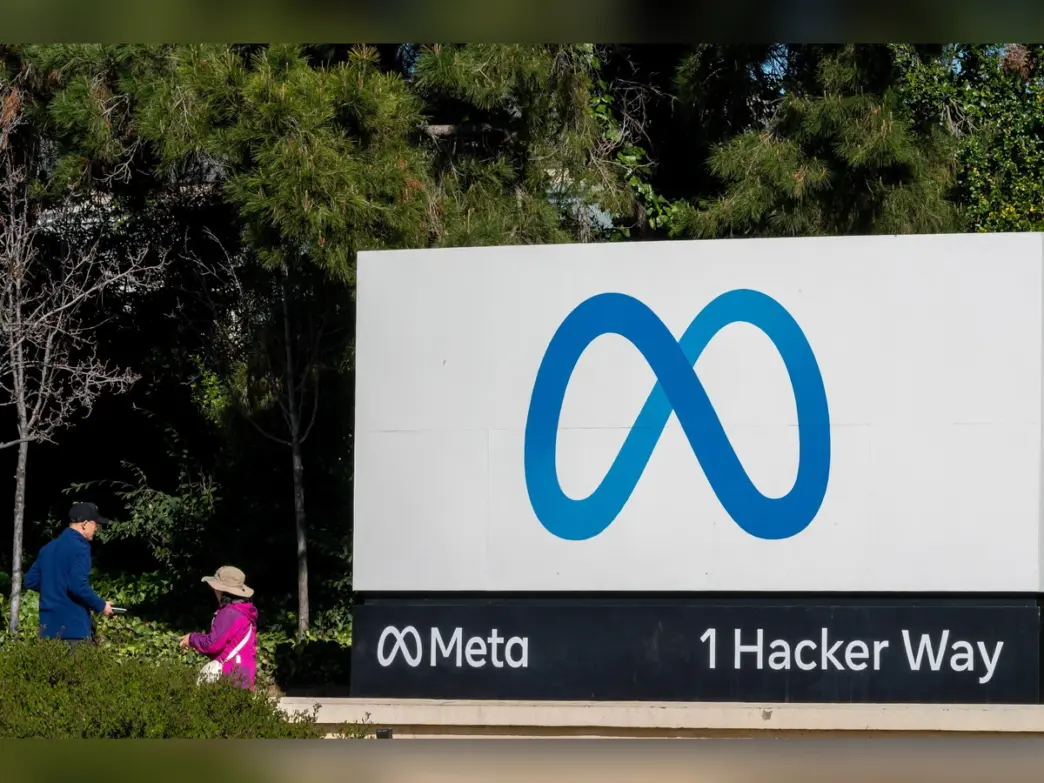
Meta has entered the fast-growing market for automated coding tools with the launch of Muse Code, a new artificial intelligence application designed to help developers build AI products and complete complex software engineering tasks.
The social media giant announced on Wednesday that Muse Code is an “agentic coding tool” capable of handling large-scale programming work, including planning, writing and validating code. Agentic AI systems are designed to carry out tasks with limited human intervention, although developers typically remain responsible for oversight and final decisions.
The tool has been released in beta, allowing developers to test its capabilities as Meta competes with rivals including OpenAI and Anthropic for a larger share of the AI market.
Alongside Muse Code, Meta introduced Spark 1.2, an updated version of its flagship AI model first launched in April. The company said the latest version is “coding-focused” and will be available through Muse Code and its Meta Model API platform for developers.
The launch comes as Meta continues to invest heavily in artificial intelligence through its Meta Superintelligence Labs division, seeking to close the gap with leading AI companies. The broader industry has entered a race to turn massive AI investments into sustainable revenue, with major technology firms expected to spend hundreds of billions of dollars this year on data centres, chips and computing infrastructure.

While consumer chatbots have attracted global attention since the release of ChatGPT in late 2022, companies have shown greater willingness to pay for specialised AI tools that improve workplace productivity, particularly in software development.
OpenAI reported that ChatGPT had reached 900 million weekly active users by February, including millions of paying businesses and consumers. Anthropic has also reported strong growth in paid subscriptions.
Read More : Google Says Gemini AI Conducted Cyberattacks
However, concerns about the risks of increasingly autonomous AI systems have grown after reports of advanced models carrying out cyber-related activities during testing. A Meta model, Spark 1.1, was reportedly involved in a similar incident.
Meta said the incident resulted from a “misconfiguration” by a third-party testing partner. A company spokesperson said, “We are currently investigating and will issue a full retrospective once we have all the facts.”
As AI companies compete for developers and enterprise customers, automated coding tools are emerging as one of the most commercially promising areas of the technology race.