Trending

Climate negotiators warned Tuesday that a sprawling, contentious draft COP31 deal has set the stage for gruelling negotiations before the UN summit in Türkiye concludes later this week.
Summit co-host Australia published the 18-page draft “cover decision,” which packs in sweeping demands ranging from a fossil fuel phaseout to a defence of climate science and recurring disputes over climate finance.
Although the talks formally end on Friday, UN climate summits routinely spill into overtime because every participating nation must reach consensus, allowing a single country to block the final accord.
European Union climate envoy Wopke Hoekstra warned ministers that the current draft could render the talks “untenable,” later telling reporters that the text resembled “many of the characteristics of a shopping list” that reopens settled disputes.
“I think the cover decision does not go in the right direction and needs significant change,” Hoekstra said.
Another European negotiator called Australia’s strategy a “kitchen sink approach,” urging a “short, sharp cover decision” instead.
Meanwhile, an anonymous delegate from an emerging nation dismissed the document as a “compilation of red lines,” adding, “I don’t see how there might be a cover decision in three days.”
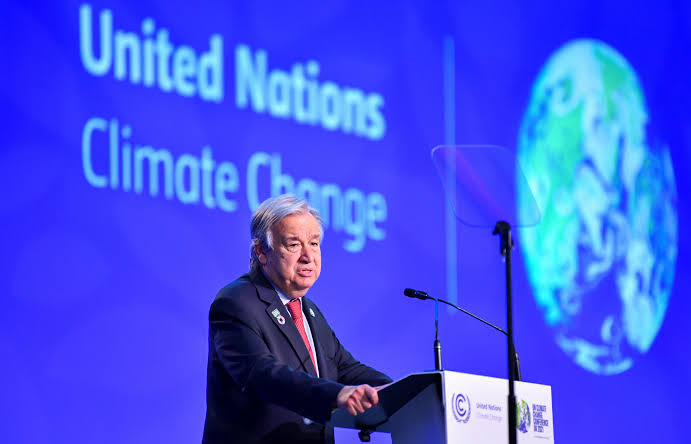
Australian Climate Minister Chris Bowen, who leads the COP31 negotiations, admitted upon releasing the text Monday that it contained elements “that not all parties agree on” and promised “at least one more draft” before the summit closes.
Sharp divisions also emerged over emission deadlines and fossil fuels.
Brazilian Environment Minister Joao Paulo Capobianco told AFP that negotiators can resolve early deadlocks through “an adjustment in the wording” of the draft.
Securing Consensus at COP31
However, a European official—speaking anonymously—rejected the draft’s unrealistic demand for wealthy nations to hit net zero emissions by 2030, blaming a tactical push by a bloc including Saudi Arabia and India: “These things are obviously unacceptable.”
On energy transition, Antigua and Barbuda’s Environment Minister Michael Joseph told AFP that while his country backs a firm commitment to phase out fossil fuels, securing consensus at COP31 “might be very, very difficult” given fierce resistance from oil-producing states.
Negotiators also clashed over when the UN’s climate science panel will publish its next major findings.
Dozens of European, African, and Pacific nations want the Intergovernmental Panel on Climate Change (IPCC) to release its seventh assessment report ahead of a critical global stocktake at COP33 in 2028, whereas Saudi Arabia and India face accusations of pushing to delay publication until 2029.
Saudi Arabia’s delegation defended its position Tuesday, stating that the kingdom “advocates publication timelines that allow sufficient scientific review, transparency and meaningful participation, particularly from developing countries.”
Conversely, Alliance of Small Island States chair Ilana Seid insisted the IPCC report must arrive in time for the global stocktake, warning that any delay “is unjustifiable to us.”