Trending

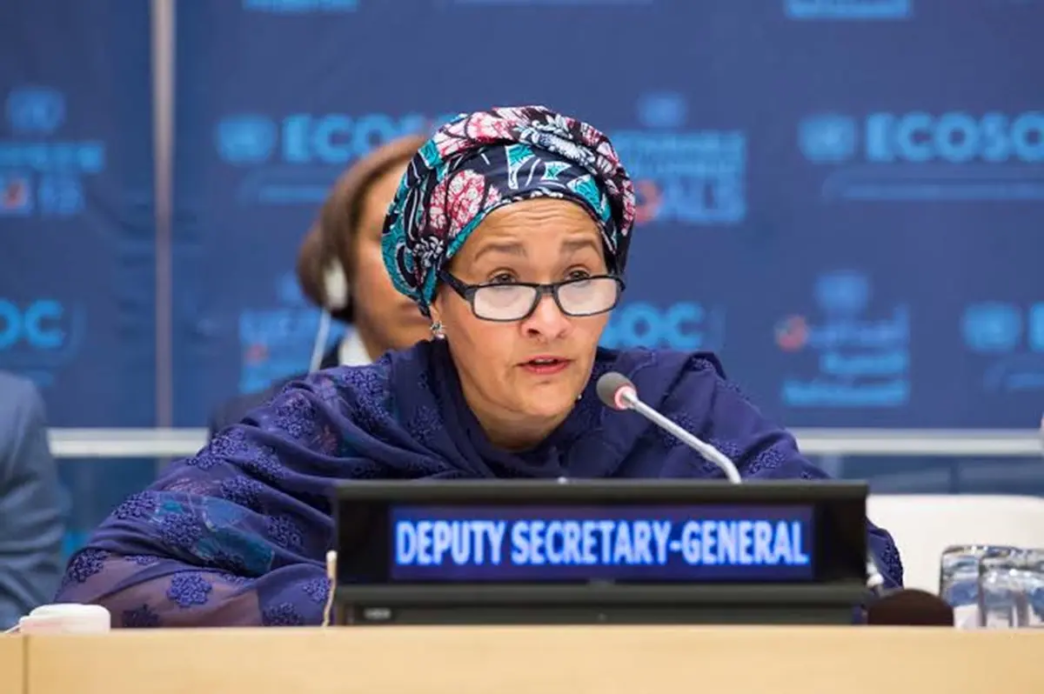
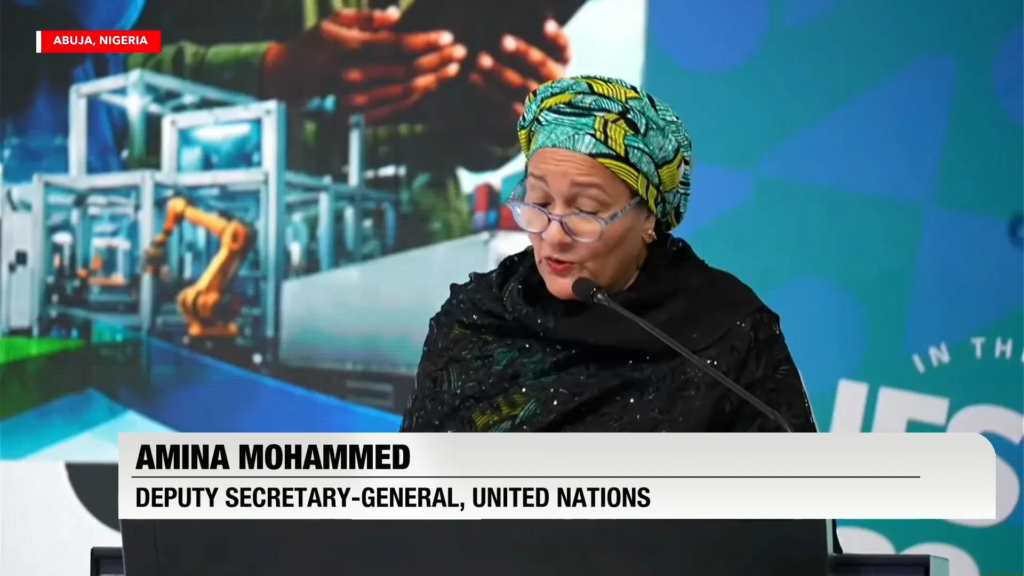
United Nations Deputy Secretary-General Amina J. Mohammed has challenged Nigerian leaders to move beyond decades of economic rhetoric and translate policy discussions into tangible improvements in citizens’ lives.
Mohammed noted growing fatigue among Nigerians who have heard the same economic promises for years.
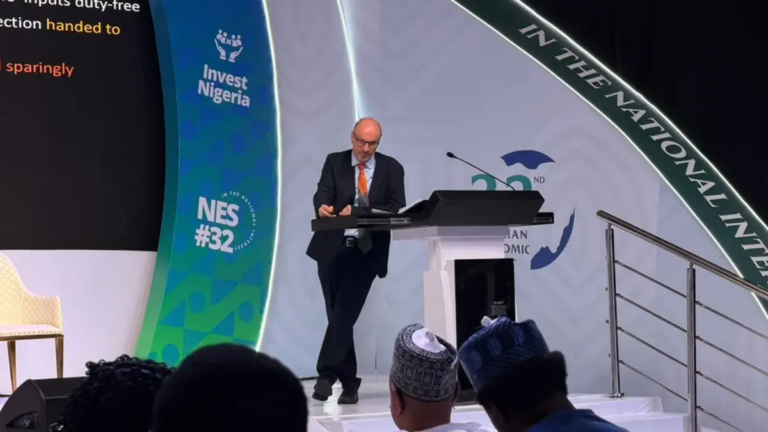
“We have also had the feeling that we’ve been here before, that in Nigeria we have been talking about these things for decades and everybody’s asking, so what’s different? “How much more grammar are we going to talk?” Mohammed said, speaking at the 32nd Nigerian Economic Summit in Abuja on Monday.
Read More : Shettima: Obi Has Nothing to Offer
She stressed that while nations must attend to economic fundamentals, including stable prices, sustainable public finances, a credible currency, and strong institutions, these are not “merely figures on a balance sheet.”
“Inflation will determine whether a parent can feed a family, the cost of credit determines whether an entrepreneur can expand, and reliable power determines whether a factory can employ another worker,” Mohammed said.
“Fiscal choices determine whether a child enters a classroom or remains outside of it.”
The UN deputy chief noted that governments must navigate difficult balances, spending enough to invest in their people without undermining debt sustainability, and protecting the vulnerable while building productive capacity.
She noted that these choices are especially difficult in a world of conflict, climate disruption, and volatile capital flows.
“Wealthier economies often have deeper capital markets, stronger safety nets and greater fiscal room to cushion the blow,” she said.
“Developing economies may face higher borrowing costs, exchange rate pressures, imported inflation and far narrower choices even when their people have contributed least to the crisis.”