Trending

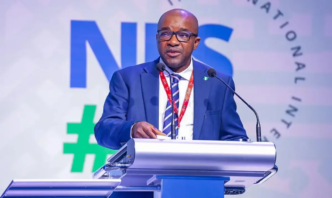
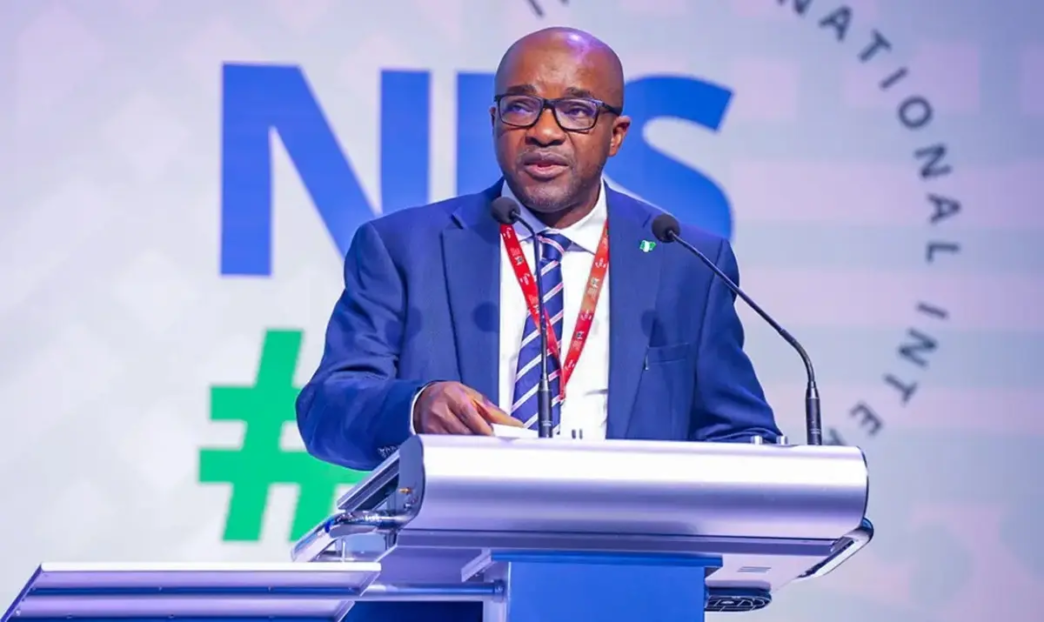
Nigeria must prioritise long-term investment in productive sectors and reduce the cost of doing business to sustain economic growth, Chairman of the Nigerian Economic Summit Group (NESG), Olaniyi Yusuf, has said.
Yusuf spoke at the ongoing 32nd Nigerian Economic Summit in Abuja, where he highlighted Nigeria’s foreign capital inflows, rising public debt and the need for reforms focused on productive investment.
Olaniyi Yusuf says Nigeria needs long-term investment in productive assets to drive economic transformation, calling for lower production costs, reliable infrastructure and more efficient public spending.
Read More : Wike’s Influence Is Not Grassroots- Epelle
#NES32 https://t.co/qnCESmvHjr
— News Central TV (@NewsCentralTV) October 26, 2026
“Nigeria attracted approximately $23.2 billion in foreign capital inflows so far in 2026, but dominated by portfolio investment, with foreign direct investment only a small proportion,” Yusuf said.
He noted that public debt had also increased, reaching approximately ₦166.79 trillion in June 2026, while debt servicing had moderated to about 50 per cent of federal revenue.
“However, we all know transformation requires patient capital and longer-term investment in productive assets,” he said.
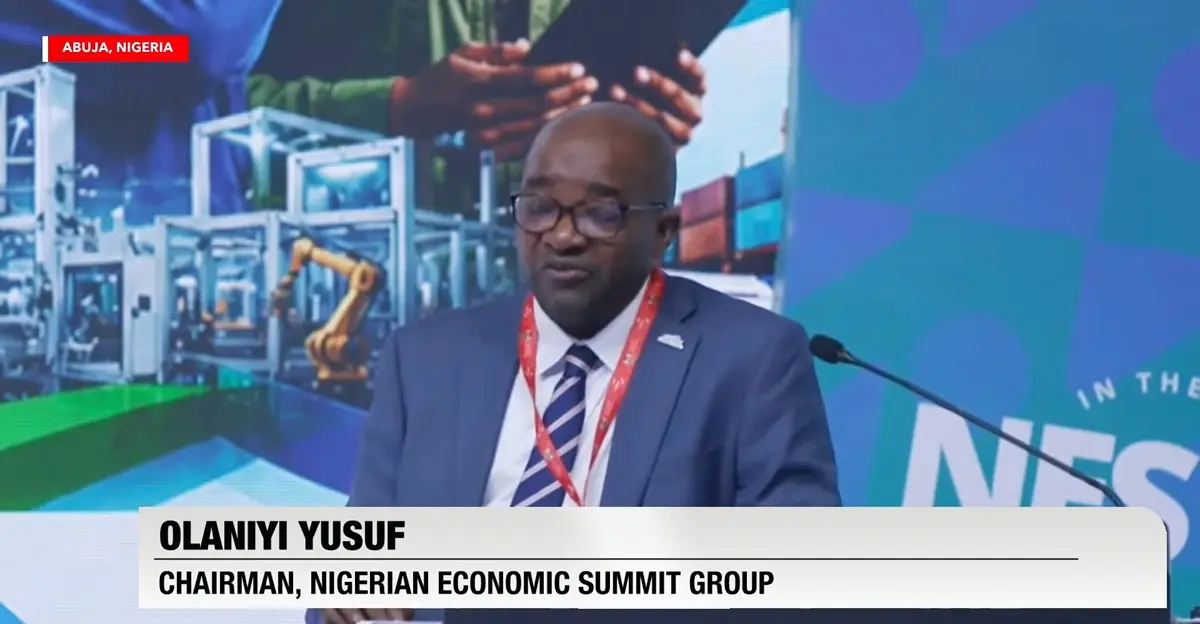
Yusuf called for the next phase of economic reforms to focus on lowering production costs, improving infrastructure and ensuring government spending delivers greater economic value.
“So the next phase of our reforms must prioritise lower production costs, reliable infrastructure, productive investment, and more effective public expenditure,” he said.
He also urged policymakers to address persistent challenges affecting Nigerians, including poverty, food insecurity and limited access to essential services.
“We also must confront poverty, food insecurity, and gaps in access to quality education, health care, nutrition, and productive work,” Yusuf said.
He said Nigeria must look beyond its past economic achievements and focus on building wealth for future generations.
Read More : Ebola: Bundibugyo Strain Shows No Early Symptoms
“We must not only talk about the fortunes of our past, but we also must build wealth for the present and future generations,” he said.
Yusuf also identified Nigeria’s large and youthful population as a major economic opportunity, but stressed that the country must equip young people with relevant skills and connect them to productive jobs.
“Job, skills, and shared prosperity. Nigeria’s large and youthful population is a substantial opportunity, but it only translates into prosperity only if we equip people with relevant skills and connect them to productive opportunities,” he said.